I remember the day my food processor went from a seldom-used kitchen appliance to my absolute culinary MVP. It started with a simple batch of hummus, and before I knew it, I was whipping up everything from pesto to pie crusts, amazed at what this humble machine could truly do. For years, it sat in my cupboard, emerging only for specific, often daunting tasks. But once I truly understood the full range of what can you do with a food processor, it transformed my entire approach to home cooking. If you own one, or are even just considering purchasing one, prepare to have your mind blown by its everyday utility and time-saving power.
The Culinary Swiss Army Knife: Endless Food Processor Uses
Let’s get down to the brass tacks: what can you do with a food processor? The answer, I’ve discovered over countless kitchen adventures, is quite a lot. It’s not just for chopping onions (though it does that beautifully!); it’s a true multi-tasker that can streamline nearly every step of your meal preparation. Think of it as your extra pair of incredibly fast, tireless hands in the kitchen.
1. Masterful Mincing, Chopping, and Dicing
This is probably the most common use, and for good reason. Say goodbye to watery eyes from onions, sticky garlic fingers, or endless chopping boards covered in herbs. Your food processor makes quick work of:
- Onions, Carrots, Celery: For mirepoix or soffritto, it’s a game-changer. Just quarter them and pulse.
- Garlic and Ginger: A few pulses transform whole cloves or chunks into a fine mince.
- Herbs: Parsley, cilantro, basil – perfectly chopped for pestos (we’ll get to that!), salsas, or garnishes.
- Nuts: From coarsely chopped for toppings to ground for nut flours, it’s effortless.
The key here is the pulse function. A few quick taps give you control, preventing over-processing into a paste when you want a nice, even chop.
2. Effortless Shredding and Slicing
Forget the box grater or mandoline for many tasks! Most food processors come with reversible shredding and slicing discs that attach to the central spindle. This feature alone is worth its weight in gold for serious cooks, or even casual home chefs looking to save time on meal prep.
- Cheese: Grate blocks of cheddar, mozzarella, or Parmesan in seconds. Think about how much cheaper block cheese is than pre-shredded this pays for itself!
- Cabbage and Carrots: Perfect for coleslaw, salads, or adding to stir-fries.
- Potatoes: Whether for gratins, hash browns, or dauphinoise, uniform slices are a breeze.
- Zucchini and Cucumbers: Quickly slice for salads or chips.
This is where your food processor truly shines for bulk prep, like making a big batch of shredded vegetables for freezing or a large salad for a potluck. You will love how efficiently it operates.

3. Silky Smooth Pureeing and Blending
While blenders excel at liquid-heavy tasks, your food processor is a champion at creating thick, luxurious purées and blends, especially when you have less liquid.
- Hummus: My personal MVP-making recipe! Chickpeas, tahini, lemon juice, garlic – and in minutes, you have a creamy, homemade dip.
- Pesto: Basil, pine nuts, Parmesan, garlic, olive oil buzz it all together for vibrant, fresh pesto.
- Soups: Creamy vegetable soups (like butternut squash or tomato) can be pureed directly in the bowl after cooking (ensure it’s cooled slightly!).
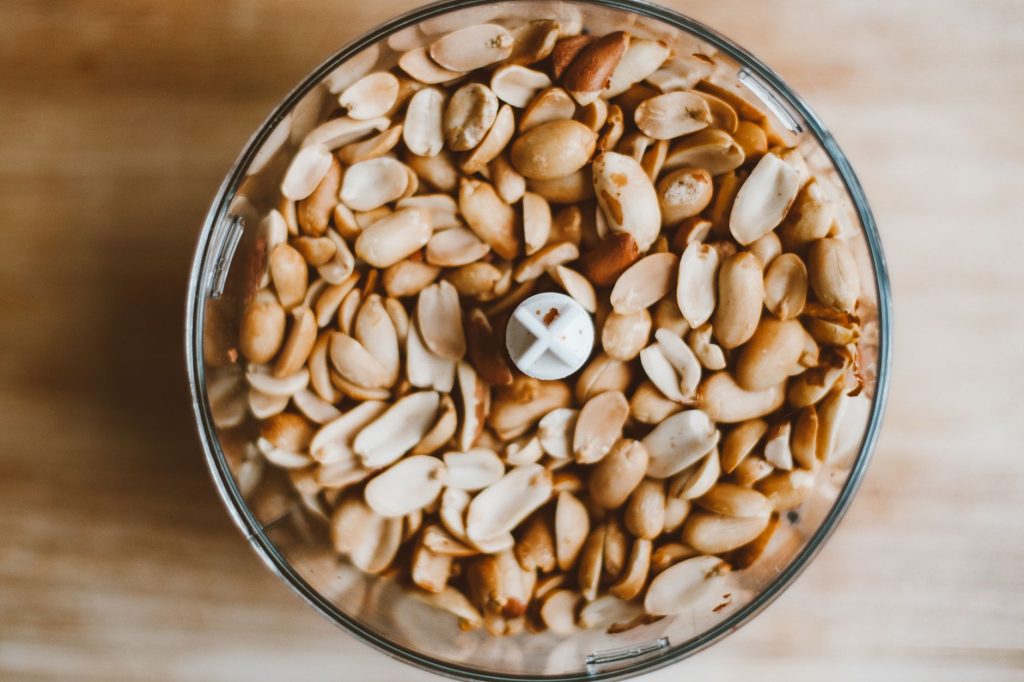
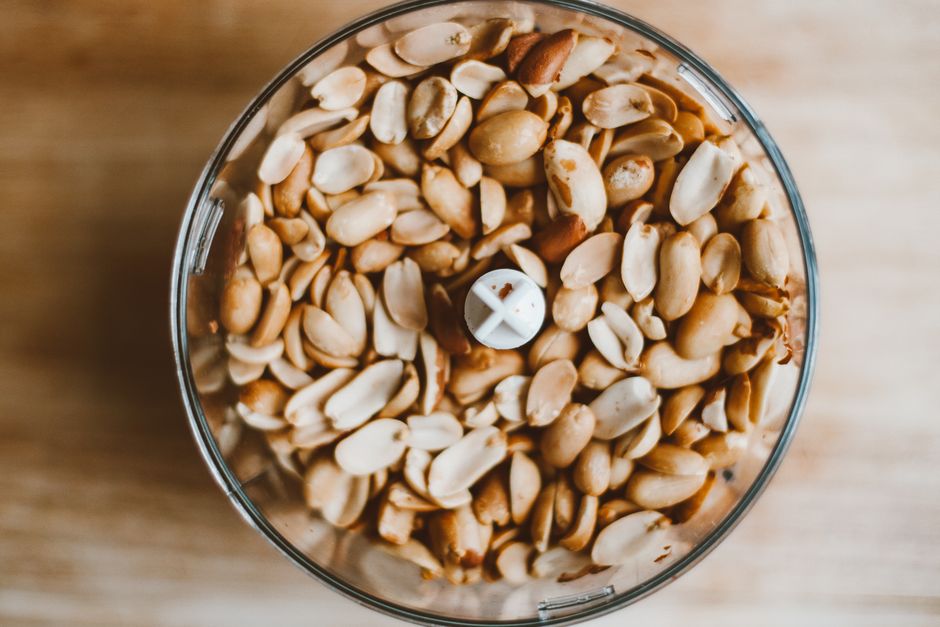
- Nut Butters: Transform roasted peanuts, almonds, or cashews into smooth, homemade nut butter – no added sugars or oils needed!
- Baby Food: An economical and healthy way to make fresh purees for infants.
- Salsas and Dips: From chunky pico de gallo to smooth bean dip, it’s incredibly versatile.
The powerful motor and sharp blade ensure a consistently smooth texture, making your homemade dips and sauces professional-grade.
4. Effortless Dough and Batter Making
If you’ve ever wrestled with sticky dough or dreaded making pie crust by hand, your food processor is about to become your best friend.
- Pie Crusts: This is a revelation! Cold butter, flour, a few pulses, and a little ice water yield a perfectly crumbly, tender dough in minutes, without overworking the gluten.
- Pizza Dough: Many recipes can be started or even finished in the food processor, bringing ingredients together quickly before a final knead.
- Cookie Dough: Especially for recipes like shortbread or even some drop cookies, it can cream butter and sugar or incorporate dry ingredients with ease.
- Quick Breads and Muffins: Mix dry ingredients, then add wet, for a quick and even blend.
This function truly saves time and mess, proving that what can you do with a food processor extends well beyond simple chopping. It’s fantastic for beginner bakers!
5. Perfect Emulsifying and Vinaigrettes
Achieving a stable emulsion, like mayonnaise or a vinaigrette, can be tricky. Your food processor makes it foolproof.
- Mayonnaise: Slowly drizzle oil through the feed tube into egg yolks and seasonings for incredibly fresh, homemade mayo.
- Vinaigrettes: Combine oil, vinegar, herbs, and spices, and pulse until emulsified. Far superior to store-bought dressings!
The controlled addition of liquid through the feed tube is key here, allowing for a gradual blend that results in a perfectly uniform mixture.

6. Grinding and Crushing
While a spice grinder or meat grinder is specialized, a food processor can handle many similar tasks.
- Breadcrumbs: Stale bread transforms into fresh breadcrumbs in seconds.
- Graham Cracker Crumbs: Essential for cheesecake crusts.
- Cookies and Crackers: For dessert crusts or savory coatings.
- Meat: You can coarsely grind small amounts of chicken, pork, or beef for homemade patties or meatballs. Just make sure it’s very cold and cut into uniform pieces.
- Spices: Whole spices can be ground, though a dedicated spice grinder will give a finer result.
This versatility further cements its status as a must-have kitchen gadget, making your meal prep more efficient.
7. Creative Icy Treats
Thanks to the power of a food processor, you’re not limited to just chopping and blending. You can create fantastic frozen desserts!
- Sorbet and “Nice” Cream: Frozen fruit (like bananas, berries, mangoes) can be processed into surprisingly creamy, healthy ice cream alternatives.
- Slushies and Granitas: Pulse ice with fruit juice or flavorings for refreshing icy drinks.
- Smoothie Bowls: Achieve that thick, spoonable consistency perfect for toppings, often a texture a regular blender struggles with unless you add a lot of liquid.
This is especially fun for families and a great way to use up overripe fruit.
Beyond the Basics: Maximizing Your Food Processor’s Potential
Now that we’ve covered the basics of what can you do with a food processor, let’s talk about how to get the absolute most out of yours. As someone who has spent years perfecting techniques, I can tell you a few insider secrets.
Understand the Blades and Discs
Most food processors come with a few essential tools:
- S-Blade (or Chopping Blade): This is your default. It handles most chopping, pureeing, mixing, and grinding tasks.
- Slicing Disc: For uniform slices of vegetables like cucumbers, potatoes, and carrots.
- Shredding Disc: For grating cheese, carrots, cabbage, etc. It often has coarse and fine sides.
- Dough Blade (Plastic): Some models include a plastic dough blade designed to mix dough without overworking it, though the S-blade often works just fine for many recipes.
Knowing which blade to use for which task is crucial. Don’t try to slice with the S-blade, and don’t try to puree with a slicing disc!
The Art of the Pulse
The **pulse function** is your best friend. It gives you control, allowing you to process ingredients in short bursts. This is vital for achieving desired textures – a coarse chop, a fine mince, or just bringing dough together without overmixing. Continuous processing is best reserved for smooth purees or emulsions. Get comfortable with pulsing, and you’ll prevent many kitchen mishaps.
Don’t Overload
Every food processor has a maximum fill line, usually for liquids and dry ingredients. Exceeding this can lead to uneven processing, leakage, or even damage to the motor. If you have a large batch, process in smaller quantities. This is particularly important for tasks like making homemade salsa or shredding large amounts of cabbage.
Size Matters
Food processors come in various sizes:
- Mini Food Processor (3-5 cups): Great for small tasks like chopping herbs, nuts, garlic, or making a small batch of dressing or baby food. Convenient for smaller kitchens.
- Mid-size (7-9 cups): A good all-rounder for everyday cooking for 2-4 people.
- Full-size (10-14 cups): Ideal for larger families, entertaining, or serious batch cooking and meal prep.
Consider your cooking habits. A 12-cup model is what I use most often, providing enough capacity without being overly bulky for my kitchen.
Safety First, Always
The blades are incredibly sharp. Always handle them with care, especially during assembly, disassembly, and cleaning. Use the pusher provided to feed ingredients through the feed tube – never your fingers or utensils. Ensure the lid is securely locked before operating.
Caring for Your Culinary Workhorse
Your food processor is an investment, and like any good tool, it deserves proper care. This ensures longevity and peak performance.
Cleaning Made Easy
Most bowls, lids, and blades are dishwasher-safe, typically on the top rack. However, for longevity, I often handwash the blades to protect their sharpness and prevent them from getting lost or damaged.
- Immediate Rinse: Rinse the bowl and blades immediately after use to prevent food from drying and sticking.
- Soak if Needed: For stubborn, dried-on food, a quick soak in warm, soapy water will do wonders.
- Brush it Out: A small brush (like a bottle brush or even an old toothbrush) can help clean tight crevices in the lid or around the S-blade.
- Wipe the Base: Never submerge the motor base in water. Wipe it clean with a damp cloth.
A clean food processor is a happy food processor, and it encourages you to use it more often.
Smart Storage
Keep your blades and discs organized. Many food processors come with storage cases or containers for these accessories. If not, consider a small, sturdy container to keep them together and prevent them from getting lost or damaged in a drawer. Store the motor base in an easily accessible spot if you use it frequently, or in a cupboard if space is a premium.
Troubleshooting Common Issues
- Food not chopping evenly: You might be overloading it, or the pieces you’re adding are too large. Cut ingredients into uniform, smaller chunks and process in batches. Use the pulse function!
- Liquid leaking: Check that the bowl is properly seated and the lid is securely locked. Don’t exceed the liquid fill line.
- Motor struggling: This usually means you’re trying to process something too hard (like ice without enough liquid, or large chunks of very dense food) or you’ve overloaded it. Reduce the load or add more liquid.
Most issues with a food processor are user-error related and easily fixed with a little attention to the instructions.
Can I make smoothies in a food processor?
Yes, you can make smoothies in a food processor, especially thicker smoothie bowls or those with less liquid. While blenders are typically better for very smooth, liquid-heavy drinks, a food processor can handle frozen fruit and a small amount of liquid to create a creamy, spoonable consistency. Just be mindful of the liquid capacity and ensure you’re not overfilling, or you risk leaks.
What’s the difference between a food processor and a blender?
The main difference lies in their primary function and blade design. A blender is designed for liquids, creating smooth purees and drinks, often with a powerful vortex. A food processor, conversely, excels at solid and semi-solid ingredients like chopping, shredding, slicing, and making dough. Its wider bowl and various attachments offer more versatility for prep tasks, while a blender is best for beverages and very smooth soups.
How do I clean my food processor’s blades safely?
Always handle blades by the central plastic hub, never the sharp edges. Rinse them immediately after use to prevent food from drying on. Most blades are dishwasher safe on the top rack, but handwashing is recommended to preserve sharpness. Use a brush to get into crevices, and wear cut-resistant gloves if you’re particularly concerned. Never wipe the blade edge with a sponge or cloth.
What size food processor do I need for my kitchen?
The ideal size depends on your cooking habits and household size. A mini food processor (3-5 cups) is great for singles or small tasks. A mid-size (7-9 cups) is versatile for couples or small families. A full-size (10-14 cups) is best for larger families, entertaining, or extensive meal prepping. If in doubt, a 9-12 cup model often offers the best balance of capacity and counter footprint.
Is a food processor worth the investment for a beginner cook?
Absolutely! For a beginner, a food processor is an invaluable tool that significantly reduces prep time and makes complex tasks, like making dough or shredding vegetables, much less intimidating. It opens up a world of recipes that might otherwise seem too time-consuming, encouraging more home cooking and experimentation. It truly makes healthy, homemade meals more accessible.
My Final Verdict
If you’ve been on the fence about getting a food processor, or if yours has been gathering dust in the back of a cupboard, I hope this guide has convinced you of its immense value. Understanding what can you do with a food processor truly changes your kitchen game. From the humble hummus that started my own love affair with this appliance to batch prepping vegetables for the week, making homemade pesto, or even whipping up a quick pie crust, its versatility is unmatched. It’s not just a convenience; it’s a genuine time-saver and a culinary enabler, especially for those looking for quick and easy recipes or aiming to eat healthier at home. Invest in a good quality machine, learn to use its various blades and functions, and you’ll find it quickly becomes one of the most indispensable tools in your kitchen. It certainly has for me, allowing me to explore new recipes and techniques with confidence and speed. Learn more about food processor safety and usage from reliable sources like the FDA to ensure safe and efficient cooking practices.