Ever stared at your machine while it gurgles and wondered what’s actually happening inside that plastic shell? Understanding coffee maker parts is the first step to mastering your morning brew and fixing small issues before they ruin your day. From my years of testing gear, I’ve found that knowing your machine’s anatomy makes you a more confident home barista. Read on to discover what makes your brewer tick and how to pick the best setup for your kitchen.
What is a Coffee Maker for the home?
A home coffee maker is a small appliance built to brew fresh coffee with very little effort. In the USA, most people use a drip machine to make large pots for the whole family. These machines are designed to be simple so you can start them while you are still half-asleep. Knowing your home brewer helps you get the best taste every morning.
What is a Coffee Maker Called?
Most people just call it a coffee maker, but different styles have specific names. You might hear people talk about a “drip brewer,” a “pour-over,” or a “pod machine” like a Keurig. In my experience, using the right name helps when you are looking for spare parts or new filters. Each name tells you exactly how the machine handles your beans.
Coffee Maker Definition and Uses
The basic coffee maker definition and uses center on one goal: extracting flavor from beans using hot water. It takes the guesswork out of brewing by controlling the water heat and the flow. Whether you use it for a quick caffeine fix or a slow weekend treat, its main job is consistency. A good brewer turns a chore into a simple, automated habit.
Key Coffee Maker Parts You Should Know
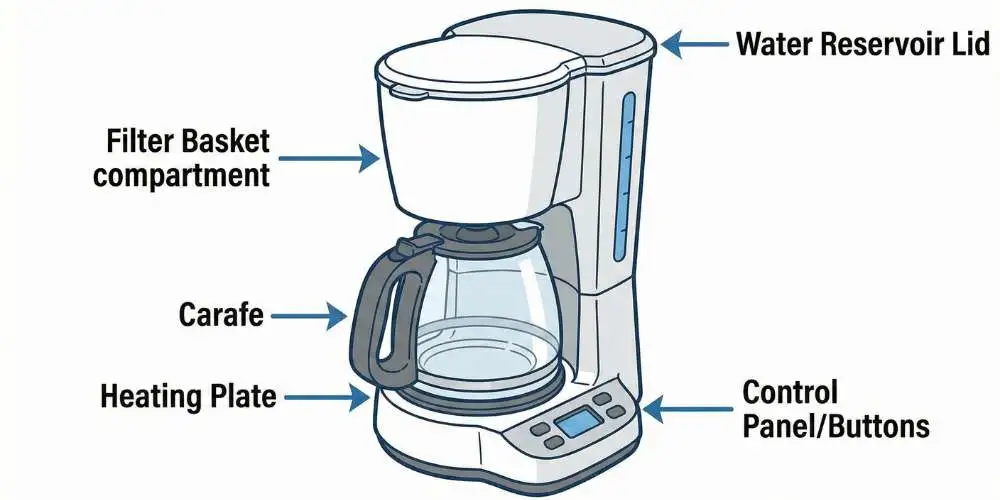
Knowing the main coffee maker parts makes it easy to keep your machine happy and clean. I once had a leak on a busy Monday because I didn’t check my reservoir seal. Here are the parts that do the heavy lifting:
- Water Reservoir: This is the tank that holds your fresh, cold water.
- Heating Element: A metal coil that turns cold water into hot steam.
- Filter Basket: The cradle where your paper filter and grounds sit.
- Showerhead: The part that sprays water evenly over the coffee.
- Carafe: The glass or thermal pot that catches the finished brew.
Understanding these components allows you to troubleshoot common brewing problems quickly.
What is a Professional Coffee Maker Called?
If you step into a busy American café, what you see is a “Professional Espresso Machine.” These are the heavy hitters that use high pressure to make lattes and cappuccinos. They are much larger and faster than the machines we use at home. Pros call them espresso machines because they focus on speed and intense flavor.
What Is a Coffee Maker?
If you’ve ever wanted coffee without the mess, waiting, or guesswork, a coffee maker is where you step in. It’s the bridge between a groggy morning and a productive day.
A Simple Definition (From One Coffee Lover to Another)
In the simplest terms, a coffee maker is a home appliance, either electric or manual, designed to handle the coffee brewing process for you. It works by passing hot water through ground coffee, extracting those rich oils and caffeine, and filtering out the gritty bits so you don’t have to.
I remember my first “real” adult Tuesday at my first office job. I was exhausted, staring at a complex-looking machine in the breakroom. Once I figured out that its main purpose was to make consistent coffee without me having to stand over a stove with a thermometer, I was hooked. It’s about taking the manual effort out of the equation so you can focus on waking up.
Who exactly is using these things? Almost everyone:
- Homes: For our precious morning routines (I personally can’t speak to humans until that first drip finishes).
- Offices: Acting as the “daily productivity fuel” that keeps teams moving.
- Cafés & Small Shops: Using larger versions for batch brewing to serve crowds quickly.
For many people—myself included—the coffee maker isn’t just a luxury; it’s the reason mornings feel human again. There’s a specific comfort in hearing that low hum and smelling the steam rise while the house is still quiet.
| Feature | What It Means for You |
| Simplicity | You push a button; it does the math. |
| Speed | Faster than boiling a pot and straining by hand. |
| Reliability | Your Tuesday coffee tastes just like your Monday coffee. |

Why Coffee Makers Were Invented (A Quick Background)
Before coffee makers, making coffee took time, tools, and patience, something busy people didn’t always have.
I once tried to brew a cup manually during a power outage on a cold, rainy Tuesday. I was boiling water in a pan and trying to strain it through a paper towel. It was a total mess, and the coffee tasted like a burnt campfire. That morning made me realize how much we used to struggle. In the early days, every cup was a gamble. You had to boil, strain, and guess the timing perfectly.
The modern coffee maker was created to solve these exact headaches. Inventors saw that we needed a way to get the same great taste every single morning without the drama. They were designed to:
- Save Time: You can start the machine and walk away to get dressed.
- Improve Consistency: It uses the same heat and water flow every time.
- Reduce Human Error: The machine doesn’t get distracted by a phone call or a crying toddler.
Over time, these handy machines replaced manual brewing in our homes and offices. Turns out, people wanted coffee before thinking too much in the morning. It’s much easier to press a glowing button than to play chemist at 6:00 AM.
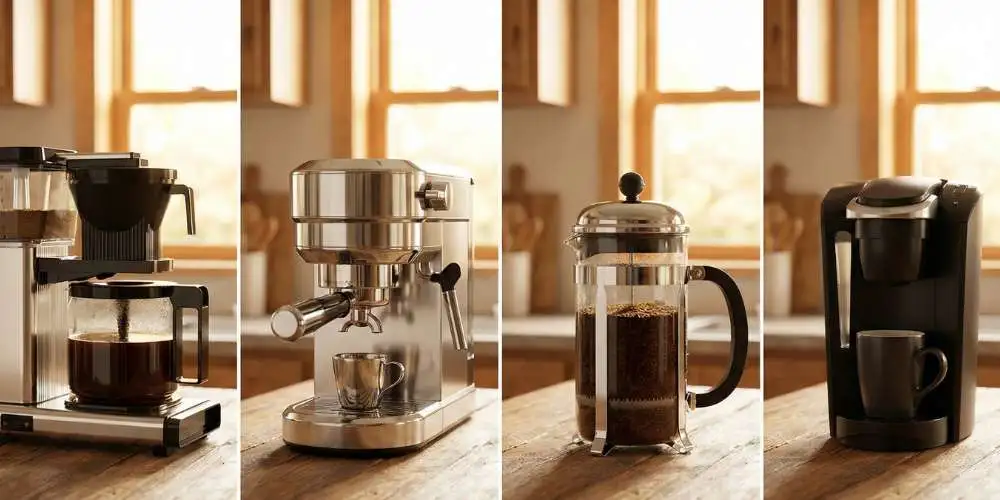
Types of Coffee Makers
Not all coffee makers work the same and that’s a good thing. Different people have different coffee habits, and choosing the right one is like picking a good pair of shoes. It has to fit your life.
Drip Coffee Maker
This is the classic machine you see in most kitchens. It works by dripping hot water over a basket of coffee grounds. I rely on mine every Monday through Friday. It’s simple, consistent, and doesn’t use any pressure, just good old gravity. It makes a large pot, which is great if you drink more than one cup before noon (like I do).
Espresso Machine
If you want something strong and concentrated, this is it. These machines force hot water through very fine grounds using high pressure. I treated myself to a small one last year for my Saturday morning lattes. The taste is much richer than a drip machine, and you get that nice foamy layer on top called crema.
French Press
The French press is a manual way to brew. You let the grounds sit in hot water and then push a metal screen (the plunger) down. It’s my go-to for slow Sunday mornings. Since there is no paper filter, more of the bean’s natural oils stay in your cup. It’s bold, a bit heavy, and feels very “hands-on.” Plus, it needs no electricity!
Single-Serve / Pod Coffee Maker
These use small plastic pods or “K-Cups.” They are built for speed and zero mess. On days when I am running late for a meeting, this is a lifesaver. There is no measuring or grinding involved. You just pop in a pod, hit a button, and you’re done. It’s the ultimate tool for convenience, even if it offers less control over the flavor.
Percolator
This is an old-school way to brew that you might remember from your grandparents’ house. It recirculates boiling water through the grounds until the coffee is very strong. It makes a distinct “perking” sound that I find quite nostalgic. It’s great for people who like their coffee very hot and very robust.
How a Coffee Maker Works (Step by Step)
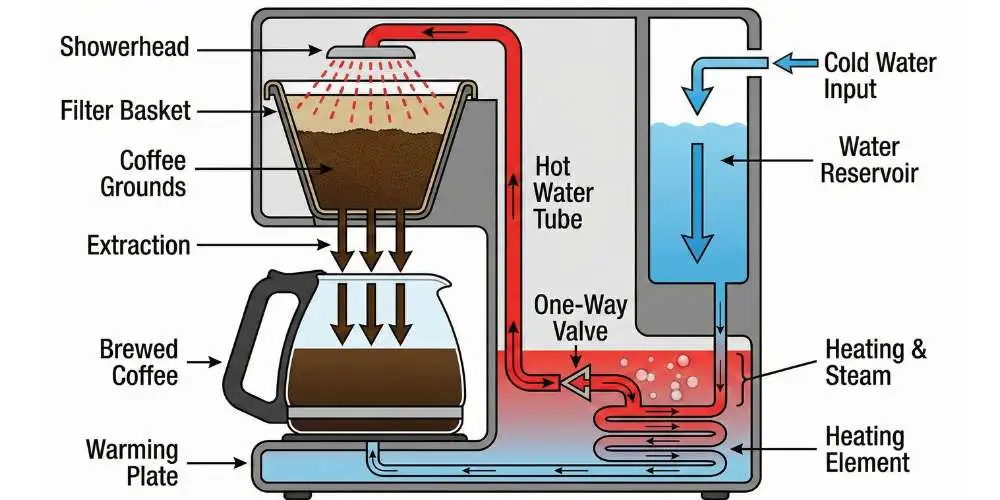
At its core, a coffee maker follows a simple process heat, flow, extract, and collect. I used to think my machine was magic. I’d hear a few clicks and pops, and suddenly, coffee appeared. But once I peeked inside, I realized it’s a neat little science project happening right on my counter.
Here is the journey from cold water to your favorite mug:
- Water Reservoir Filling: It starts with you. On a foggy Wednesday morning, I pour fresh, cold water into the tank. This is the “fuel” for your brew.
- Heating Element Activates: When you hit the switch, a metal coil at the bottom gets very hot. It’s like a tiny stove inside the machine.
- Water Flow (Pressure or Gravity): This is my favorite part. As the water boils in the tube, bubbles form and push the hot water up a pipe. That quiet bubbling sound? That’s flavor being born. It sounds like a small, happy dragon waking up.
- Coffee Extraction: The hot water reaches the top and rains down on your ground coffee. It soaks the beans and pulls out all the caffeine and tasty oils.
- Filtration: The dark liquid passes through a paper or metal filter. This is vital because it keeps the gritty “mud” out of your drink.
- Coffee Collection: Finally, the finished brew drips into the carafe. I once forgot to put the carafe in place before starting—that was a sticky lesson I only learned once!
The whole process usually takes less than five minutes, which is just enough time for me to find a clean pair of socks. It’s a reliable dance of heat and water that turns a sleepy morning into a productive one.
Key Parts of a Coffee Maker and What They Do
Knowing the parts of your coffee maker helps you understand both performance and problems. Last year, my machine started making a loud clicking sound on a quiet Sunday morning. Because I knew what was under the hood, I realized the filter basket wasn’t seated right. It saved me a lot of stress (and a lot of money).
Think of your machine as a small factory. Every part has one specific job to do:
- Water Reservoir: This is the plastic or glass tank. It holds the cold water before the brewing starts. It’s basically the “fuel tank” of your home appliance.
- Heating Element: Hidden inside the base, this metal coil gets very hot. Its only job is to turn that cold water into the perfect hot water for extraction.
- Pump: You usually find these in espresso or pod machines. They provide the “muscle” to push water through the ground coffee at high pressure.
- Filter Basket: This is the “cradle” where the magic happens. It holds your filter and your coffee grounds in place while the water rains down.
- Carafe / Cup Outlet: This is the finish line. Whether it’s a glass pot or a small nozzle, this is where the coffee finally lands.
- Control Panel: These are the brains. It can be a simple “On/Off” flip or a fancy screen with timers. I love the ones with a “delay start” button—it feels like a gift from my past self every morning.
| Part | Role | Why it Matters |
| Reservoir | Holds water | You can’t brew without fuel. |
| Heater | Boils water | Cold coffee is just sad bean juice. |
| Filter Basket | Holds grounds | Keeps your drink smooth and grit-free. |
| Control Panel | Commands | Lets you tell the machine what to do. |
How Different Coffee Makers Work Differently
All these machines have the same goal. They want to give you a great cup of coffee. But the way they get there is very different. I’ve spent years testing these gadgets in my own kitchen, and I’ve realized that the “how” changes everything from the taste to how much work you have to do.
Drip vs. Espresso: Gravity vs. Pressure
This is the biggest split in the world of coffee brewing.
- Drip machines are gentle. They rely on gravity. Hot water simply falls over the grounds. It’s like a slow rain shower.
- Espresso machines are intense. They use a pump to create massive pressure. It’s more like a power washer for your coffee beans.
I once tried to make a “strong” cup in my drip machine by adding four extra scoops. It just tasted like bitter dirt. If you want that thick, punchy flavor, you need the pressure that only an espresso machine provides.
Manual vs. Automatic: Control vs. Convenience
I love my automatic brewer on a frantic Monday morning. I can barely see, so I just want to push a button and walk away. The machine handles the timing and the heat.
However, on a lazy Saturday, I always reach for my manual French press. With a manual maker, you are the boss. You decide exactly how long the water sits with the ground coffee. It takes more work, but the “soul” of the coffee feels much richer when you do it yourself.
Pod vs. Ground Coffee: Speed vs. Flexibility
Pod machines are the kings of speed. There is no mess to clean up. You just pop the pod in and go. But you are stuck with whatever is inside that plastic shell.
Using a machine that takes loose ground coffee gives you total freedom. Last Tuesday, I found a bag of blueberry-flavored beans at a local shop. I could never use those in a pod machine. It’s a trade-off: do you want a 30-second brew, or do you want to choose your own adventure?
| Comparison | The “Secret Sauce” | Best For… |
| Drip | Gravity / Flow | Easy mornings and big pots. |
| Espresso | High Pressure | Short, intense shots. |
| Manual | Your Own Hands | Slow days and bold flavors. |
| Pod | Pre-set Timers | Zero mess and fast exits. |
Common Coffee Maker Problems (And How They Affect Taste)
When coffee tastes “off,” the machine is often trying to tell you something. It isn’t just being grumpy; it’s usually a small setting or a cleaning issue that needs your attention.
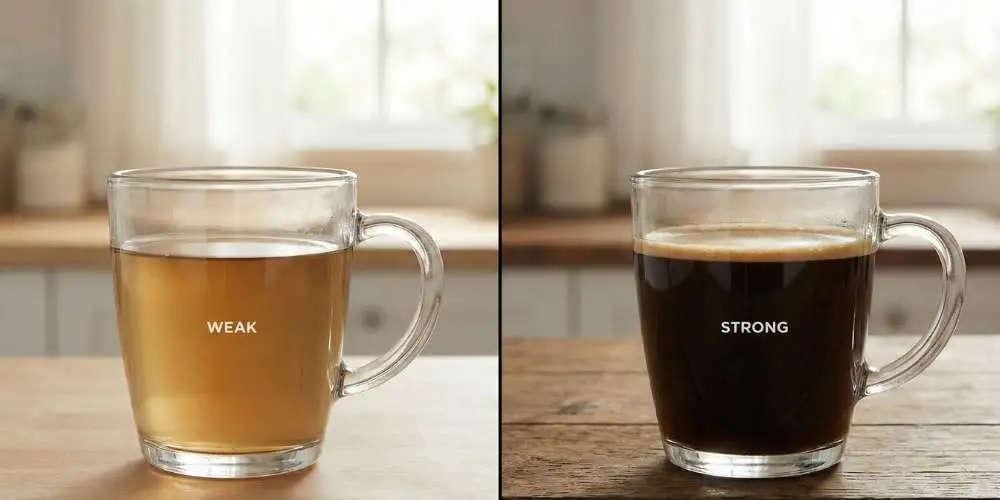
I had a rough wake-up call last Friday in my kitchen. I took a big sip of my fresh brew, and it was so bitter I nearly spit it out. It tasted like I was chewing on a burnt pencil. This usually happens when the water is way too hot or the machine is taking too long to drip. This leads to over-extraction, where the water pulls out the harsh, woody flavors you don’t actually want in your mug.
Other times, you might get the opposite problem: weak, watery coffee. It’s a sad sight when your morning drink looks more like thin tea than a bold roast. If this happens to you, check two things: your grind size and your coffee-to-water ratio. If the ground coffee is too chunky, the hot water just slides right past it without picking up any flavor.
Finally, if your coffee maker starts to leak or just won’t get hot, don’t panic. It’s often just mineral “scale” from your tap water clogging the pipes. It’s like a tiny cholesterol problem for your home appliance. A quick cleaning usually fixes the flow and brings the heat back to life.
| Problem | The Taste Result | The Likely Cause |
| Bitter | Sharp, burnt, or dry | Water too hot / Over-steeping |
| Weak | Thin, sour, or watery | Coarse grind / Not enough coffee |
| Lukewarm | Flat and cold | Mineral scale buildup |
Benefits of Using a Coffee Maker
Why do millions of us rely on a coffee maker every single day? For me, it boils down to one simple thing: sanity.
I have tried the manual route many times. On a busy Monday morning in my cramped kitchen, trying to weigh beans and time a pour is a recipe for disaster. Usually, I just end up with a mess on the floor and a headache. A reliable home appliance changes the game because it handles the hard parts for you.
- Consistent Taste: No more guessing. The machine uses the same amount of hot water and the same heat every time. Your Tuesday cup will taste just as good as your Sunday cup.
- Time-Saving: This is the biggest win. My favorite routine? Set the machine, go hop in the shower, and come back—the coffee is ready. It gives you back five minutes of your life when you need them most.
- Better Extraction: A good machine knows the science. It spreads water over the ground coffee evenly. This means you get more flavor and less waste than if you were just winging it with a kettle.
- Daily Convenience: It fits your life. Whether you need one quick cup for the road or a full pot for a long meeting, there is a machine built for that exact job.
Safety and Maintenance Basics
A clean coffee maker is a safer and better-tasting one. It also keeps your machine running for years instead of just months.
I learned this the hard way on a quiet Sunday afternoon in my kitchen. My brewer started making a weird, gasping sound. It was taking twenty minutes to make one small pot! When I looked into the tank, I saw a white, chalky crust. That was “scale” trying to kill my favorite home appliance.
Now, I follow a few simple rules to keep my morning routine smooth:
- Clean Regularly: I rinse the carafe and the filter basket after every single use. It takes ten seconds. This stops old, bitter oils from ruining your next fresh batch of ground coffee.
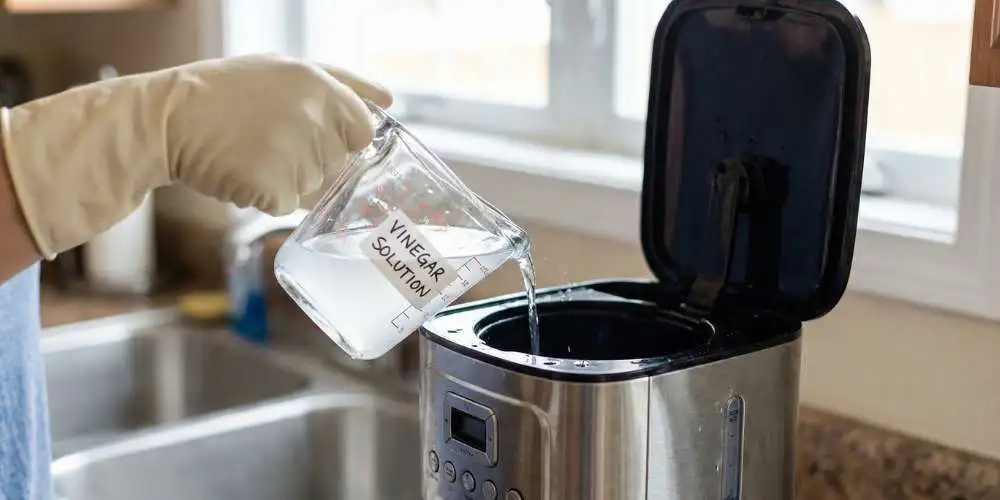
- Descale When Needed: Once a month, I run a mix of white vinegar and water through a brew cycle. It smells a bit sharp, but it clears out those mineral clogs. Your machine will sound quieter and brew much faster.
- Use Clean Water: I stopped using straight tap water. I use filtered water now. It tastes better and stops the “crusty” build-up from coming back so quickly.
- Use Proper Filters: Make sure your filter fits the basket. I once tried to fold a large filter into a small machine. It collapsed, and I ended up with a mug full of wet sand.
| Maintenance Task | How Often? | The Big Benefit |
| Rinse Basket | Daily | No old, stinky oil smells. |
| Wipe Exterior | Weekly | Keeps the kitchen looking sharp. |
| Full Descale | Monthly | Saves the heater from burning out. |
Taking care of your machine is easy. It’s a lot cheaper to buy a bottle of vinegar than it is to buy a whole new machine. If you treat it well, it will keep making your mornings feel human.
For more details, check out our guide on how to clean a coffee maker the right way.
Frequently Asked Questions About Coffee Makers
Quick answers to things people usually Google at midnight. I’ve definitely been there, sitting on my kitchen floor at 2:00 AM, wondering why my machine is making a weird wheezing sound.
Is a coffee maker easy for beginners?
Yes. Most are built for one-button use. When I got my first drip machine, I was worried I’d mess it up. But it’s very simple. You just add water, a filter, and your beans. If you can push a button, you can master coffee brewing in minutes.
Does a coffee maker need special coffee?
No. I use regular ground coffee from the grocery store. Most machines work with standard medium-grind beans. You don’t need a degree in science to pick a bag that tastes good! Just make sure it says “ground” and not “whole bean” unless you have a grinder at home.
How long does a coffee maker last?
Usually 3–5 years. I had a cheap model that lasted four years before the heater finally gave up. I felt a little sad when it died we had spent many early Mondays together. With proper care and regular cleaning, a good home appliance can stick around for a long time.
Does a coffee maker use a lot of electricity?
No. It only uses a lot of power when it’s making the hot water. Once the cycle is over, the power use drops to almost nothing. It’s a very small part of your monthly bill. You don’t have to worry about it running up the costs while you enjoy your morning.
Can I use tap water?
Yes, you can. But I found that filtered water makes a huge difference. It tastes cleaner and lets the flavor of the beans shine. Plus, it stops that white, crusty build-up from forming inside your machine. I noticed my coffee felt “brighter” once I stopped using tap water for my daily use routine.
Conclusion: Is a Coffee Maker Right for You?
A coffee maker is less about the drink. It is more about the comfort of knowing your morning is handled.
After years of testing different machines in my own kitchen, I have learned one big thing. A coffee maker is just a simple way to bring peace to your day. It takes the stress out of your daily use routine. You no longer have to guess or wait for a pot to boil. For me, that soft hum on a snowy Tuesday morning is the best sound in the world. It means my day is off to a good start.
So, is it right for you? It all depends on how you live. If you are always in a rush, a drip or pod machine is a lifesaver. If you love the craft of coffee brewing, a manual press might be your best bet. Whatever you choose, it should make your life easier, not harder. I know my life changed once I let my machine do the heavy lifting.
If you want to keep learning about these great tools, check out these next steps:
- Types of Coffee Makers: Find the perfect match for your taste.
- Buying Guide: Learn what to look for before you spend your money.
- Maintenance Tips: Keep your machine running like new for years.
FAQ: What is the best way to clean a coffee maker?
Ans: Rinse the parts daily. Use vinegar and water once a month to descale. This keeps your home appliance safe and ensures your drink tastes fresh. It is easy and fast!
FAQ: Can I use any ground coffee in my machine?
Ans: Yes! Most machines love a medium grind. Avoid very fine dust unless you have an espresso machine. Try a few different bags to find the flavor you like best today.
FAQ: Is coffee brewing better with filtered water?
Ans: Filtered water is best. It stops scale from building up in your machine. It also makes your coffee taste clean. Your coffee maker will thank you by lasting for years.
FAQ: How much power does a coffee maker use?
Ans: It uses power only to heat the water. This takes just a few minutes. Turn it off when done to save more energy. It is a very cheap way to get your daily fuel.
FAQ: Are pod machines good for beginners?
Ans: They are great! You just pop in a pod and press go. There is no mess to clean up. It is the fastest way to get a hot cup of coffee when you are in a big rush.