If you regularly make chunky sauces, pesto, or need to chop nuts and herbs before blending, a food processor is the better fit. Its wide bowl and pulse control let you control texture without turning everything into a puree. If you mostly want silky smooth sauces, emulsions, or hot purees straight from the pot, a high‑speed blender wins. It creates a vortex that pulls ingredients down, giving you a silkier finish in less time and handles hot liquids safely. Choose the processor for versatility and texture control; choose the blender for speed and smoothness. For most home cooks who make both rustic and refined sauces, having both is ideal, but if you must pick one, think about the texture you crave most often.
Picture a Wednesday evening. You’ve just browned ground beef for a Bolognese and need to whip up a quick tomato‑basil sauce. You reach for your food processor, toss in garlic, onions, and a handful of fresh basil, pulse a few times, and then pour the mixture into the pot. The result is a sauce with visible bits of herb and a rustic feel that clings to the pasta. The next night you decide to make a silky hollandaise for eggs benedict. You melt butter, whisk egg yolks, and then slowly stream in the hot butter while the blender runs on low. The emulsion stays thick and glossy without any separation. These two moments show why the choice between a food processor and a blender isn’t just about power; it’s about the texture you want, the steps you’re willing to take, and how much cleanup you’ll face after dinner. Understanding the real‑world differences will save you from buying a tool that sits idle while you struggle with the wrong appliance for the job.
Head-to-Head Comparison
| Factor | Food Processor | Blender |
|---|---|---|
| Price range | $50‑$400 (entry‑level to professional) | $30‑$500 (personal to high‑performance) |
| Best for | Chopping, shredding, coarse mixes, dough, pesto, chunky sauces | Smooth purees, emulsions, hot soups, smoothies, fine sauces |
| Heat distribution | Bowl stays cool; not designed for hot liquids | Jar can handle hot liquids if vented; some models rated for soup |
| Ease of cleaning | Multiple parts (bowl, lid, blade, pusher); dishwasher‑safe on many models | Usually jar, lid, blade base; many jars are dishwasher‑safe |
| Durability | Heavy‑duty motor, metal blades; can handle tough nuts and dough | Motor can burn out if overloaded with ice or thick mixes; jar may scratch |
| Learning curve | Low‑medium – need to learn pulse vs run, scraping sides | Low – just add ingredients and start; watch for over‑processing |
| Overall value | High if you need texture control and multiprep tasks | High if you prioritize smooth results and speed |

Deep Dive on Option A: Food Processor
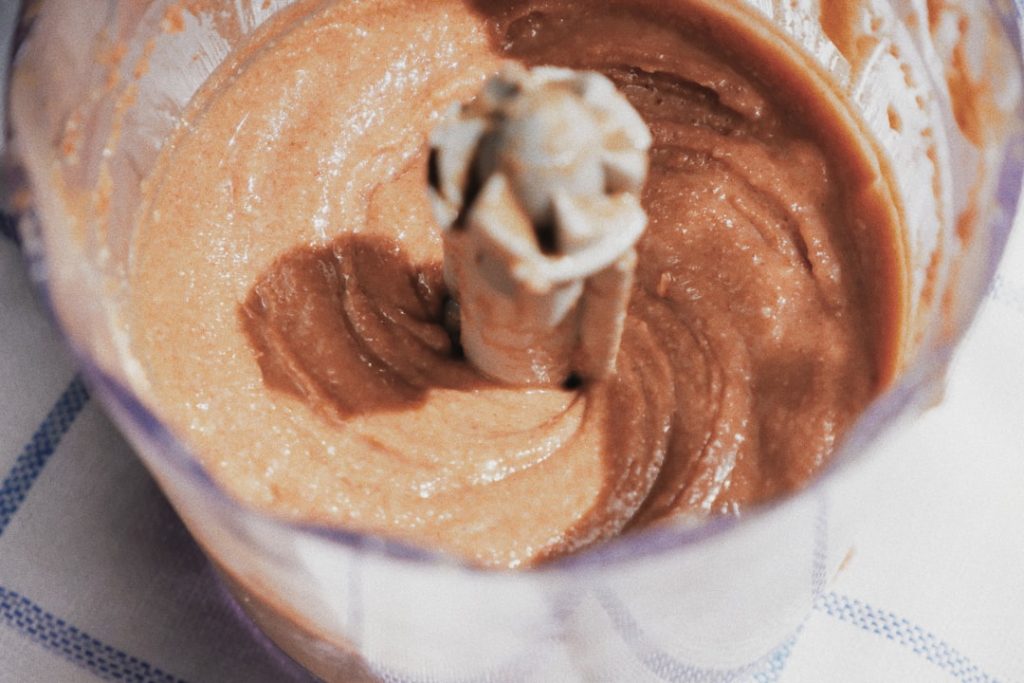
A food processor shines when you need to break down ingredients without turning them into liquid. The wide, flat bowl lets you scrape down the sides easily, and the pulse button gives you precise control over how fine or coarse the mixture becomes. For sauces like a chunky romesco, a fresh herb pesto, or a salsa where you want visible pieces of tomato and pepper, the processor delivers texture that a blender would obliterate.
Real‑world examples: The Cuisinart DFP‑14BCNY 14‑Cup Food Processor runs around $180 and features a sturdy metal blade, a large feed tube, and a dishwasher‑safe bowl. The KitchenAid KFP0718BM 7‑Cup Food Processor is about $130 and offers a compact footprint for smaller kitchens. Both models handle dough for pizza or pastry, a task that would stall most blenders.
Weaknesses appear when you aim for a perfectly smooth sauce. Because the blades sit flat and the bowl is wide, you often need to stop, scrape, and pulse again to avoid uneven bits. Hot liquids can be problematic; most processors are not rated for steaming soups, and the lid may vent poorly, causing pressure buildup. Cleaning can also be a chore there are more nooks, the pusher, and the feed tube that trap bits of food.
Who should choose a food processor? If you regularly make pesto, chop nuts for crusts, shred cheese, or need to mix dough, this tool earns its place on your counter. If you mostly want silky sauces and rarely deal with chunky prep, you might find the extra parts unnecessary.
Deep Dive on Option B: Blender
A high‑speed blender creates a vortex that pulls ingredients toward the blade, producing a uniformly smooth result that is hard to achieve with any other appliance. For sauces that require emulsification like aioli, vinaigrette, or cheese sauce the blender’s speed stabilizes the mixture in seconds. Hot purees such as roasted red pepper soup or butternut squash bisque can be blended directly in the jar, saving you a transfer step and reducing dishes.
Consider the Vitamix 5200, priced around $450, which offers a 2‑horsepower motor, a BPA‑free jar, and variable speed control. The Ninja Professional BL610, at about $100, gives you 1000 watts and a large 72‑ounce jar, suitable for batch sauces. Both can crush ice and handle frozen fruit, showing versatility beyond sauces.
Limitations appear when you need texture. Running a blender on low will still puree herbs and garlic into a paste; there’s no easy way to leave small pieces. If you overload the jar with thick dough or large chunks of nuts, the motor can strain and overheat. The narrow jar also makes scraping difficult, so you often need to add a splash of liquid to get things moving, which can dilute a sauce unintentionally.
Who should choose a blender? If your sauce repertoire leans toward smooth purees, emulsions, or you like to make hot soups without transferring to another pot, the blender is the right pick. If you frequently need to chop or shred, you’ll find yourself reaching for a knife or a separate processor despite owning a blender.
Real Kitchen Performance
Last month I tested both appliances side by side while preparing a dinner party menu. First, I made a romesco sauce with roasted red peppers, almonds, garlic, and smoked paprika. In the food processor, I pulsed the almonds until they were coarse, added the peppers and garlic, and ran the machine on low while scraping the sides once. The final sauce had a pleasant crunch from the nuts and flecks of pepper that clung to the grilled shrimp. In the blender, I tried the same recipe: even on the lowest speed, the almonds turned into butter, the peppers became a puree, and the sauce lost all texture, resembling a thick dip rather than a sauce.
Next, I whipped up a classic béarnaise. I melted butter, combined egg yolks and tarragon vinegar in the blender jar, and started on medium while slowly drizzling in the hot butter. The emulsion formed quickly, stayed thick, and had a glossy sheen. Attempting the same in the food processor required constant scraping and still resulted in a slightly grainy texture because the blades couldn’t create the tight vortex needed for emulsification.
Cleanup differed as well. The food processor left batter in the feed tube and needed a brush to dislodge bits from the blade assembly. The blender jar simply went into the dishwasher, and the blade base rinsed clean under running water. When I made a large batch of tomato sauce for pasta, the blender’s ability to handle hot liquids meant I could puree the roasted tomatoes directly in the jar, then pour the sauce back into the pot — no extra bowl to wash.
These experiences taught me that the appliance you choose shapes not just the final texture but also the flow of your cooking process. If you value texture contrast and don’t mind extra washing, the food processor feels like a trusted sous‑chef. If you crave speed, smoothness, and the ability to go from pot to jar to table, the blender feels like a shortcut that still delivers restaurant‑quality results.

Use Case Breakdown
The Weekend Prepper – You spend Sundays chopping vegetables, making pesto, and portioning out sauces for the week. You also like to bake bread and need to mix dough occasionally. The food processor wins here because it handles nuts, herbs, and dough with ease, and its large bowl lets you process big batches in one go. A model like the Cuisinart 14‑Cup gives you room for a triple batch of pesto without stopping.
The Weeknight Sauce Enthusiast – You come home after work, want a silky pan sauce or a quick cheese sauce in under five minutes, and hate extra dishes. The blender wins because you can deglaze a pan, pour the liquid into the jar, add cheese or mustard, and blend on high for a smooth finish. The Vitamix 5200’s variable speed lets you temper hot liquids without splatter.
The Health‑Focused Smoothie Maker – You start each morning with a green smoothie and often make sauces for dinner that require a fine puree (e.g., roasted carrot‑ginger sauce). The blender wins for both tasks; its high speed breaks down fibrous greens and creates velvety sauces in one container, reducing the need to transfer between appliances.
The Minimalist Cook – You have limited counter space, a tight budget, and mostly make simple tomato or marinara sauces where a bit of texture is fine. In this case, a mid‑range food processor like the KitchenAid 7‑Cup offers enough power for chopping onions and garlic while still being able to puree tomatoes if you run it longer. You’ll sacrifice some silkiness but gain versatility for other prep tasks.
Can I put hot soup in a food processor?
Most food processors are not designed for hot liquids; the lid can trap steam and cause pressure to build, which may lead to leaks or spills. If you need to puree something hot, let it cool slightly or use a blender rated for hot soups.