Picture this: It’s Friday night, you’re juggling a packed schedule, and you finally decide to cook that fancy salmon dish you saw on Instagram. But halfway through, your knife slips, the fish tears instead of slicing cleanly, and suddenly your $15 kitchen knife from the discount bin feels woefully inadequate. Sound familiar?
That’s the moment I realized most home cooks overlook one critical kitchen investment: understanding the difference between forged and stamped knives isn’t just for chefs in white jackets it’s the secret to making weeknight dinners less frustrating and more enjoyable. Whether you’re chopping onions for soup or portioning chicken for meal prep, the type of knife you use affects everything from safety to flavor preservation.
In this article, I’ll break down exactly how forged and stamped knives differ, why one might be worth the splurge, and how to choose the right tool for your kitchen without getting lost in marketing jargon. By the end, you’ll know not just what makes a knife “good,” but how to pick one that actually works for your life.
Understanding Forged vs. Stamped Knives: The Basics
Let’s start with the fundamentals. When you hear terms like “forged” or “stamped,” they refer to entirely different manufacturing processes that directly impact a knife’s performance, durability, and price.
Forged Knives: The Traditional Approach
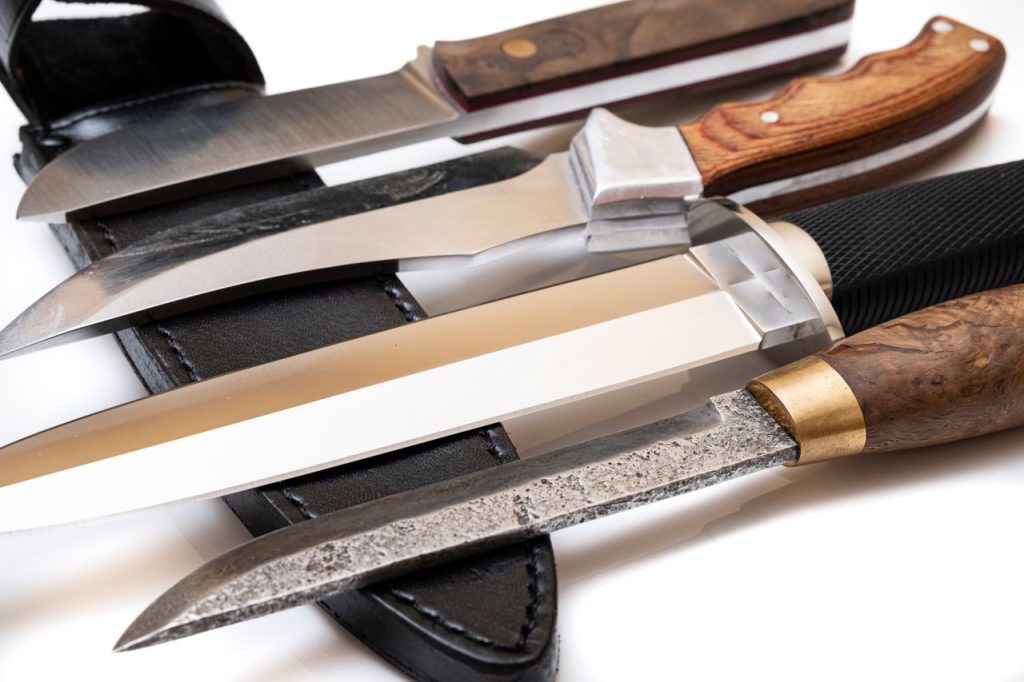
Forged knives are made using a centuries-old technique where a metal billet is heated to an orange-hot temperature and then hammered into shape. This process aligns the metal’s grain structure, creating a dense, uniform material that’s incredibly strong and responsive. Think of it like kneading dough: the more you work it, the tighter the gluten becomes, right?
Traditional Japanese knives like santoku or gyuto are often forged, as are premium Western brands like Wüsthof Classic or Shun Chef’s knives. The forging process isn’t just labor-intensive—it’s also expensive, which is why forged knives typically start around $100 and can easily top $300 depending on the steel and craftsmanship.
Here’s the kicker: forged knives aren’t just sturdy; they’re also incredibly sharp out of the box and hold an edge longer than stamped ones. If you’ve ever wondered why professional kitchens rely on high-end knives, it’s because forged blades reduce fatigue during long prep sessions and deliver precision cuts that preserve the texture of ingredients like herbs or tomatoes.
Stamped Knives: The Modern Alternative
Stamped knives, on the other hand, are made by cutting knife shapes from thin sheets of steel using a die and press. It’s faster, cheaper, and more scalable, which is why brands like Victorinox Fibrox or Mercer Culinary’s Genesis series use this method. These knives are everywhere from home kitchens to commercial prep lines because they offer solid performance at a fraction of the cost (often $20–$50 per knife).
But here’s where it gets nuanced: stamped knives aren’t inherently bad. They’re just different. Because they’re stamped from thinner steel, they’re lighter and more forgiving if you’re new to knife skills. However, they’re prone to warping over time if not cared for properly, and they often require more frequent sharpening. If you’ve ever owned a stamped knife that felt “dead” after a few months of use, you now know why.

How This Plays Out in Real Kitchens
Let’s talk about what this means when you’re actually cooking. I’ve tested both types in everything from rushed Tuesday-night stir-fries to slow-cooked weekend meals, and the differences become clear fast.
Forged Knives in Action
With my Wüsthof Classic 8-inch chef’s knife, I’ve sliced through a whole chicken, diced onions for a week’s worth of meals, and even carved a Thanksgiving turkey. The blade’s edge stayed sharp through it all, requiring honing maybe once a week instead of daily. That’s because the forging process creates a blade that’s not just hard but also flexible enough to absorb the shock of heavy chopping without chipping.
Japanese forged knives, like my Shun Premier santoku, excel at delicate work, think mincing garlic or slicing paper-thin cucumbers for a salad. The blade’s taper allows for smoother cuts, and the VG-MAX steel holds its edge even after hours of use. If you’re someone who takes pride in knife skills or cooks daily, forged knives pay off in both speed and safety.
Stamped Knives in Practice
On the flip side, my Victorinox Fibrox Pro 8-inch chef’s knife has been a workhorse for meal prep. It’s lighter, which my wrist appreciates during long sessions, and the budget-friendly price meant I could buy a full set without breaking the bank. However, I do notice it dulls faster. I had to resharpen it after just two months of regular use. Still, for occasional cooks or those on a tight budget, it’s more than capable.
Stamped knives also shine in commercial settings where knives get passed around quickly. If you’re feeding a family of four every night and don’t want to invest in a forged set right away, a stamped knife like the Mercer Culinary Swiss Classic is a no-brainer. Just know you’ll likely need to sharpen it more often.
What Most Home Cooks Get Wrong
Here’s where I’ll play the kitchen therapist for a second: I’ve seen (and made) every mistake in the book when it comes to knives. The biggest misconception? Thinking that price alone determines quality. A $200 stamped knife isn’t automatically better than a $100 forged one, and vice versa. It’s about matching the tool to your needs.
Another common pitfall is neglecting maintenance. Forged knives, especially those with high-carbon steel, require hand-washing and immediate drying to prevent rust. Stamped knives are often stainless steel, but they still need gentle cleaning. I’ve seen people toss a forged knife into the dishwasher because “it’s supposed to be tough,” only to find it pitted and warped months later.
Lastly, many home cooks assume all knives are created equal and buy based on looks alone. That pretty handle might look great in the box, but if the blade’s geometry (the angle and curve) doesn’t suit your cutting style, you’ll struggle. Trust me, I once bought a “designer” knife that looked like art but felt clunky in my grip it ended up in the junk drawer.

Pro Tips From the Kitchen
After years of swapping, testing, and swapping again, here are three tips that changed how I approach knives:
- Invest in one forged knife first. If you’re new to quality knives, start with a single 8-inch forged chef’s knife. Brands like J.A. Henckels International’s Forged Collection or Global offer excellent entry points. Use it daily for a month, and you’ll notice the difference in speed and precision. Once you’re hooked, expand your set.
- Learn to sharpen with a whetstone. Even the best knives lose their edge eventually. A basic 1000-grit whetstone costs under $20 and lasts forever. I’ll never forget the first time I sharpened my own knife—my salad prep went from sloppy to surgical overnight. If that sounds intimidating, check out our guide to using a whetstone for step-by-step instructions.
- Match the knife to the task. Forged knives excel at heavy-duty work, while stamped ones are great for quick jobs. Keep a paring knife (stamped or forged) for fruits and veggies, and a serrated bread knife for crusty loaves. Having the right tool for the job reduces wrist strain and improves results.
Speaking of kitchen tools, if you’re diving deeper into knife care, you might also want to explore how to clean food processor blades safely our guide on cleaning blades properly covers that.
Frequently Asked Questions
Can I use a forged knife for everyday cooking?
Absolutely. Forged knives are designed for daily use, and many professional chefs use them for everything from prep to plating. Just be sure to hand-wash and dry them promptly, especially if they’re high-carbon steel.
Do stamped knives rust easily?
Most stamped knives are made from stainless steel, which resists rust. However, if you neglect to dry them thoroughly after washing, water spots can develop. Avoid soaking them in water, and dry with a towel immediately.
Will a forged knife last forever?
With proper care, yes. High-quality forged knives can last decades some chefs pass them down through generations. Stamped knives typically last 5–10 years, depending on usage and maintenance.
Is it worth spending more on a forged knife if I cook occasionally?
If you cook a few times a week, a forged knife will make your life easier and safer. However, if you rarely cook, a well-maintained stamped knife will suffice. The key is matching the tool to your lifestyle.
How do I choose between forged and stamped if I’m on a budget?
Start with one good forged knife if possible; it’ll elevate every meal you make. If that’s not feasible, invest in a mid-range stamped knife (like the Victorinox Fibrox) and upgrade later. Remember, a dull knife is more dangerous than a sharp one!
Here’s what I want you to do this week: Grab one knife from your drawer and really pay attention to how it feels. Does it glide through an onion? Does it feel balanced in your hand? Now, imagine cooking with a blade that performs like a forged gem—wouldn’t that make your kitchen time more enjoyable?
If you’re ready to upgrade, start small. Pick one forged knife that fits your budget, learn to care for it properly, and notice the difference. If you’re still unsure, visit a local kitchen store and test a few models—many retailers let you handle knives before buying.
And hey, if you’re curious about other kitchen upgrades, I’ve got more guides on everything from how to descale your coffee maker to choosing the right food processor versus blender. Happy cooking!