
To descale a coffee maker at home, you need to dissolve the mineral buildup (limescale) inside the machine using an acidic solution. The most effective and cost-efficient way to do this is by using a mixture of white distilled vinegar and water. For most standard drip machines, use a 1:1 ratio of white vinegar to water. Pour the mixture into the water reservoir, run a brewing cycle (without coffee grounds), and then run two to three full cycles of plain, clean water to rinse out the vinegar smell and taste. If you prefer not to use vinegar, you can use a commercial citric acid-based descaler powder, which is often gentler on the heating elements.
I will walk you through exactly why your coffee might taste bitter or why your machine is brewing slowly, the science of why scale forms, and how to clean different types of machines without breaking them.
Why This Question Matters in the Kitchen
If your morning coffee has suddenly taken on a metallic or sour tang, or if your machine is making a loud, sputtering noise before it finally drips, you aren’t imagining things. You are likely dealing with limescale.
For a home cook, a neglected coffee maker is more than just a slow appliance; it is a threat to your daily ritual. Mineral buildup doesn’t just ruin the flavor of your coffee by introducing “off” notes; it physically restricts the flow of water and puts immense strain on the heating element. Eventually, a heavily scaled machine will simply stop working, turning a minor maintenance task into an expensive replacement. Understanding how to descale keeps your machine running for years and ensures that the coffee you drink actually tastes like the beans you paid for, rather than a mouthful of mineral deposits.
The Full Explanation: The Science of Scale
To understand how to fix the problem, you have to understand what the problem actually is. Water is a solvent, meaning it picks up minerals as it travels through your plumbing and into your machine. Even if your water looks clear and tastes fine, it contains dissolved minerals—primarily calcium and magnesium.
When these minerals are heated inside your coffee maker’s internal tubing and heating element, a chemical reaction occurs. The heat causes the dissolved calcium and magnesium to precipitate out of the water, turning into a hard, white, rock-like substance called calcium carbonate. This is limescale. Over time, this scale builds up in a thin, crusty layer on the walls of the internal tubes and the heating element.
This buildup creates two major problems:
- Thermal Inefficiency: Scale acts as an insulator. When calcium builds up on your heating element, that element has to work much harder and run much longer to heat the water because the scale is blocking the heat from reaching the water directly. This can lead to the heating element burning out prematurely.
- Flow Restriction: As the scale thickens, the diameter of the tubes inside your machine decreases. This is why you might notice your machine takes much longer to brew or that the water drips out in a weak, uneven stream.
When we “descale,” we are performing a chemical cleaning process. We introduce an acid (like the acetic acid in vinegar or citric acid in commercial cleaners) to the machine. The acid reacts with the calcium carbonate, breaking it down into a soluble form that can be flushed away with water.
Factors That Change the Answer
Not every coffee maker is built the same, and using the wrong cleaning method can sometimes do more harm than good. You must identify which type of machine you own before you start.
Drip Coffee Makers
These are your standard countertop machines with a glass carafe. They are generally very resilient and handle the vinegar-and-water method quite well. Because the internal paths are relatively simple, the acetic acid in vinegar is highly effective at breaking down mineral deposits.
Single-Serve Pod Machines (like Keurig or Nespresso)
These machines are much more sensitive. They use very narrow tubes to move water quickly through the pod. While many manufacturers state that vinegar is safe, some high-end brands actually recommend using only their proprietary descaling solution. This is because the high acidity of vinegar can, in some rare cases, affect the rubber gaskets or the specific plastic components used in these machines. If you use vinegar, be prepared to do extra rinse cycles to ensure no vinegar residue remains, as pod machines use less water for rinsing than drip machines.
Espresso Machines
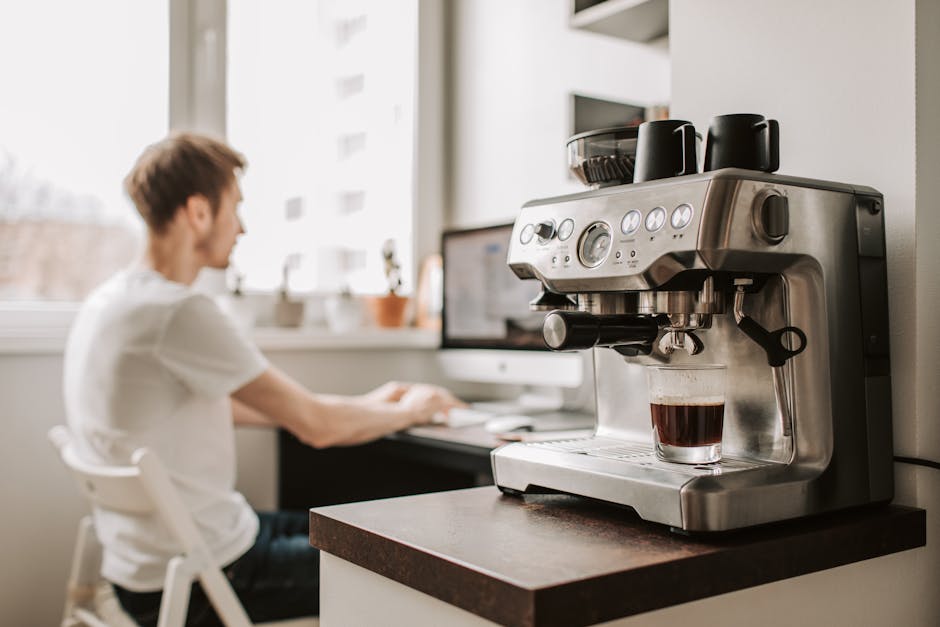
If you have a semi-automatic or a high-end home espresso machine (like a Breville or Gaggia), you must be much more careful. Espresso machines often use a boiler or a thermoblock that is sensitive to pH levels. Using too much vinegar can actually corrode the copper or brass components inside a high-end boiler. For these machines, I always recommend a dedicated citric acid-based descaler rather than vinegar.
The Water Quality Variable
The “hardness” of your water dictates how often you need to descale. If you use distilled or highly filtered water, you may only need to descale once a year. If you use well water or tap water from an area with hard water, you might need to do it every two to three months.
According to culinary science principles, the minerals in hard water don’t just affect the machine; they also interact with the coffee oils during extraction, which can lead to a muddy or overly bitter flavor profile seriouseats.com.

Step by Step: How to Descale a Standard Drip Machine
If you are looking at a standard drip machine, follow these steps to get it back to factory-new performance.
- Empty the machine. Make sure there are no coffee grounds in the basket and no old water left in the reservoir.
- Prepare the solution. Mix one part white distilled vinegar with one part water. Pour this into the water reservoir.
- Start the brew cycle. Turn the machine on and start a normal brew cycle.
- Pause the cycle halfway. This is the “pro” secret. About halfway through the cycle, turn the machine off (or pull the carafe away so it stops dripping) and let it sit for about 30 minutes. This allows the acidic solution to sit inside the heating element and “soak” the scale, breaking it down more effectively.
- Finish the brew. Turn the machine back on and let the rest of the mixture brew into the carafe.
- Discard the solution. Pour the vinegar-water mixture out of the carafe.
- The Rinse Cycle (Crucial). Fill the reservoir with plain, clean water. Run a full brew cycle.
- Repeat the rinse. Run at least two more full cycles with plain water. This ensures that the vinegar smell and the acidic taste are completely gone.
What Happens If You Get This Wrong
The most common mistake is forgetting the rinse cycles. If you descale your machine and then immediately brew a cup of coffee, your coffee will taste like a salad dressing. It’s not just a flavor issue; if you don’t rinse enough, the acidity remaining in the machine can eventually degrade the rubber seals inside.
Another common mistake is using “cleaning tablets” meant for washing machines or using harsh household cleaners like bleach. Never use bleach in a coffee maker. Bleach is a base, not an acid, so it won’t remove limescale, and it can react dangerously with other residues or damage the internal components. Additionally, according to FDA guidelines on food safety, it is vital to ensure that any substance used on food-contact surfaces is food-safe and thoroughly rinsed to prevent chemical contamination of your beverage.
FAQ
How often should I descale my coffee maker?
There is no one-size-fits-all answer, but a good rule of thumb is to descale every 3 to 6 months if you use tap water. If you notice the machine is brewing slower than usual or making louder noises, it’s time to descale immediately.
Can I use lemon juice instead of vinegar?
You can, because lemon juice is also acidic (citric acid), but it is much less efficient than vinegar or commercial descalers. Additionally, the organic sugars and particulates in fruit juice can leave a sticky residue inside the machine, which might actually cause more problems than it solves. Stick to white distilled vinegar.
Will descaling fix a leaking coffee maker?
Likely no. If your machine is leaking from the bottom, it usually means a seal has perished or a component has cracked due to age or heat stress. Descaling is for mineral buildup, not for repairing physical hardware failures.
Does using filtered water mean I never need to descale?
Not necessarily. While many water filters (like Brita) are excellent at reducing hardness by removing calcium and magnesium, they don’t remove everything. You should still monitor your machine’s performance and descale if you notice any changes in brewing speed or sound.
Is it safe to descale a machine that I haven’t used in months?
Yes, it is actually very important to descale a machine that has been sitting idle with water inside. Stagnant water can lead to biofilm and mold growth, in addition to mineral deposits.
Keep this in mind: a little bit of maintenance today saves you a whole new coffee maker tomorrow. Take twenty minutes this weekend to give your machine a deep clean, and your future self will thank you with every delicious, clean-tasting cup of coffee.

