Picture this: it’s a Tuesday morning, you’re shuffling into the kitchen half-awake, and you reach for that bag of coffee grounds you bought three months ago. You brew a pot, take that first sip, and something is just… off. Not moldy or weird, but flat. Lifeless. Like someone sucked all the joy out of your morning cup. Sound familiar?
You’re not alone. I’ve been there too, more times than I’d like to admit, during my early coffee-making days when I thought buying in bulk was a smart financial move. Spoiler alert: it wasn’t. That brings us to a question I hear all the time from home cooks, and it’s one worth answering properly because it affects both your morning ritual and your grocery budget.
So let’s talk about why coffee grounds actually expire, what that means for your daily brew, and what you can do about it. By the time you’re done reading, you’ll know exactly what’s happening in that bag of grounds and how to keep your coffee tasting as it should.
The Science Behind Coffee Freshness: What’s Actually Happening in That Bag
Here’s the thing most people don’t realize: coffee is a food, and like all foods, it degrades over time. But coffee’s deterioration is particularly dramatic because of what it actually contains.
When coffee beans are roasted, they develop hundreds of aromatic compounds and essential oils that give each blend its unique flavor profile. Those oils are little flavor powerhouses, and they’re surprisingly fragile. Once you grind those beans, you’ve just accelerated the expiration clock significantly.
Here’s why. Whole coffee beans have their flavors locked inside, protected by the bean itself. But when you grind coffee, you’re creating millions of tiny surfaces exposed to air. Think of it like chopping up an apple versus keeping it whole: the chopped pieces brown (oxidize) much faster because they’ve got more surface area touching the air. Coffee grounds work the same way, just with your sense of smell instead of your eyes.
The process that matters most is called oxidation. Oxygen molecules attack those delicate aromatic compounds in the oils, breaking them down into flatter, less interesting molecules. That’s why your morning brew loses that bright, complex flavor and becomes something sadder.
There’s also a chemical process called “outgassing” happening after roasting. Fresh coffee releases CO2 for several days after roasting — this is actually normal and healthy for the bean. But as this gas escapes, it takes some volatile aromatic compounds with it. In pre-ground coffee, this process happens even faster because of all that exposed surface area.
Moisture is another culprit. Coffee grounds are hygroscopic, meaning they absorb moisture from the air. This additional water speeds up the staling process and can even lead to mold growth if conditions are right. According to USDA food safety guidelines, keeping dry goods like coffee in cool, dry conditions helps prevent moisture-related degradation.
The bottom line is that ground coffee goes stale through a combination of oxidation, outgassing, and moisture absorption. These processes start the moment the beans are ground and continue until you’re left with something that tastes more like cardboard than the rich, complex beverage you paid for.

How Long Do Coffee Grounds Actually Last?
Now for the practical question: how long until your coffee grounds are actually “bad”?
For peak flavor, ground coffee is best used within one to two weeks of the roast date. This isn’t arbitrary; it’s based on how quickly those aromatic compounds degrade. After about two weeks, you’ll start noticing that flat, dull taste even if the coffee hasn’t technically “expired” in a food safety sense.
In terms of food safety, unopened ground coffee can last one to two years past its “best by” date if stored properly. The FDA doesn’t consider coffee a high-risk food for bacterial growth because it’s such a dry, low-moisture product. But here’s where it gets interesting even when coffee is technically safe to drink, it might not be worth drinking.
Let me break this down with a simple comparison:
| Condition | Timeframe | What to Expect |
|---|---|---|
| Peak freshness | 0-7 days after roasting | Maximum aroma and complex flavors |
| Good quality | 1-2 weeks after roasting | Still enjoyable, slight decline |
| Noticeable staleness | 2-4 weeks after roasting | Flat taste, muted aromas |
| Technically safe but poor | 1-2 months | Very flat, almost no flavor |
| Potentially unsafe | If exposed to moisture | Mold growth possible |
The roast date matters far more than the “best by” date printed on most bags. That printed date typically reflects when the coffee was packaged, not when it was roasted, and by the time it reaches your kitchen, weeks or even months may have passed. If you’re serious about your morning cup, buying from sources that print the roast date directly on the bag is worth the effort. Specialty coffee shops and quality grocery stores often do this, while many mass-market brands do not.
Whole bean coffee follows a similar timeline but moves much more slowly. Because the interior of the bean is still protected, whole beans can maintain decent flavor for three to four weeks after roasting, and some argue up to six weeks. But once you grind them, you’re on that accelerated one-to-two-week clock.
This is exactly why I recommend buying a decent burr grinder and purchasing whole beans whenever possible. Yes, it takes an extra minute in the morning. But the difference in flavor is genuinely night and day. If you’ve never tasted coffee ground fresh, you’re missing out on what the beverage can actually be.
Why Most Home Cooks Get This Wrong
The biggest mistake I see is treating coffee like it’s basically immortal. People see that “best by” date two years in the future and assume they can ignore freshness entirely. They stock up during sales, keep bags in warm cabinets above the stove, and wonder why their coffee never tastes quite right.
The second mistake is assuming the “best by” date has anything to do with when the coffee was actually roasted. It seldom does. Those dates are more about packaging and retail turnover than actual freshness. A bag might have been roasted six months before you bought it, then sit in a warehouse or on a store shelf for months more. By the time you brew it, you’re drinking stale coffee regardless of what the date says.
Another error is improper storage. A lot of people keep their coffee in the refrigerator or freezer, thinking it will stay fresher longer. I understand the logic: cold air slows chemical reactions, right? But refrigerators are humid environments, and all that moisture is exactly what your coffee doesn’t need. Freezing can work for whole beans if you do it right (completely airtight, only thaw once), but for most home kitchens, it’s more trouble than it’s worth. Just keep your coffee in a cool, dark, dry place in an airtight container.
Some folks also make the mistake of buying pre-ground coffee in bulk. I get it, it’s convenient, and you think you’re saving money. But you’re really just locking in staleness. Smaller quantities purchased more frequently will always taste better, and honestly, you’re not saving much money if you’re pouring half the bag down the drain because it’s gone flat.

Pro Tips From the Kitchen
Here are the things I wish someone had told me years ago about keeping coffee fresh:
Buy the whole bag only if you drink it within two weeks. If your household goes through a standard twelve-ounce bag in a week or less, great buy in bulk. But if that bag is going to sit on your counter for a month, you’re better off buying smaller quantities more often. Most grocery stores sell eight-ounce bags specifically for this reason, and they’re usually worth the slightly higher per-ounce price.
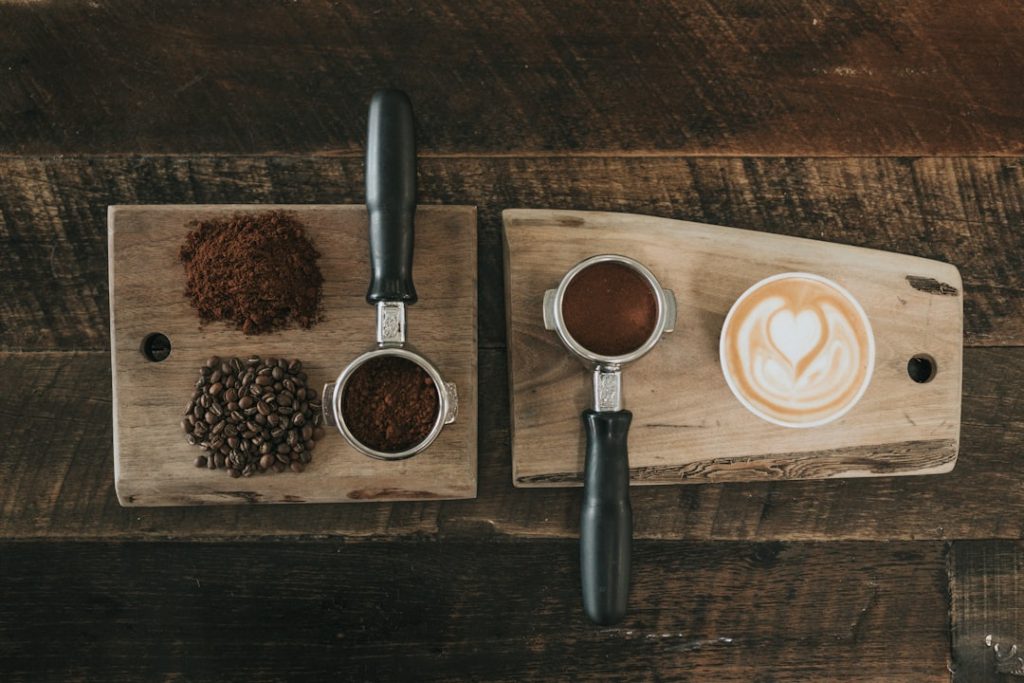
Invest in a good burr grinder. Blade grinders chop coffee unevenly, creating a mix of powder and chunks that extracts inconsistently. A burr grinder (I use a manual Hario Skerton that costs around thirty-five dollars and has lasted years) crushes beans uniformly, giving you better flavor AND letting you grind only what you need for each brew. Fresh-ground coffee from a decent grinder will taste better than any pre-ground option, period.
Store coffee in an airtight container away from heat. That pretty glass jar you keep on your counter might look nice, but if it’s near your stove or in direct sunlight, your coffee is cooking slowly. An opaque, airtight container in a cool cabinet is ideal. I use a simple Snapware container that costs less than ten dollars and keeps my beans protected from light and air.
Learn to recognize the signs of stale coffee. If your grounds have lost most of their aroma by the time you open the bag, that’s your first clue. If the brewed coffee tastes flat, woody, or papery instead of rich and complex, the coffee has passed its prime. If you see any clumping (moisture got in) or notice a musty smell, it’s time to say goodbye. Your coffee maker might also show signs if you’re dealing with bitter or off flavors; it could be your beans rather than your machine. I’ve written a whole guide on troubleshooting bitter coffee that might help you figure out what’s going on.
Frequently Asked Questions
Can coffee grounds make you sick?
In most cases, properly stored ground coffee won’t make you sick. It’s dry enough that bacterial growth is unlikely. However, if coffee gets damp or you see visible mold, throw it out. The bigger issue with old coffee isn’t food safety; it’s flavor. You’re more likely to be disappointed by terrible taste than to get actually sick from it.
Should I freeze my coffee grounds to keep them fresh longer?
Freezing isn’t necessary for most home kitchens and can actually cause problems if you don’t do it perfectly. Every time you take the bag in and out of the freezer, condensation forms on the grounds, introducing moisture. If you must freeze coffee, do it with whole beans in an airtight container, and never refreeze. For most people, buying smaller quantities and storing them properly is simpler and more effective.
Does the roast date matter more than the expiration date?
Absolutely yes. The roast date tells you how old the coffee actually is, while the expiration date only tells you when the manufacturer thinks quality might decline. A bag with a recent roast date and a near expiration date is fresher than a bag with an old roast date and a far-off expiration date. Always look for the roast date when buying coffee.
How can I tell if my coffee grounds are still good?
Open the bag and smell first. Fresh coffee should have a strong, immediate aroma. Then brew a small amount and taste it. Good coffee should have complexity; you might notice notes of fruit, chocolate, nuts, or flowers depending on the origin. Stale coffee tastes flat, one-dimensional, and often has a slightly papery or cardboard-like quality. If you’re on the fence, a quick sniff test is usually enough to decide.
Is it worth spending more on expensive coffee?
It depends. Higher-quality, freshly roasted coffee genuinely tastes better; there’s no question about that. But you don’t need to buy single-origin specialty beans for everyday drinking. What matters most is buying from a source with good turnover (so the roast date is recent) and storing it properly. I’ve had twelve-dollar coffee that tasted better than forty-dollar coffee simply because one was fresh and the other wasn’t.
Making It Work in Your Real Kitchen
Here’s the thing about coffee freshness it matters most on the day you brew it. A bag of fresh grounds used within a week will give you an infinitely better experience than a premium blend that’s been sitting in your pantry for three months.
For most households, this means buying smaller quantities more often. A twelve-ounce bag of good coffee should last one person about two weeks if they drink one to two cups daily. Families or heavy coffee drinkers might go through that same bag in less than a week, so bulk buying makes more sense.
On weekday mornings, I’ve found that a simple pour-over setup (I use a Hario V60 that costs around twenty-five dollars) takes about three minutes and produces noticeably better coffee than my drip machine. For weekends, I’ll sometimes use my French press for a fuller-bodied cup. Both methods benefit enormously from fresh-ground coffee. In fact, I’ve compared brewing methods in another article, and fresh grounds made a bigger difference than the brewing device itself.
The key is finding what works for your routine and your budget. You don’t need to buy a professional espresso machine or become a coffee snob to drink better coffee. You just need to pay attention to freshness, store your coffee properly, and grind what you need when you need it.
So here’s your assignment for this week: check the roast date on whatever coffee you have right now. If it’s more than a month old, use it for something practical (like a marinade or a garden soil amendment; coffee grounds are great for plants) and treat yourself to something fresher. Your morning self will thank you.