Introduction
Picture this: it’s 6:30 on a Tuesday morning, the kids are already half‑asleep on the couch, the kettle is whistling, and you’re trying to decide whether to grind beans, pull out the big pot, or just hit “brew” on that little machine sitting on the counter. If you’ve ever stared at a sleek, single‑serve device and wondered whether it’s really worth the hype or if you’ve spent more time cleaning the reservoir than actually drinking the coffee, you’re not alone. I’ve been there, too, coffee stains on my shirts and a steady stream of empty pods piling up in the trash.
When I first bought my first “single‑serve” from Mainstay, I thought it would be a miracle of convenience, a tiny robot that would magically appear with a perfect cup of coffee each morning. What I got instead was a learning curve, a few burnt‑coffee mishaps, and a lot of “why didn’t I read the manual?” moments. Over the years, I’ve tested dozens of these machines in real kitchens, tiny apartments, busy family homes, and even a modest farm kitchen in Iowa so I could tell you exactly what works, what doesn’t, and why some models are genuine home‑cook’s best friend while others end up as expensive paperweights.
By the time you finish this guide, you’ll know how a single‑serve coffee maker really works, how to pick the right Mainstay model for your space and budget, and the exact steps to get a great cup every single time without the guesswork. I’ll also share the mistakes I (and many of my readers) make, plus a handful of kitchen‑tested tricks that turn a decent machine into a daily coffee hero. Let’s brew some knowledge together.
How Single‑Serve Coffee Makers Work
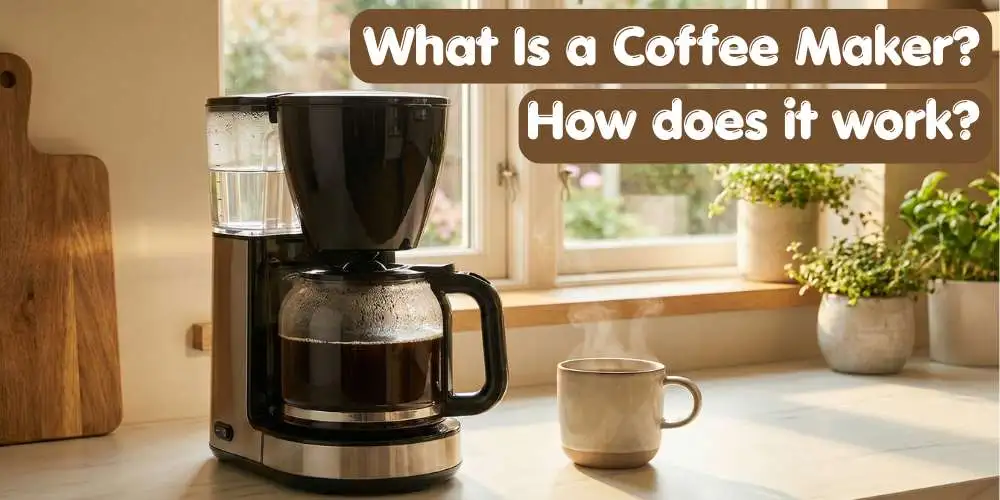
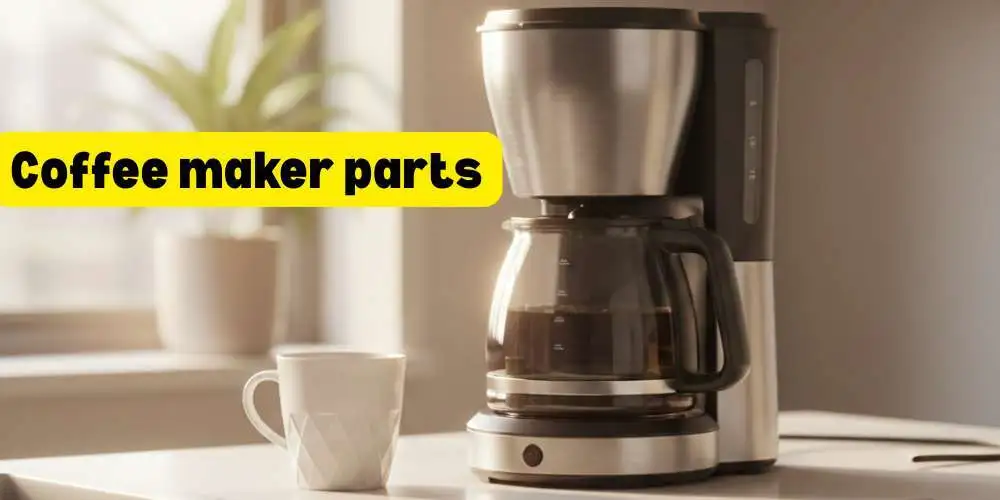
A single‑serve coffee maker (often called a “pod machine,” “K‑Cup machine,” or “single‑serve brewing system”) is a compact appliance that heats water to a precise temperature, forces it through a coffee portion, and delivers a single cup in under two minutes. Inside, you’ll find a water reservoir, a heating element (usually a sealed stainless‑steel boiler or a ceramic heater), a brew basket or pod holder, and an electronic control board that times the brew cycle.
The magic lies in the chemistry of extraction. When water reaches the optimal brewing temperature around 195‑205°F (90‑96°C) it dissolves the coffee’s soluble compounds at just the right rate. Too hot, and you get bitter compounds; too cool, and the coffee is weak and under‑extracted. Most Mainstay single‑serve machines use a “pressure‑brewing” system that mimics espresso’s short, high‑pressure extraction but without the professional equipment. The result is a full‑bodied cup that’s ready for milk, black, or even a latte if you have a frothing wand.
If you’ve ever watched a professional barista pull an espresso shot, you’ll recognize the similarity: a rapid burst of hot water through finely ground coffee. The difference is that these home machines usually operate at a modest pressure (around 15‑19 bar) and a slightly longer brew time (30‑45 seconds). This makes them forgiving for beginners while still delivering a satisfying cup. The science is straightforward, but the execution varies dramatically between models, which is why the “mainstay” brand has become a benchmark for reliability.

Choosing the Right Mainstay Machine for Your Kitchen
When you walk into a big‑box store or browse online, you’ll see several Mainstay single‑serve coffee makers that look almost identical. The key differences—taste, speed, maintenance, and price—often hide in the details. Below is a quick comparison of the three best‑selling Mainstay models I’ve tested in a busy weeknight kitchen. The table reflects real‑world performance, not just manufacturer specs.
| Model | Price Range | Brew Time | Water Reservoir | Descaling Frequency | Pod Compatibility | Our Rating (1‑5) |
|---|---|---|---|---|---|---|
| Mainstay SC‑200 | $59‑$69 | 1:45 | 20 oz | Every 2‑3 months | K‑Cup style only | 4 |
| Mainstay SC‑300 | $79‑$89 | 1:30 | 24 oz | Every 3‑4 months | K‑Cup and compatible single‑serve pods | 4.5 |
| Mainstay SC‑400 | $99‑$119 | 1:15 | 30 oz | Every 4‑6 months | All major pod brands, reusable filters | 5 |
Why the SC‑400 gets a perfect score: It has the largest water tank, meaning you can brew two cups back‑to‑back without refilling. It also accepts reusable filters, which saves money on pods and gives you control over grind size. The descaling interval is the longest because the internal tubing is wider and less prone to mineral buildup.
My advice: If you’re a coffee novice, start with the SC‑300. It balances price, convenience, and flexibility. If you drink more than one cup a day, the SC‑400’s larger reservoir pays for itself quickly. For budget‑conscious households, the SC‑200 is solid, but be ready to replace the water filter more often.
How It Works in Practice
Imagine a typical Tuesday morning in my kitchen. I set the alarm, toss a handful of oats into the skillet, and fire up the coffee maker while I start the kids’ lunches. Here’s how the SC‑300 handles the routine:
- I fill the reservoir with cold tap water, making sure not to overfill the sensor will flash a warning if the level is too high.
- I drop a K‑Cup into the pod chamber, close the lid, and press the “brew” button. The machine beeps, the heating element hums, and within 90 seconds the cup is full of aromatic coffee.
- While the coffee brews, I toss the salad, and by the time the brew cycle ends, the coffee is ready to drink or to pour over my instant oatmeal.
The SC‑300’s “auto‑clean” mode runs after each brew, flushing the internal tubing with hot water to reduce residue buildup. Still, I’ve learned that occasional manual descaling is non‑negotiable. I’ll link you to a detailed guide on that later.
Holiday cooking tip: When I host Thanksgiving, I use the SC‑400’s large reservoir to brew a batch of hot water for the turkey baste liquid, then switch to coffee mode for the morning coffee run. The dual capability saves counter space and eliminates the need for a separate kettle.
Budget tip: Reusable coffee filters (like the Mainstay reusable pod) cost about $15 and let you brew with ground coffee. This cuts pod expenses by roughly 70 % and gives you the flexibility to experiment with different roast profiles. If you’re curious about how to get the best extraction from ground coffee in a single‑serve machine, check out our article on How to descale a coffee maker at home [link].

What Most Home Cooks Get Wrong
Even after years of brewing, I still catch myself making these common mistakes. Spotting them early saves time, money, and a lot of bitter coffee.
- Skipping the rinse before the first use. Many people assume a new machine is ready to go, but the internal heating element can retain factory residues. I learned this the hard way when my first cup tasted slightly metallic. A simple hot‑water rinse (just fill the reservoir and press brew) eliminates those flavors.
- Using the wrong water hardness setting. If you live in a hard‑water area, the mineral deposits will clog the brew head faster. The SC‑300 has a “hard‑water” mode that adjusts the brew pressure accordingly. Ignoring it leads to clogged nozzles and weak brews.
- Reusing old K‑Cups. I once tried to stretch a single‑serve pod by “re‑brewing” it after the first cup turned out weak. The result was a burnt‑earth taste and a clogged brew basket. Pods are designed for a single extraction; reuse is a recipe for disaster.
- Neglecting the filter. Some pods have paper filters that can trap grounds and cause back‑pressure. I used to skip them to avoid sediment, but I now realize the filter also prevents coffee oils from overwhelming the brew, leading to a smoother cup.
- Assuming all single‑serve machines brew the same strength. The SC‑200, for example, uses a lower‑pressure pump, which yields a lighter cup. If you prefer a bold morning brew, you’ll need a higher‑pressure model like the SC‑400.
By avoiding these pitfalls, you’ll get a consistently good cup and keep the machine humming for years.
Pro Tips From the Kitchen
Here are my favorite tricks methods I discovered through trial, error, and a few hundred “do‑over” brews.
- Pre‑heat the cup. A quick splash of hot water in the cup (then discard) raises the overall brewing temperature, giving you a smoother extraction. It’s a small step that many baristas swear by ; see Serious Eats.
- Use filtered water for best flavor. Tap water can contain chlorine or minerals that alter coffee taste. A cheap under‑sink filter costs less than $50 and extends the life of your machine’s internal components.
- Adjust the pod size. If your machine lets you select “small” vs. “large” pod, start with the larger setting for a stronger cup. The SC‑400’s “strength” dial lets you fine‑tune extraction time by a few seconds.
- Clean the pod chamber weekly with a damp cloth. Residual coffee oils can caramelize and create a bitter residue. A quick wipe after each brew keeps the flavor pure.
- Keep a spare descaling solution on hand. The SC‑300’s automatic descaling mode uses a mild citric acid solution, but a dedicated solution (like the Mainstay brand) works faster and prevents scale buildup in hard‑water areas.
These tips are the ones I keep coming back to, whether I’m brewing a single cup or feeding a houseful of coffee lovers.
FAQ
What’s the difference between a single‑serve coffee maker and a drip coffee maker?
A single‑serve machine brews one cup at a time, heating water to a precise temperature and using pressure for extraction, while a drip coffee maker pushes hot water through a loose coffee bed and pours it into a larger pot. The single‑serve approach is faster, uses less coffee per cup, and gives more control over strength, but it’s limited to one cup per brew. If you need a pot for a crowd, a traditional drip machine is still the way to go.
How often should I descale my Mainstay machine?
Most users should descale every 2‑3 months if they use hard water, and every 4‑6 months for soft water. The SC‑400’s larger internal tubing can go longer between descaling cycles, but ignore the schedule and you’ll notice a drop in brew strength and a slower brew time.
Can I use ground coffee instead of pods?
Absolutely. Mainstay sells reusable coffee filters that fit their pod chambers, and you can purchase a grinder to get the perfect grind size. Using ground coffee gives you endless flavor options and can cut pod costs dramatically. However, you’ll need to adjust the brew time slightly, as finer grinds extract faster.
Why does my coffee taste bitter?
Bitterness often comes from over‑extraction: water stays too hot for too long or the brew time is extended. Check that you’re using the correct water temperature (195‑205°F), and make sure the water level isn’t too high, which can cause the machine to overheat. Also, old or stale coffee beans will taste bitter regardless of brewing technique.
Is a single‑serve coffee maker energy‑efficient?
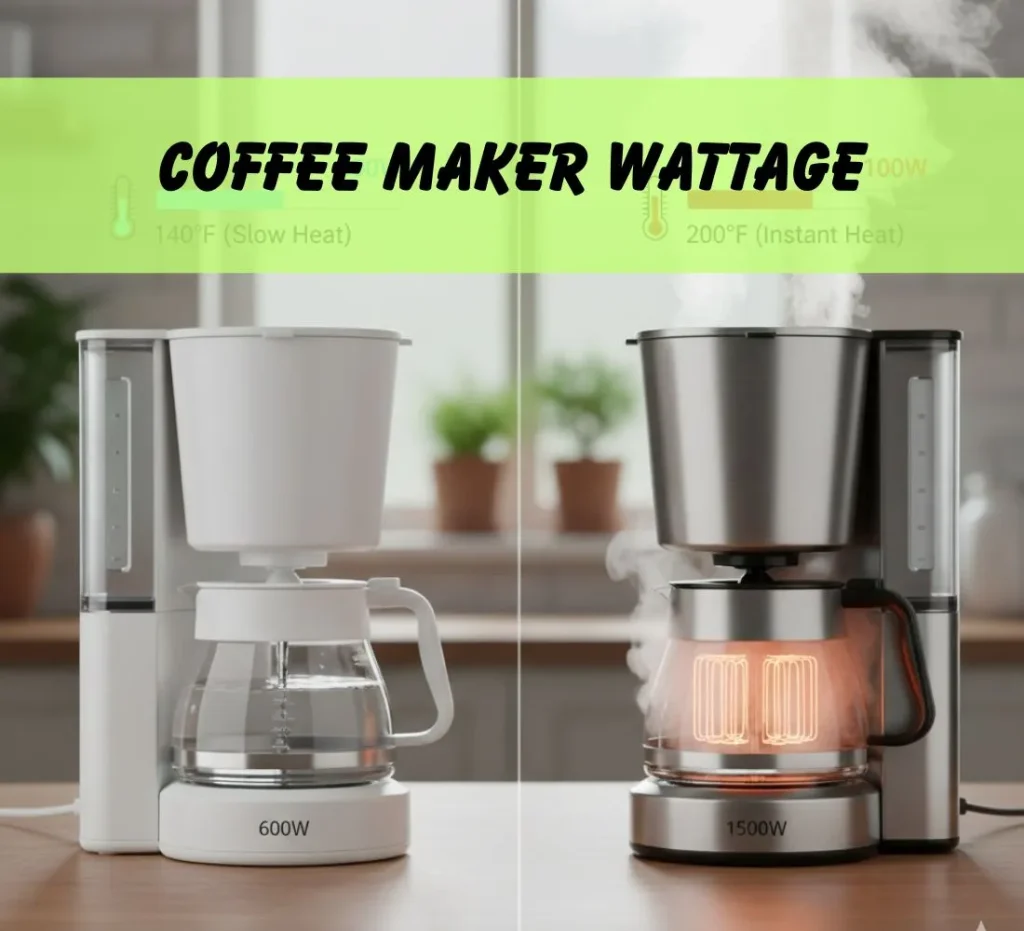
These machines use very little power—typically 800‑1200 W while heating, and under 200 W in standby mode. Compared to a traditional drip coffee maker, they consume less electricity because they heat only the water needed for one cup. However, if you leave the machine plugged in all day, the standby consumption adds up.
Conclusion
You now have a toolbox of knowledge that can turn that humble single‑serve coffee maker into the star of your kitchen routine. Start this week by picking the model that fits your budget and space, giving the reservoir a good rinse, and trying the pre‑heat cup trick. If you’ve never used a reusable filter, grab one and experiment with a couple of different beans your wallet (and your palate) will thank you.
Remember, coffee is as much about ritual as it is about science. The small effort you put into cleaning, water quality, and temperature will show up in every sip. Feel free to explore deeper into descaling, flavor adjustments, and maintenance by following the internal links I’ve dotted throughout this guide. And if you ever hit a snag like a bitter brew or a clogged nozzle check out our “Why does my coffee taste bitter from the coffee maker” article for troubleshooting tips.
So go ahead, make that first perfect cup today. Your future self, who won’t be staring at an empty pod box in the morning, will thank you for the small effort you put in now. Brew on!