I remember standing in the appliance aisle, bewildered by the options, wondering if I really needed another gadget or if my trusty slow cooker was enough. It was a familiar scene, one I’ve seen countless home cooks re-enact, their minds swirling with questions: Is an Instant Pot just a fancy slow cooker? Can it really do everything? Or is there still a place for the simple, set-it-and-forget-it convenience of my old crock-pot? This is exactly the “user pain” I aim to alleviate today. As someone who’s spent over a decade elbow-deep in kitchens, testing countless recipes and gadgets, I’ve put both the Instant Pot vs slow cooker through their paces, cooking everything from chili to cheesecakes. Let’s dig in and figure out which one truly deserves a spot on your countertop – or if, perhaps, both do!
The Great Appliance Showdown: Instant Pot vs Slow Cooker Features
When you’re trying to decide if an Instant Pot vs slow cooker is better for your kitchen, it really boils down to understanding their core functions and the unique benefits each brings. On the surface, both promise convenience and delicious, tender meals. But peel back the layers, and you’ll find they operate on fundamentally different principles, leading to distinct results and user experiences.
Let’s start with the most obvious difference: speed. The Instant Pot, at its heart, is a multi-cooker with a primary function of pressure cooking. This means it can cook food significantly faster than traditional methods, including a slow cooker. Imagine having tender pot roast ready in an hour, rather than eight. This speed is a game-changer for busy weeknights.
A traditional slow cooker, on the other hand, is all about low-and-slow. It gently simmers food over many hours, breaking down tough cuts of meat and infusing flavors deeply. There’s a certain magic to coming home to a house filled with the aroma of dinner, ready and waiting. It’s less about speed and more about hands-off, patient cooking.
But the Instant Pot isn’t just a pressure cooker; it’s a multi-talented appliance that often includes a slow cook setting. This is where the confusion often begins! “If an Instant Pot can slow cook, why would I need a dedicated slow cooker?” is a question I hear all the time. While an Instant Pot can slow cook, the results aren’t always identical, and there are nuanced differences that seasoned cooks will notice.
Here’s a comparison table breaking down the key features of the Instant Pot vs slow cooker:
| Feature | Instant Pot (Multi-Cooker) | Slow Cooker (Traditional Crock-Pot) |
|---|---|---|
| Primary Function | Pressure Cooking, Multi-Functional | Low-Temperature, Long-Duration Cooking |
| Speed | Very Fast (Pressure Cook) | Slow (Hours) |
| Versatility | High (Pressure Cook, Slow Cook, Sauté, Steam, Rice Cooker, Yogurt Maker, etc.) | Limited (Primarily Slow Cooking, some “Warm” functions) |
| Cooking Method | High-pressure steam (retains moisture, cooks fast), or gentle heat (slow cook) | Consistent, low-level heat (gentle, even cooking) |
| Cost | Higher initial investment (typically $80-$200+) | Lower initial investment (typically $30-$100) |
| Browning/Sautéing | Yes, built-in sauté function | No, requires separate stovetop browning |
| Recipe Reliability (Slow Cook Function) | Can be hit or miss; often requires recipe adjustments for texture/timing. Web research notes dedicated slow cookers are often more reliable for classic slow cooker recipes. | Generally very reliable for classic slow cooker recipes. |
| Energy Efficiency | Energy efficient (uses less electricity than stovetop/oven) | Energy efficient (uses less electricity than stovetop/oven) |
| Cleanup | Inner pot is dishwasher safe, sealing ring needs care | Crock/liner is dishwasher safe, simple design |
| Learning Curve | Moderate to High (understanding pressure levels, venting) | Low (simple “on/off” or “low/high” settings) |
| Safety Features | Numerous (lid lock, overheat protection, pressure regulation) | Basic (overheat protection) |
As you can see, the Instant Pot vs slow cooker comparison reveals that the Instant Pot is designed to be a jack-of-all-trades, while the slow cooker is a master of one. Understanding these core differences is the first step in deciding which appliance aligns best with your cooking style and needs.

Beyond the Basics: My Personal Experience with Speed, Versatility, and Results
Having both an Instant Pot and a trusty slow cooker in my kitchen for years, I’ve developed a real feel for their strengths and weaknesses. It’s not just about features on a box; it’s about how they perform when the rubber meets the road (or rather, when the stew hits the pot!).
The Need for Speed: Pressure Cooking vs. Patient Simmering
Let’s talk about speed. There are days when I’m running around like a headless chicken, and dinner needs to materialize now. That’s when my Instant Pot is my undisputed hero. I’ve turned rock-hard dried beans into perfectly tender additions for chili in under an hour, made fall-off-the-bone ribs in 45 minutes, and even conjured up a creamy risotto without constant stirring. This kind of speed, especially when dealing with tough cuts of meat or legumes, simply isn’t achievable with a slow cooker. The Instant Pot vs slow cooker debate often centers on this very point: convenience on a tight schedule. For those “oh shoot, I forgot to defrost dinner” moments, the Instant Pot is a lifesaver.
However, that’s not to say slow cooking is obsolete. There’s a depth of flavor that only hours of gentle simmering can achieve. My classic beef bourguignon or a rich chicken tikka masala, cooked for 6-8 hours in a slow cooker, tastes fundamentally different – deeper, more integrated, with that unmistakable “been cooking all day” goodness. While an Instant Pot can slow cook, I’ve found that it doesn’t quite replicate the consistent, all-around heating of a dedicated slow cooker. The heat often comes from the bottom, which can lead to scorching if you’re not careful, and the moisture retention can be different. So, for those traditional, long-simmered dishes where flavor development over time is key, my slow cooker often wins out for pure reliability and results.
The Multi-Tasker vs. The Specialist: Versatility and Reliable Recipes
The Instant Pot truly shines in its versatility. It’s not just a pressure cooker; it’s a sauté pan, a steamer, a rice cooker, and yes, a slow cooker. The ability to brown meat directly in the pot before pressure cooking or slow cooking is a huge advantage. Fewer dishes to wash! I often use the sauté function to build a flavorful base for my stews or curries before switching to pressure cook mode. This multi-functionality means you can declutter your kitchen and potentially replace several single-purpose appliances.
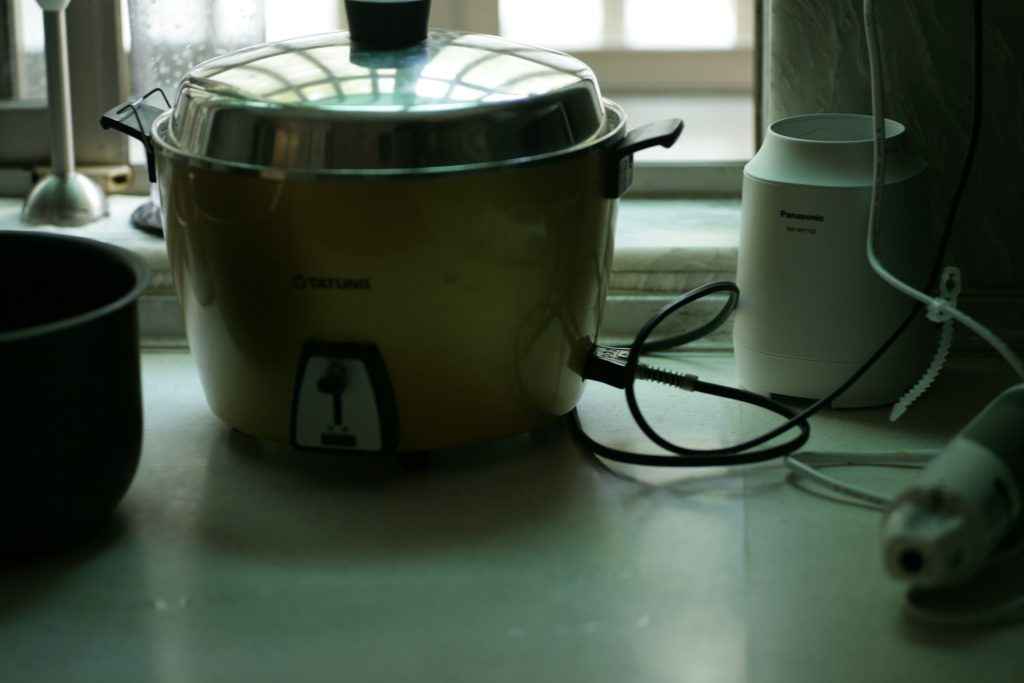
Despite its multi-talented nature, there’s an interesting caveat that came up in my research and through my own experience: slow cookers are generally more reliable with a range of slow cooker recipes than any Instant Pot we’ve tested. This is a point worth emphasizing. While the Instant Pot has a slow cook setting, it’s often not as precise or consistent as a dedicated slow cooker. Many recipes need to be adapted, especially for liquid amounts and cooking times, to achieve the desired results in an Instant Pot’s slow cook mode. For tried-and-true slow cooker recipes, the specialized appliance often delivers superior, more predictable outcomes without fiddling. It just works.
For example, if I’m making a classic chili or a pot roast that I’ve been perfecting for years in my slow cooker, I’ll stick with my slow cooker. The consistent, even heat and the way it handles moisture are simply unmatched for those specific dishes. But if I’m experimenting with new dishes, want to speed up a tough cut of meat, or need to sauté ingredients before simmering, the Instant Pot is my go-to. This really highlights that the Instant Pot vs slow cooker isn’t always a direct competition, but rather a question of which tool is best suited for the specific task at hand. Check out my guide to the best pressure cookers if you’re leaning towards speed and versatility.
Considering Cost, Energy, and Kitchen Space
Beyond how they cook, practical considerations like price, energy consumption, and how much counter space they demand play a significant role in deciding between an Instant Pot and a slow cooker.
The Price Tag: Initial Investment and Long-Term Value
Let’s be frank: slow cookers can be had for much cheaper. You can easily find a basic, reliable slow cooker for $30-$50. This makes them an incredibly accessible entry point into hands-off cooking. If your budget is tight or you’re just looking to try out the concept of “set it and forget it” meals, a slow cooker is a fantastic, low-risk investment.
Instant Pots, on the other hand, represent a higher initial investment. While basic models can start around $80, many popular versions range from $100 to $200+. This higher cost is justified by their multi-functional nature. You’re not just buying a pressure cooker; you’re getting a slow cooker, a rice cooker, a yogurt maker, a steamer, and a sauté pan all in one. From a purely economic standpoint, if you would otherwise buy several of these appliances separately, an Instant Pot can actually save you money and storage space in the long run. The value proposition of an Instant Pot vs slow cooker really depends on how many functions you anticipate using.
Powering Your Meals: Energy Efficiency
One common misconception is that because an Instant Pot cooks faster, it must use more energy. This isn’t necessarily true. Both slow cookers and Instant Pots are remarkably energy-efficient compared to stovetop cooking or using a conventional oven for long periods. They are designed to contain heat effectively, minimizing energy waste. My research, and observations in my own kitchen, confirms that both appliances use less electricity than a stovetop or oven for comparable cooking tasks. So, if you’re concerned about your electricity bill, rest assured that either choice will likely be more efficient than prolonged oven use, especially for slow-cooked dishes.
Countertop Real Estate: Size and Storage
This is a big one for many home cooks, myself included! Kitchen space is precious. A slow cooker, while often bulky, is generally a single-purpose appliance. You have the crock and the heating base. Instant Pots, while offering multiple functions, are also quite large. They take up a significant footprint on your counter or in your cabinets. If you have limited space, an Instant Pot’s ability to replace multiple gadgets can be a huge advantage. Instead of storing a rice cooker, a steamer, and a slow cooker, you just store one Instant Pot. This consolidated approach can make a real difference in a smaller kitchen.
Frequently Asked Questions
Can an Instant Pot really replace my slow cooker entirely?
While an Instant Pot does have a slow cook function, it’s not a perfect one-to-one replacement. Instant Pot slow cooking often heats primarily from the bottom, which can lead to different results, sometimes requiring adjustments to recipes or more stirring to prevent scorching. For specific, classic slow cooker recipes, many users (myself included) find a dedicated slow cooker to be more reliable in delivering consistent results and desired textures. It really depends on how particular you are about traditional slow-cooked flavors and textures.
Which appliance is better for meal prepping?
Both the Instant Pot and a slow cooker excel at meal prepping, but for different reasons. The Instant Pot is fantastic for quickly cooking large batches of grains (rice, quinoa), hard-boiled eggs, or even an entire chicken for shredding, all in a fraction of the time. The slow cooker is ideal for preparing large quantities of stews, chilis, or pulled pork that can then be portioned out for the week. If speed is your priority for meal prep components, the Instant Pot wins. If hands-off, long-simmered dishes are your go-to, the slow cooker is superior.
Is cleaning an Instant Pot harder than a slow cooker?
Generally, cleaning both is quite straightforward. Most slow cookers have a removable ceramic or stoneware crock that is dishwasher safe, making cleanup simple. Instant Pots also have a removable stainless steel inner pot that is dishwasher safe. However, Instant Pots have a few more components to consider, like the sealing ring (which can absorb odors and needs regular cleaning) and the lid, which has several parts that need occasional attention. So, while not harder, an Instant Pot has slightly more intricate cleaning requirements.
Which appliance is safer to use?
Both modern slow cookers and Instant Pots are designed with safety in mind. Slow cookers have basic safety features like automatic shut-off in case of overheating. Instant Pots, being pressure cookers, have numerous advanced safety mechanisms, including lid lock, anti-block shield, automatic temperature control, and overheat protection. When used correctly, both are very safe appliances. The Instant Pot’s higher pressure requires a bit more understanding of venting procedures, but its built-in safeties are robust.
What are the best dishes for each appliance?
For the Instant Pot, I love making quick braises (like short ribs or carnitas), dried beans from scratch, hearty soups, rice dishes, and even cheesecakes! Its ability to tenderize quickly is unmatched. For the slow cooker, my favorites include classic chili, pot roasts, pulled pork, tender chicken and dumplings, and hearty beef stew. These are dishes where the long, gentle simmer truly develops deep, complex flavors and ultra-tender textures. Discover some of my favorite slow cooker recipes here.
My Final Verdict: Instant Pot vs Slow Cooker – Which is Better?
So, after all this talk about Instant Pot vs slow cooker, which one emerges victorious? The truth is, there isn’t a single “better” appliance; it truly depends on your cooking style, your schedule, and your priorities. If you are constantly pressed for time, love experimenting with diverse cooking methods, and want to consolidate multiple gadgets, the Instant Pot is likely your champion. Its speed and versatility are unmatched, making it incredibly appealing for modern, busy kitchens. It’s a fantastic investment that can transform your weeknight cooking. For a deeper understanding of pressure cooking technology, you can refer to the Wikipedia page on pressure cooking.
However, if you cherish the traditional, comforting flavors of dishes that have simmered all day, prefer a simpler, hands-off approach without a steep learning curve, or are on a tighter budget, then a dedicated slow cooker is absolutely still worth it. There’s a distinct reliability and charm to a slow cooker that the Instant Pot, despite its best efforts, sometimes can’t replicate perfectly for those classic slow-cooked meals. For a historical perspective on these reliable appliances, explore the Wikipedia entry on slow cookers.
My honest opinion? If your budget and kitchen space allow, having both gives you the ultimate flexibility. Use the Instant Pot for lightning-fast meals and specific functions like making yogurt, and rely on your slow cooker for those deeply flavorful, tender, long-simmered dishes. If you must choose just one, consider your pain points. Is it speed? Go Instant Pot. Is it hands-off simplicity for tried-and-true recipes? Go slow cooker. Ultimately, the best choice is the one that gets you cooking more often, more joyfully, and with results you love. For more resources on food safety and cooking methods, check out resources from the FoodSafety.gov website.