
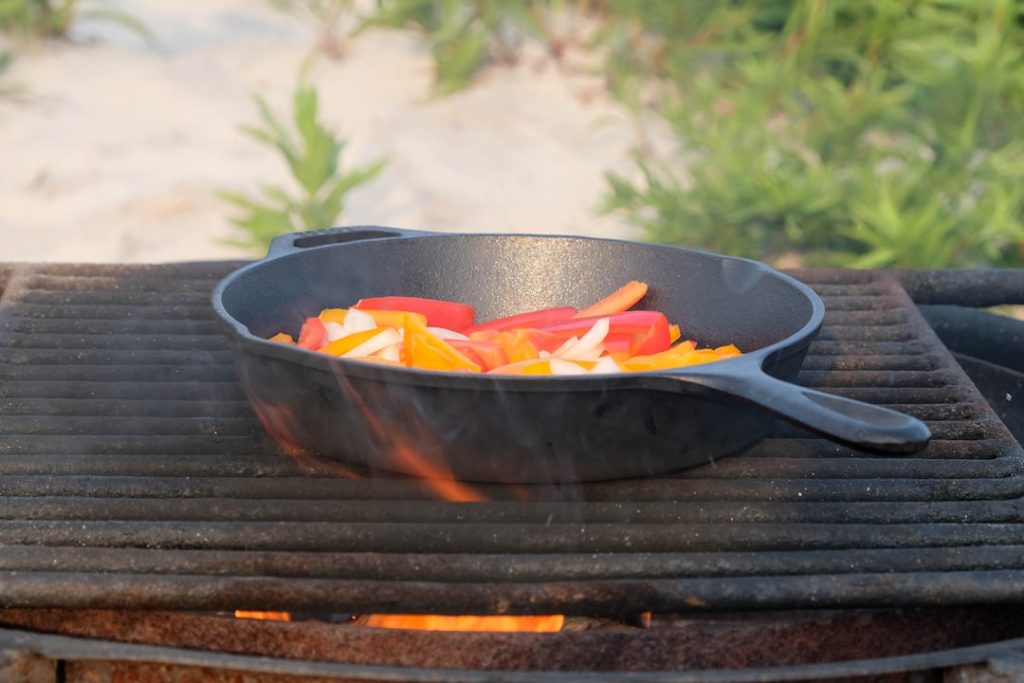
Seasoning a cast iron skillet for the first time is simple: clean the pan thoroughly, coat it with a thin layer of oil (flaxseed, grapeseed, or vegetable oil works great), then bake it at 450°F (232°C) for one hour. After baking, let it cool in the oven. A properly seasoned skillet will have a smooth, dark coating that is naturally non‑stick and rust‑resistant. Repeat the oil and bake step a few more times for the best results.
Below you’ll find why this matters, a full science‑backed explanation, step‑by‑step instructions, and everything you need to know to avoid common pitfalls.
Why This Question Matters in the Kitchen
When a brand‑new cast iron pan lands in your kitchen, it looks pristine but is, in reality, coated with a factory protective layer that is easy to scratch or misuse. If you skip seasoning, you end up cooking sticky, unevenly browned food and, worst case, oxidized metal that rusts. A well‑seasoned pan turns into a culinary workhorse: it sticks minimally, distributes heat evenly, and actually improves with use. For many first‑time owners, a single, correct seasoning ritual can save hundreds of dollars in replacement pans and prevent frustration with poorly cooking meals. Moreover, a properly seasoned skillet is safer because the seasoning creates a thin barrier against direct metal contact, reducing the chance of accidental burns from exposed hot surfaces.

The Full Explanation: What Happens During Seasoning
The Science of Seasoning
Seasoning is polymerization. When you heat oil at high temperatures, the fatty acids break down, rearrange, and bond to metal atoms, forming a hard, glossy film. This film is essentially a cross‑linked polymer, which is chemically different from the oil itself. The oil molecules have carbon chains that, when carbonized, link together, forming new carbon–carbon bonds on the pan’s surface (polymerization). That’s why a seasoned pan looks almost like a dark$( approx 12V)$/forms a continuous coating rather than a thin drip of oil.
A pinned‑paper explanation: Heating oil to 400–450°F causes it to “bake into” the iron, creating a layer of flaky, solidified hydrocarbon that is water‑repellent. Over time, repeated heating and cooking with oils organically build a thicker coating. In short, seasoning is a cooking‑chemical reaction that turns a simple liquid into a protective, non‑sticking shell on the skillet.
External Reference: How It Works
Detailed explanations of the chemistry behind cast iron seasoning can be found in a widely respected article at SeriousAwọnEats. That recipe reveals why the oil’s polarity and temperature define the strength of the polymerized film.
Why 450°F Works Best
At temperatures between 400 and 450°F, the oil reaches its dehydration point, causing molecules to lose water and carbon monoxide, sparking the polymerization you need. Below 400°F, the oils will simply pour off or remain a thin film. Above 500°F, you risk scorching the pan or creating a black, brittle layer that can flake. 450°F strikes a balance: enough heat for chemical change but low enough that the pan doesn’t warp.
Types of Oil
- Flaxseed oil: Highest smoke point and excellentarlı polymerization. It is, however, a bit more expensive.
- Grapeseed oil: Neutral flavor, affordable, and high smoke point.
- Vegetable/Palm oil: Readily available, but watch for lower smoke points if you’re aiming for maximum thickness.
Choose an oil you do not mind using even if you end up a little “fatty” in the skillet; the oil will be trapped in the metal, not burnt on the food.
External Reference Food Safety
When you are heating pan‑src oil, follow the USDA Food Safety guidelines to avoid over‑cooking foods and maintain safe internal temperatures.
Cleaning Before Seasoning
If your pan came with a factory coating (wax, protective oil) or any leftover food dust, you must scrub it clean. Use warm water, a gentle sponge, and a light dish soap (if it’s the first use from the factory, you may skip soap). Rinse and dry thoroughly. A clean surface ensures the first polymer layer adheres correctly.
How Many Times “Bakes” is Enough?
Beginners often single‑task: one bake is enough. That will give a light coating that functions, but it’s still susceptible to sticking and rust over the first few pots of cooking. Precision cooks recommend at least three cycles of oiling and baking at 450°F overnight for 72‑hour seasoning. For most households, two cycles are usually fine.
What Happens Over Time?
Each subsequent cook adds to the coat. You could add a hair‑thin spray of oil after every use and then bake it after a week. That small maintenance routine keeps the seasoning from flaking.
Food‑Processor Clean Weapon: A Helpful Comparison
When you’re cleaning delicate food‑processor blades carefully, you’ll want to avoid cross‑contact from greasy residues—just like you’d avoid transferring oil residue into other pans. Refer to our guide on safe blade cleaning: How to Clean Food Processor Blades Safely Without Cutting Yourself for a step‑by‑step procedure that protects both knives and surfaces.
How Often Should You Re‑Season?
- Light use: Once a month or when you notice food sticking.
- Heavy use or after washing with soap: Re‑season within two weeks.
During heavy cooking (like searing steak), the hot oil leaves behind many polymer deposits, reducing the need for immediate re‑seasoning.
Factors That Change the Answer
| Factor | Trim, Variation | Why It Matters | |
|---|---|---|---|
| Initial rust | Pan is already slightly rusty | Rust needs to be scrubbed off or wiped with steel wool for seasoning to bond properly. | |
| Oil preference | Flaxseed vs grapeseed | Flaxseed weathers to an even dark surface; grapeseed is lighter, so style depends on preference. | |
| Heat source | Oven vs stovetop | Oven ensures even heating; stovetop may create hot spots requiring multiple oilings. | |
| Pan size | Small vs large | Larger pans need more oil weight owned and longer baking to cover all surfaces. | |
| Router | Temperature | 400‑450°F is default. If you have a blast‑furnace‐like refrigerator, for gourmet cooks, just keep 450°F. |
If you’re working. portlet with and you cannot set an oven at 450°F, you can still season using a propane grill or a professional oven at 400°F; just sit a bit longer.

Step‑by‑Step for First‑Time Seasoning
- Wash and dry: Scrub the skillet with water and mild soap or hot water (skip soap if it’s a brand-new pan from a store that already’s cured). Dry thoroughly with a towel.
- Apply oil: Pour ~½ teaspoon of chosen oil onto a paper towel. Spread a thin coat over the entire interior surface and a little on the exterior, especially where you’ll hold it. Don’t over‑coat; a crumb‑like excess will smoke.
- Pre‑heat oven: Set your oven to 450°F (232°C). Place a sheet of foil on the lower rack to catch drips.
- Bake: Place the skillet upside‑down on the middle rack, with a foil tray directly below. Bake for 1 hour. This high heat polymerizes the oil into a layer.
- Cool: Turn off the oven and let the skillet sit inside until cool (about 1‑2 hours). This prevents cracking from thermal shock.
- Repeat: For a deeper coating, repeat steps 2‑5 2–3 times, depending on your cookware’s usage pattern.
- Store: Once the skillet is cool, apply a minimal coat of oil if storing in a cupboard; otherwise, keep a little oil inside the pan for a protective barrier.
What Happens If You Get This Wrong
- Too little oil: The pan remains sticky, and food adheres, defeating the seasoning purpose.
- Over‑oiling: Creates off‑odors, graininess, and can lead to a food‑flavor overlay, especially when cooking lighter foods.
- Under‑cooking: The oil doesn’t polymerize; the pan stays prone to rust and sticking.
- Over‑burning: Scorching turns the surface black and brittle; the seasoning fractures over time.
- Cleaning with harsh detergents: Removes the thin protective film, exposing iron to air; rust starts creeping in.
The most common error is not finishing the first seasoning cycle (no overnight bake). If you skip the 1‑hour bake, you’re effectively not seasoning, and you’ll experience food sticking.
FAQ
Can I use olive oil for seasoning?
While olive oil can polymerize, its lower smoke point and high polyphenol content may produce a sticky or rancid film. If you like the flavor, use a small quantity in a later maintenance cycle rather than the first bake.
Do I need to season after every wash?
Only if soap has contact with the surface; soap can strip oil. After washing with water, rinse, dry, and if you notice sticking, apply a thin layer of oil and warm the pan with a quick 10‑minute bake.
How long does a seasoned pan last?
With proper maintenance, a seasoned skillet can last a lifetime. It’s rare for seasoning to “fail,” but repeated heavy Serviço or harsh scrubbing can degrade it.
I only use the skillet for non‑stick cooking. Do I still need to season?
Yes, seasoning turns the skillet into a natural non‑stick surface. Even if your stainless steel cookware rarely sticks, seasoned cast iron acts like a kusura‑tilt of a non‑stick pan manager.
Is there a quick “one-purchase” method?
Some recommend using tofu pan seasoning spray or a quick heat‑up on the stove for 10 minutes. These only produce a thin film; for robust use, the 450°F bake is still best,reservieux.
Wrap‑Up
Seasoning a cast iron skillet for the first time is a one‑time learning curve that pays for itself forever.
- Clean – Done properly.
- Oil – Thin, even coat.
- Bake – 450°F, 1 hour, then cool.
- Repeat – 2–3 cycles for durability.
Now that you’re armed with the science and the proven steps, your cast iron will handle chicken, eggs, veggies, and more without the dreaded stick.
Take this next Sunday, walk into your pantry, grab a single bottle of grapeseed oil, and give your skillet the coat it deserves. You’ll soon notice that cooking with it feels like a season of silk, and you’ll be ready for any culinary adventure that comes your way.