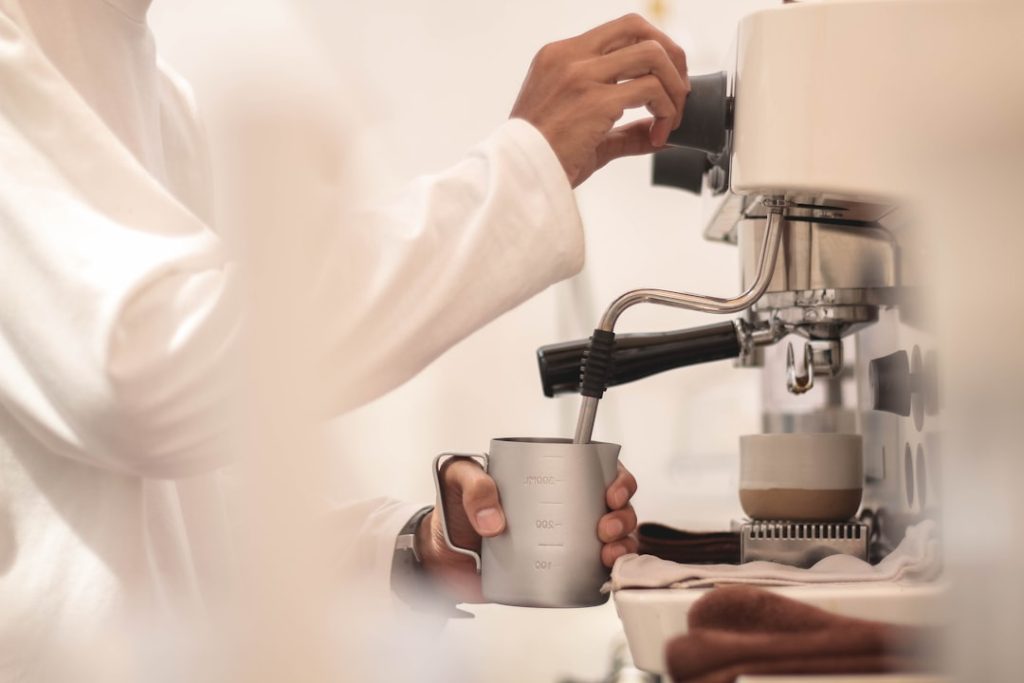
Frothing milk with a steam wand is all about creating a smooth, glossy micro‑foam that rises to about 65 °C (149 °F). Start by choosing the right milk (whole has more creaminess, 2% is a good balance, skim or plant starts harder to flash). Pull the wand a few millimeters below the surface, let the steam build up, then tilt the pitcher so the wand runs against the side where tiny稳赢 bubbles form. As the milk expands to a frothy waist, lower the wand into the body to finish the texture and stop at the desired elasticity. Finally, turn off the steam, wipe the wand, and tap the pitcher to seal the foam. You now have latte‑grade steam ready for pouring.
Why This Question Matters in the Kitchen
Your daily latte or cappuccino isn’t finished until the milk texture is right. Mis‑frothing can ruin the balance of flavors, create a grainy mouthfeel, or, if the milk gets too hot, destroy vitamins and make the crema taste burnt. Knowing how to craft the perfect froth also lets you experiment with dairy‑free options in a professional‑sounding way, saving money and opening a new palette of drinks for guests.
Milk Palettes: Which Milk Works Best?
- Whole milk: 3.25% fat – the richest, gives the creamiest latte foam that carries the espresso flavors.
- 2% milk: 2% fat – still silky, but lighter than whole, making for a taller froth.
- Skim milk: <0.5% fat – hard to get stable foam; best for plain foam but less velvety.
- Plant milks: soy, oat, almond, or coconut each need a different touch. Soy works best because of its protein content; oat has starch/team for body; almond often needs a whirl or a dash of whey protein.
If you’re serving a picky crowd, have each milk type on hand and test each one to see how the steam wand reacts.
Temperature Rules
Milk changes dramatically at 60 °C (140 °F). At that point, proteins denature, starches set, and the occlusion of gases expands into foam. Go hotter, and you’ll kill the protein structure, leading to a dry, tough foam that can taste burnt.
On a microwave, the safest window is 60–65 °C. On a steam wand, you can feel it: the steam feels steady, and the pitcher feels slightly warm but not hot to touch. A quick glance at a thermometer will confirm you’re in the sweet spot.
The Scientific Why of Foaming
The wand injects steam under pressure; this water vapor dissolves into the milk and expands. The milk’s proteins, especially casein, trap tiny air pockets, turning the liquid into a passable foam. The agitation forces more micro‑bubbles open at the surface. As milk heats, the tensivelity changes, allowing bubble walls to tighten and make a tighter structure that holds up under a pour. Check out the in‑depth science of latte foam here: The Science Behind Matching Milk to Coffee and Foaming Dairy.
Common Mistakes and How to Avoid Them
- Too shallow: The wand needs to be close to the surface so the steam can bubble into the milk.
- Overheated milk: Will scorch the surface and taste burnt. Use a thermometer or keep steam soft.
- Back‑tapped foam: Once the whirl is running, lowering the pitcher too quickly will collapse the foam.
- Dry foam Courses: Adding a splash of cold milk at the end or using a plant milk with stabilizer helps.
Equipment Tips
- Pitcher shape: A tall, narrow ceramic pitcher works best for a tightánica.
- Steam wand cleaning: After each use, wipe the tip with a damp cloth and run a quick steaming pulse to clear milk residue. Read our guide on cleaning the portafilter for step‑by‑step instructions: How to Clean Espresso Machine Portafilter.
Factors That Change the Answer
| Variable | Effect on Frothing | Ideal Technique |
|---|---|---|
| Milk fat content | Higher fat = smoother | More surface agitation, lower temperature |
| Milk temperature | Warmer = quicker expansion | Keep gentle, monitor heat |
| Plant milk type | Protein‑rich = better foam | Add a protein source or use a ready‑foam variety |
| Pump pressure | High pressure = stronger turbulence | Lowering wand off‑surface improves mouthfeel |
| Ambient humidity | Low humidity fosters stronger bubbles | Use a humid room or add a splash of cold milk at the end |
Step‑by‑Step for Perfect Steam Froth
- Fill a cold ceramic pitcher about a third full and place it on the steam rail.
- Prime the wand: turn it on a beat to purge air and dampen foam.
- Submerge the tip just below the pitcher’s surface.
- Tilt the pitcher clockwise; the steam should spray into a tight spiral of bubbles.
- Observe the texture as it rises to a thick, glossy “waist.”
- Lower the tip into the milk’s body and continue steaming until the pitcher warms to about 60–65 °C.
- Tap the pitcher lightly on the counter to collapse large bubbles, then swirl gently.
- Turn off the wand, wipe the tip, and double‑tap to remove any remaining foam from the tip.
- Pour your espresso or espresso shot, allowing the micro‑foam to merge on the surface.
- Enjoy your latte, cappuccino, or flavored milk beverage.
What Happens If You Get This Wrong
An over‑heated or poorly textured froth not only ruins your drink’s mouthfeel but can also contaminate the espresso with stray milk solids leaking into the crema Effective sub‑control of temperature can lead to uneven extraction and affect taste. Worse, if the steam wand isn’t cleaned properly, bacterial growth can slip into future drinks, posing a food europea risk. Keep the wand squeaky clean.
Internal Navigation
If you’re still new to espresso machines, explore our beginner’s guide: How to Use an Espresso Machine for Beginners.
For a deeper dive into latte art and presentation, check out: How to Make a Latte with an Espresso Machine: Simple Steps for Creamy Coffee at Home.
Can I use cold milk straight out of the fridge?
Yes, cold milk helps create a tighter micro‑foam and prevents over‑heating. Extend the steaming time to reach 60–65 °C.
What’s the best way to get the crema and froth to blend?
Once the milk is textured, pour it slowly and steadily in a circular motion, allowing the crema to rise naturally.
Do I need a thermometer to perfect froth?
Not strictly, butോട measuring the temperature gives a consistent baseline. A simple kitchen thermometer is cheap and easy to use.
Could I froth milk for a cold latte?
Absolutely, just