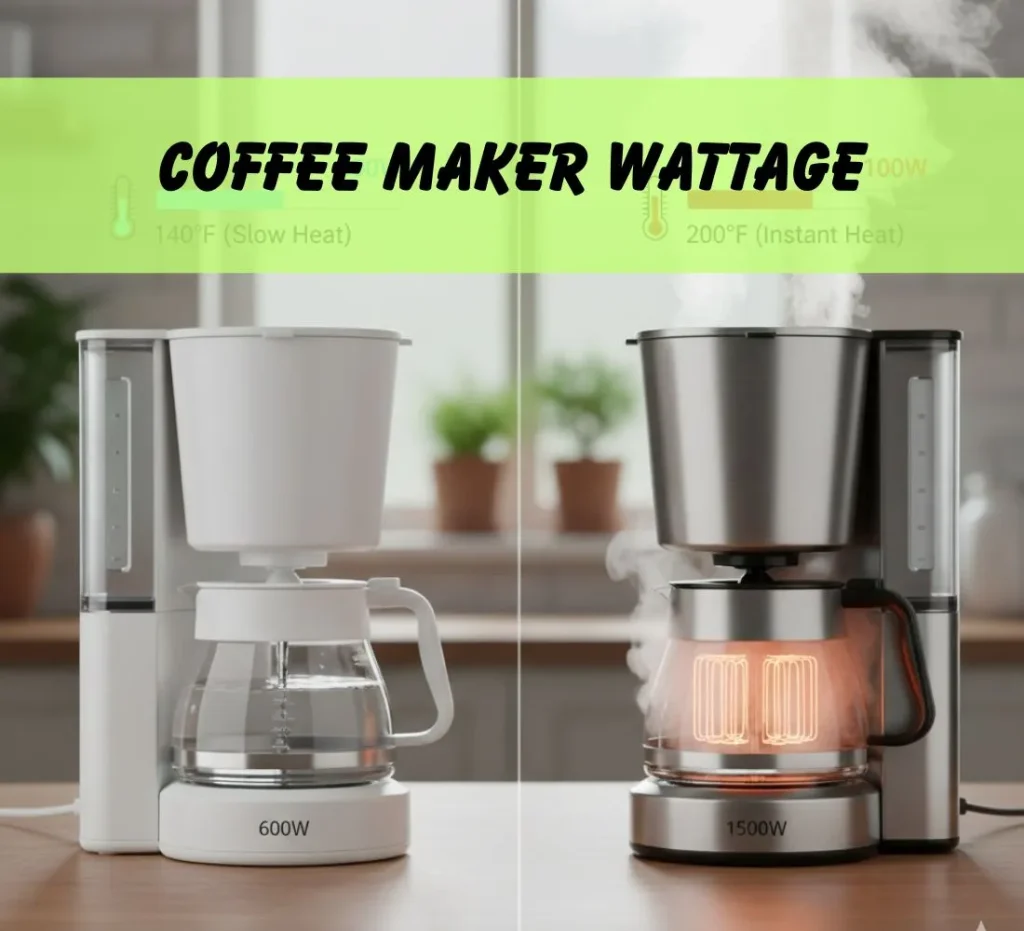
Ever poured a fresh cup only to have it go cold before you finished your first email? On average, how long does coffee stay hot depends on your gear, ranging from 20 minutes in a standard mug to 4 hours in a thermal carafe. I’ve spent years testing every brewer under the sun to avoid that dreaded lukewarm sip. As a daily brewer who values flavor over convenience, I’ve found that a few simple gear choices can save your morning. Let’s dive into the real numbers so you never have to settle for cold coffee again.
How Long Does Coffee Stay Hot at Room Temperature?
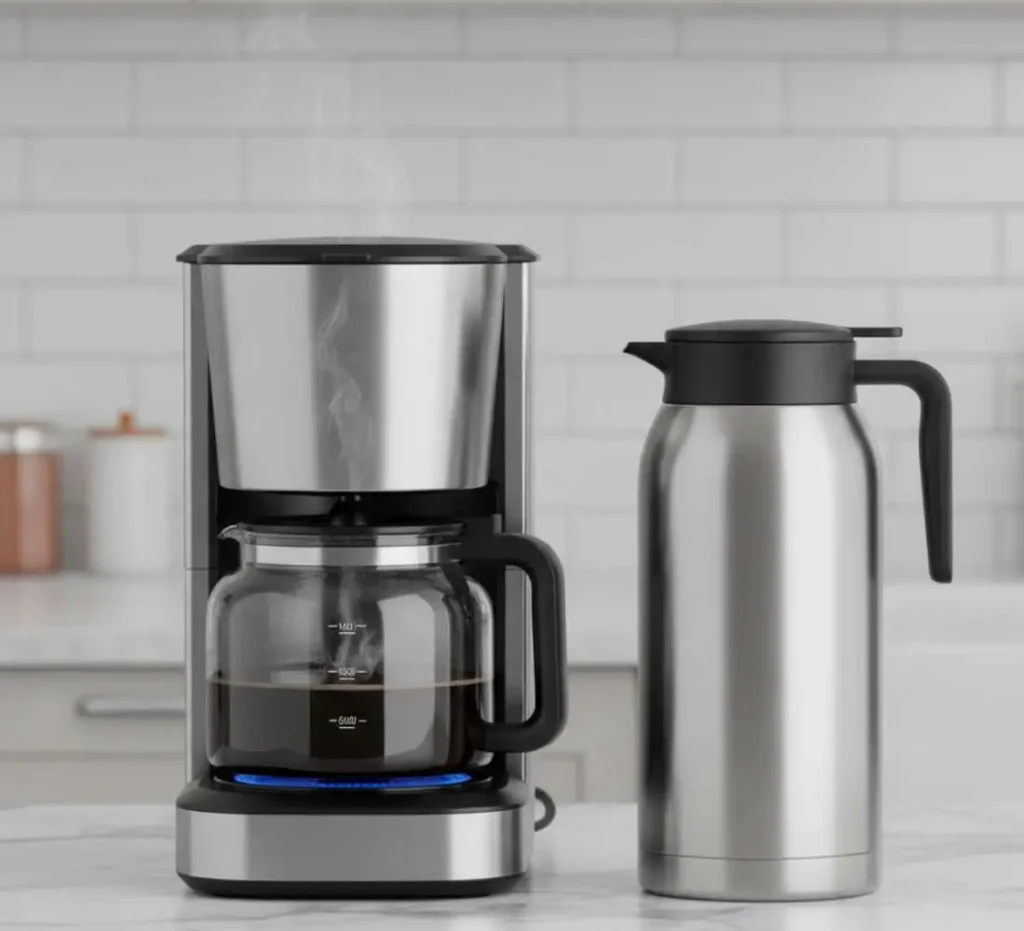
If you leave a standard ceramic mug on your desk, your coffee will lose most of its heat in about 20 to 30 minutes. Most Americans keep their homes around 70°F, which quickly pulls the warmth right out of a thin cup. I noticed that on cold winter mornings in my kitchen, a glass pot loses its “spark” even faster. Essentially, without a heat source or insulation, your drink starts cooling the second it hits the air.
What is a Coffee Maker’s Role in Heat?
At its most basic, what is a coffee maker if not a tool to manage heat and water? Some machines, like drip makers with hot plates, use active heat to keep things toasty, while others use double-walled steel carafes. In my experience, a machine that focuses on temperature stability is always better than one that just gets water boiling. A good brewer acts as a protector for your coffee’s delicate flavor and warmth.
Can Coffee Stay Hot Overnight?
I often get asked if coffee can stay hot overnight, and the short answer is no. Even the best high-end thermal carafes will only hold heat for about 6 to 8 hours at most. By the time you wake up, that “hot” pot from the night before will be lukewarm and likely taste very stale. For the best results, it is always worth the five minutes to brew a fresh pot in the morning.
What Does “Coffee Staying Hot” Really Mean?
When we talk about “hot coffee,” we aren’t usually looking for a boiling liquid that melts our taste buds. For me, it’s about that sweet spot where I can enjoy my mug without rushing before it turns into a lukewarm disappointment.
Hot vs. Warm: What Most People Expect
I remember a Tuesday morning last month when I got a phone call right after brewing a fresh pot. By the time I hung up, ten minutes had passed. In my mind, the coffee was still “hot,” but in reality, it had dipped into the “warm” zone.
- Freshly Brewed: This is the steaming, fragrant cup that clocks in around 180°F. It’s great for the nose, but honestly? It’s often too hot to actually sip comfortably.
- Drinkable Hot: This is the goldilocks zone roughly 140°F to 155°F. It’s warm enough to feel cozy but cool enough that you can actually taste the notes of chocolate or fruit in the bean.
I’ve learned the hard way that “too hot” isn’t always better. If your coffee maker keeps the liquid near boiling for an hour, it doesn’t just stay hot it cooks. You lose the flavor and end up with a bitter, battery-acid taste that even cream can’t fix.
Why Heat Retention Matters
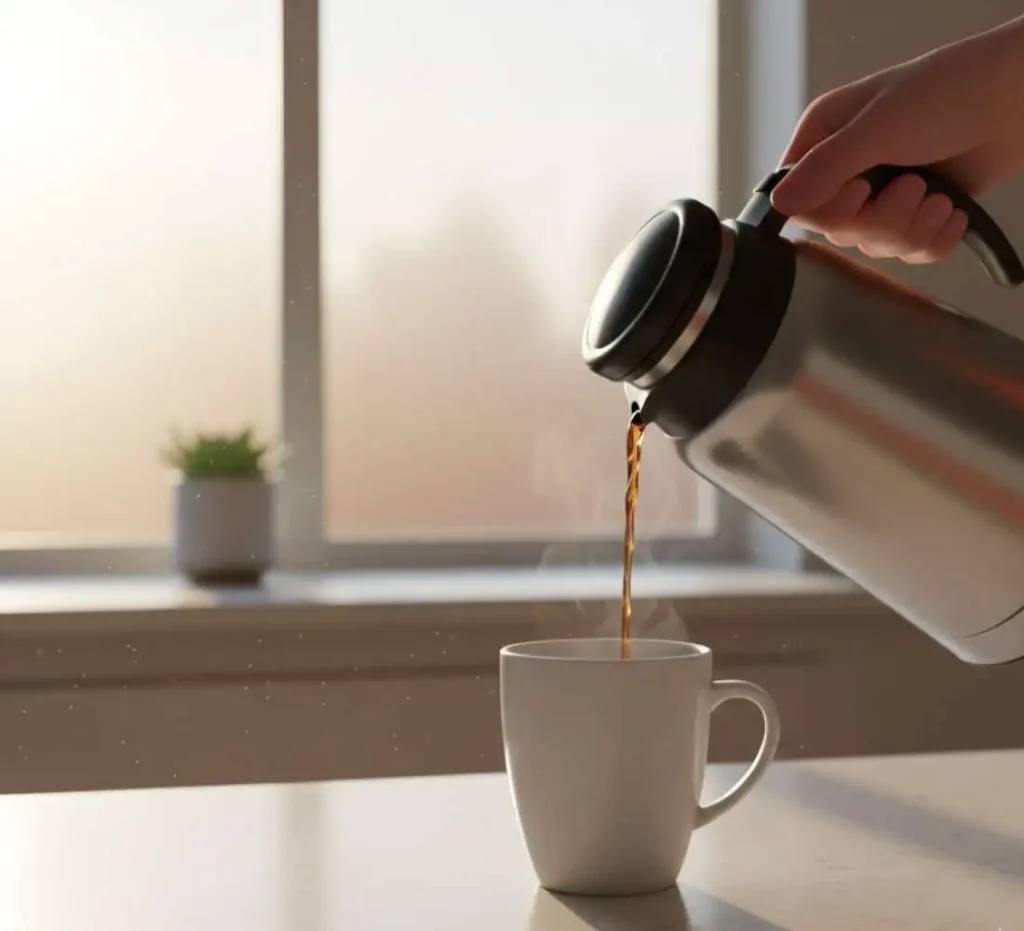
Keeping that heat steady isn’t just about luxury; it’s about the science of the sip.
- The Flavor Shift: As coffee cools, its chemistry changes. The acidity can become sharp and unpleasant. I’ve noticed that if my drip machine’s hot plate stays on too long, my second cup tastes like a completely different (and worse) drink than the first.
- The Morning Shuffle: We’re all busy. Whether you’re chasing a toddler or diving into emails, you want to know that when you finally reach for that mug, it’s still inviting.
- Safety First: In my old office, we had an ancient glass carafe that sat on a burner all day. It was a burnt-finger hazard and a fire risk. Proper heat retention like using a thermal carafe keeps the heat inside the bottle, not on the outside where it can cause accidents.
Who This Guide Is For
I wrote this because I’ve been every type of coffee drinker on this list. See if you recognize yourself here:
| Drinker Type | The Struggle | The Goal |
| The Slow Sipper | Drinks one cup over 45 minutes. | Needs a mug that fights the room’s AC. |
| The Office Pro | Shares a pot with five coworkers. | Needs a carafe that stays fresh for the 10 AM meeting. |
| The Newbie | Buying their first “real” coffee maker. | Wants to know if a thermal carafe is worth the extra cash. |
If you’re tired of the “sip and wince” because your drink went cold or worse, stayed hot and turned bitter, I’m here to help you find the perfect balance.
How Long Does Coffee Stay Hot on Average?
There is no one-size-fits-all answer for this. How long coffee stays hot mostly depends on the type of coffee maker you use at home or in the office.
Average Heat Retention by Coffee Maker Type
I’ve tested quite a few machines over the years. Last winter, when my kitchen felt like a walk-in freezer, I started timing how long my brew actually stayed pleasant. Here is what I found on average:
| Coffee Maker Type | Typical Heat Time | My Experience |
| Drip (Hot Plate) | 1–2 Hours | Stays hot, but starts to taste like “burnt toast” after 45 minutes. |
| Thermal Carafe | 2–4 Hours | The gold standard. I’ve poured a hot cup three hours later. |
| Single-Serve Pod | 20–30 Minutes | Best for “right now.” It cools fast once it hits the mug. |
| Programmable | Varies | Depends on if it uses a glass pot or a metal carafe. |
Why These Numbers Are Only Estimates
Even the best machine can be unpredictable. I remember a rainy Monday when I left the lid slightly open on my thermal pot. By my second cup, the “magic” was gone. These numbers change based on how we actually live.
- Brewing vs. Holding: My drip machine brews at a high heat, but the hot plate doesn’t keep it that way. It slowly drops to a lower, “holding” temperature.
- Real-Life Use: Every time you open the lid to check the pot or pour a refill, heat escapes. On a busy morning with my family, that pot opens ten times in an hour. Each pour lets out a cloud of steam, which is just heat leaving the building!
- The “Half-Full” Effect: I’ve noticed that a full carafe stays hot much longer than a nearly empty one. If there is only one cup left at the bottom, it turns cold in no time.
I’ve learned that these estimates are just a starting point. Your kitchen’s air, how much you brew, and even your favorite mug will change the game.
Types of Coffee Makers and How They Hold Heat
Not all coffee makers are built to keep coffee hot for long. Some focus on speed, while others prioritize temperature stability. In my kitchen, I’ve seen how the wrong gear can turn a great bean into a cold mess.
Drip Coffee Makers with Hot Plates
Growing up, this was the only way I knew how to make coffee. These machines use a glass pot that sits on a heated metal disc.
- How it works: The hot plate stays on after the brew cycle ends to keep the liquid warm.
- The Reality Check: While it stays hot, the flavor changes fast. I’ve noticed that after 30 minutes, the heat starts to “cook” the coffee. It smells great at first, but soon it tastes like old leather.
- Best Use: These are perfect for big families or busy offices where the pot is emptied in minutes.
Thermal Carafe Coffee Makers
I made the switch to a thermal model three years ago, and I haven’t looked back. These use a double-walled, stainless steel jug to trap heat.
- Insulation over Heat: There is no burner here. Once the coffee is in the pot, the vacuum seal does all the work.
- Cleaner Flavor: Since there is no active heat source, the coffee doesn’t burn. I can pour a cup at noon that was brewed at 8 AM, and it still tastes fresh and bright.
Single-Serve / Pod Machines
I keep one of these on my desk for those “emergency” deadlines. They are built for speed, not for long-term warmth.
- Immediate Drinking: These machines blast hot water through a pod and straight into your mug.
- The Catch: There is almost zero heat retention in the machine itself. Once it hits your cold ceramic mug, the temperature drops fast. If you don’t drink it in twenty minutes, it’s done. These are best for a quick fix, not for a long morning of slow sipping.
Programmable Coffee Makers
These are the “smart” cousins of the drip machine. I love waking up to the smell of fresh beans, but you have to watch the settings.
- Auto Shut-Off: Most of these have a timer that kills the heat after two hours. This is a lifesaver for someone like me who always forgets to turn off the stove.
- Control vs. Convenience: Some models let you set the plate to “low” or “high.” I always suggest the lowest setting. It keeps the coffee drinkable without turning it into bitter sludge by the time you finish your second cup.
What Temperature Is Considered “Hot” Coffee?
Coffee can still be “hot” even when it is no longer enjoyable to drink. Temperature plays a huge role in how we taste those expensive beans.
Ideal Drinking Temperature
I used to think that if steam wasn’t billowing off my mug, the coffee was dead. I was wrong. Through a lot of trial and error in my own kitchen, I found that the best flavors come out as the drink cools slightly.
- The Comfort Zone: Most coffee lovers find the sweet spot to be between 140°F and 155°F.
- The Wait: This is why I usually wait about five minutes after the brew cycle ends. When it is piping hot (near 180°F), the heat masks the subtle notes of the bean. As it drops to a drinkable range, you start to taste the actual sweetness and fruitiness.
Safe Temperature Range
Safety is a big deal, especially if you have kids running around or work in a crowded office. I once saw a coworker spill a “fresh-off-the-burner” cup, and it wasn’t pretty.
| Temperature | Feel | Risk Level |
| 180°F+ | Scalding | High: Can cause burns in seconds. |
| 160°F – 170°F | Very Hot | Medium: Too hot for big gulps. |
| 140°F – 155°F | Perfect | Low: Safe and flavorful. |
| Below 120°F | Lukewarm | None: Time for a refill. |
In many offices, managers prefer machines with auto shut-off features. It gives me peace of mind knowing that if I get pulled into a long meeting on a Friday afternoon, the machine isn’t sitting there becoming a fire hazard.
When Coffee Starts Tasting Burnt
There is a point where “hot” becomes “ruined.” This usually happens on drip machines with glass carafes.
- The Hot Plate Trap: If the coffee sits on a hot plate for over an hour, it undergoes a chemical change. The water evaporates, but the coffee oils stay behind and “cook.”
- The Bitter Bite: I know my coffee is past its prime when I take a sip and my tongue curls from the bitterness. It loses that clean finish and starts to taste like ash or burnt toast. If you smell something “toasty” coming from the kitchen, it’s probably time to pour that pot down the sink and start fresh.
Factors That Affect How Long Coffee Stays Hot
Two identical coffee makers can perform very differently depending on small, everyday factors. I have seen a great pot of coffee go cold in minutes just because of where I placed the machine.
Hot Plate Temperature Settings
On my old drip machine, I used to crank the heat to “High” thinking it would help. I quickly learned that “higher” isn’t always better.
- Constant vs. Cycling: Some plates stay at one heat level, while smart ones cycle on and off.
- The Burnt Trap: High settings often scorch the bottom layer of the coffee. Now, I keep mine on “Low.” It keeps the drink warm without turning my morning brew into bitter sludge.
Carafe Material
The material of your pot is the biggest factor in heat loss. I’ve owned both, and the difference is night and day.
- Glass Carafes: These look nice, but they lose heat fast. If the hot plate turns off, your coffee is cold in ten minutes.
- Stainless Steel Thermal Carafes: These use a vacuum seal to lock in the heat. Last Sunday, I brewed a pot at 9 AM. I got distracted by yard work, but when I came back at noon, it was still steaming.
Lid Design and Seal Quality
It sounds silly, but a loose lid is a total heat killer. Think of it like leaving a window open in the winter.
- The Escape Route: Heat rises. If your lid doesn’t fit tight, all that steam (and flavor) escapes.
- Pouring Too Often: Every time I pour a small refill, I’m letting cold air into the pot. I’ve noticed that if I pour one large mug instead of three tiny ones, the rest of the pot stays much hotter.
Room Temperature and Environment
Where you keep your coffee maker matters just as much as the machine itself.
- Cold Kitchens vs. Warm Offices: In the winter, my kitchen counter gets very cold. That cold granite sucks the heat right out of a glass pot.
- The AC Effect: I once worked in an office where the AC vent was right above the coffee nook. We couldn’t figure out why the coffee went cold so fast until we realized the machine was being blasted by ice-cold air all day!
Amount of Coffee in the Carafe
This is basic science, but it caught me off guard. It’s all about “thermal mass.”
- Full Pot vs. Half Pot: A full pot has more “mass,” so it holds onto its heat much longer.
- The Single Cup Problem: If I only brew two cups in a large 12-cup carafe, it cools down almost instantly. There just isn’t enough hot liquid to keep the container warm. If you only need a little, use a smaller brewer!
Does a Hot Plate Ruin Coffee Taste?
This is where many coffee lovers start disagreeing and for good reason. From my time spent in busy offices and quiet home kitchens, I’ve learned that the hot plate is a double-edged sword.
How Long Before Taste Changes
In my experience, there is a very short “grace period” for coffee on a burner. If I pour a cup within the first 30 minutes, it still tastes like the beans I paid for.
However, once you hit that one-hour mark, things go south fast. Last Monday, I got stuck on a Zoom call and forgot my half-full pot. When I finally poured a cup, the bright, fruity notes were gone. They were replaced by a harsh, heavy bitterness that sat on the back of my tongue. It wasn’t just old; it felt “heavy.”
Why Burnt Taste Happens
It helps to think of your coffee maker like a stove. When coffee sits on a hot plate, it is technically still cooking.
- The Evaporation Trap: As the plate keeps the glass pot warm, water slowly turns into steam. This leaves behind a thicker, more concentrated liquid.
- Continuous Heat: Coffee is delicate. Exposing it to constant heat breaks down the natural oils. I’ve noticed that the longer it sits, the more it develops that “diner coffee” vibe where it’s hot enough to melt plastic but tastes like a burnt match.
When Coffee Becomes Unpleasant
You don’t even need to sip it to know when a pot is ruined; your nose will tell you first.
- Smell Changes: Fresh coffee smells like a dream. Burnt coffee smells like scorched earth. If the aroma in your kitchen goes from “bakery” to “burnt toast,” the hot plate has won the battle.
- Mouthfeel: I hate it when coffee feels “flat.” When a hot plate over-processes the brew, it loses its lively texture. It becomes a chore to drink rather than a treat.
Personally, if my coffee has been on the burner for over 90 minutes, I pour it out. Life is too short for bitter coffee, and my stomach usually thanks me for starting a fresh brew instead!
Thermal Carafe vs Hot Plate Coffee Makers
If heat retention matters to you, this comparison usually decides the purchase. I’ve owned both types, and each one changed how I managed my morning routine.
Heat Retention Comparison
The biggest difference lies in how they handle the cold. One uses brute force, while the other uses a clever hug.
- Active Heating: Hot plates are “active.” They keep pumping heat into the glass pot. It stays hot, but it feels forced.
- Passive Insulation: A thermal carafe is “passive.” It works like a high-end thermos. It locks the heat inside from the moment the first drop hits the steel. I’ve found that while the hot plate wins on raw temperature, the thermal carafe wins on consistency.

Taste Quality Over Time
This is where I became a thermal carafe convert. I remember a Saturday morning last July when I brewed a large pot for friends.
- Freshness after 2 hours: The coffee in my thermal pot still tasted bright and clean two hours later. In contrast, when I used a hot plate, that same two-hour mark yielded a cup that tasted like it had been sitting in a sunbaked car.
- Aroma Preservation: Since thermal carafes are usually sealed tight, the aroma stays in the pot. When you finally pour that cup, the smell hits you all at once. Glass pots on a hot plate let that beautiful scent bleed out into the room, leaving the coffee itself smelling flat.
Energy Use
I started paying closer attention to my power bill last year. It turns out, keeping coffee hot can be a “vampire” drain on your electricity.
| Feature | Hot Plate Machine | Thermal Carafe Machine |
| Power Source | Constant electricity to the plate. | None after brewing. |
| Heat Loss | Rapid if power is cut. | Very slow and natural. |
| Efficiency | Low (wastes heat to the air). | High (traps heat inside). |
Safety Considerations
Safety is the “hidden” cost of the hot plate. In my old apartment, I once left the coffee maker on all day by accident. When I got home, the bottom of the glass pot had a brown, crusty ring that took an hour to scrub off. It was a clear fire risk.
Thermal carafes are cool to the touch. You don’t have to worry about a hot surface, and most models don’t even need an auto shut-off for the pot because there is no heater to turn off! For me, the peace of mind is worth the extra few dollars.
Energy Usage and Safety Considerations
Keeping coffee hot isn’t free and it shouldn’t be risky either. I learned this the hard way after a huge power bill and a few close calls with an old machine.
Electricity Use of Hot Plates
I used to leave my coffee maker on all morning without a second thought. Then, I checked my smart home app on a quiet Tuesday. I was shocked to see how much energy that little hot plate was pulling just to keep a half-pot of coffee warm.
- The Low-Watt Drain: While a hot plate doesn’t use as much power as a toaster, it runs for hours. This “continuous low-watt usage” adds up over a month.
- Home vs. Office: In my home kitchen, the cost is small but noticeable. In an office with three machines running all day? It makes a real dent in the budget. Now, I prefer brewing only what I’ll drink immediately or switching to a thermal pot that needs zero power once the brew ends.
Auto Shut-Off Features
If you are forgetful like me, an auto shut-off feature is a non-negotiable. I remember rushing out the door for a 9 AM meeting and spent the whole hour wondering if I’d left the burner on.
- Why we need them: Modern machines usually cut the power after two hours. This is the gold standard for safety.
- My Recommendation: If your machine doesn’t have this, set a timer on your phone. Better yet, look for a model that lets you adjust the shut-off time to 30 or 60 minutes. This saves money and keeps your coffee from turning into bitter sludge.
Fire or Overheating Risks
The scariest part of old-school drip makers is the heating element. Last year, my neighbor’s older model started smoking because of a “dry pot.”
- Old vs. New: Older models often lack modern sensors. If the carafe is empty but the plate is on, it can reach dangerous temperatures.
- The Danger of Unattended Pots: Leaving coffee on a burner when you aren’t home is a major risk. I’ve seen glass pots crack from the thermal stress of a dry burner.
| Safety Feature | Why It Matters | My Experience |
| Auto Shut-Off | Prevents fire risks. | Saved me a dozen times! |
| Cool-Touch Body | Prevents burns. | Great for homes with kids. |
| Thermal Fuse | Cuts power if it gets too hot. | Essential for older wiring. |
Safety isn’t just about avoiding a burnt tongue; it’s about peace of mind while you enjoy your morning cup.
How to Keep Coffee Hot Longer Without Ruining Taste
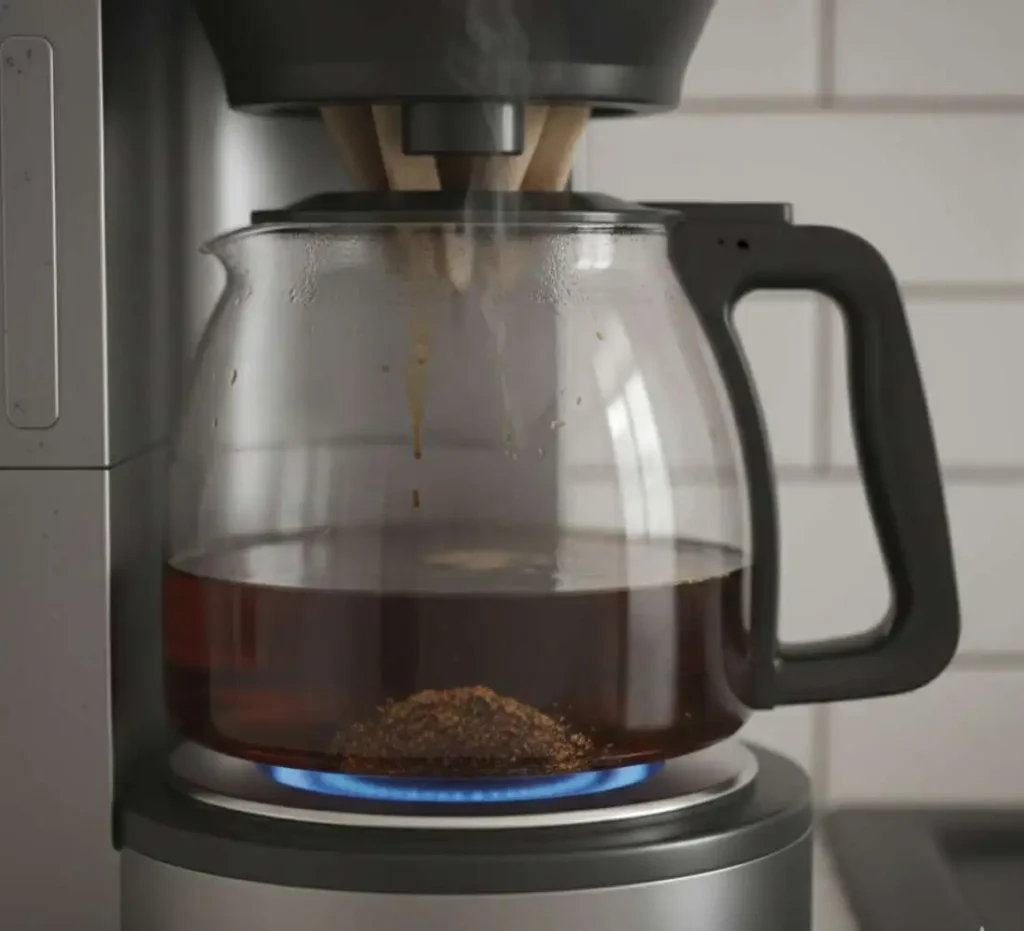
A few small habits can make a big difference no new machine needed. I’ve spent years trying to stretch out the life of my morning pot, and I found that you don’t need a fancy setup to keep your brew from going cold.
Preheating the Carafe
This is my number one secret. I learned this from a barista friend on a chilly Saturday morning in November. If you pour hot coffee into a cold glass or steel pot, the container steals the heat instantly.
- The Simple Trick: While my beans are grinding, I fill my carafe with hot tap water.
- Why it works: By the time the machine is ready, the carafe is already warm. When the coffee hits the vessel, it stays at its peak temperature instead of losing 10 degrees in the first ten seconds. It’s a small step that adds an extra 30 minutes of “perfect” heat to my morning.
Using Thermal Mugs
I stopped using ceramic mugs for my second cup a long time ago. Ceramic looks nice on a shelf, but it acts like a heat sink.
- Retention on the Go: I switched to a double-walled travel mug even when I’m just sitting at my desk.
- Better Than Reheating: Reheating coffee in the microwave is a flavor sin. It breaks down the aromatics and makes the drink taste “dusty.” A good thermal mug keeps my coffee hot for two hours, so I never have to touch that microwave button.
Turning Off the Hot Plate at the Right Time
If you use a drip machine with a glass pot, the hot plate is your friend for exactly 20 minutes. After that, it becomes the enemy of flavor.
- Preserve the Flavor: Once I’ve had my first cup, I usually turn the plate off.
- Switch to Insulated Storage: If I have half a pot left, I pour it into a dedicated thermos. This “storage” method keeps the coffee hot using physics rather than electricity. It smells fresh and tastes bright, whereas leaving it on the plate would turn it into a bitter, burnt mess by noon.
Choosing the Right Coffee Maker for Heat Retention
If you are currently shopping for a new machine, keep heat in mind before you check out. I’ve realized that looking for a “thermal” option is almost always the better move for slow drinkers.
- What to look for: Seek out carafes labeled as “double-walled” or “vacuum insulated.”
- Smart Plates: If you prefer a glass pot, look for a machine that has adjustable heat settings for the plate. Being able to set it to “low” has saved many of my Sunday brunches from the dreaded burnt-pot smell.
Who Should Care Most About Coffee Heat Retention?
Not everyone needs their coffee to stay hot for hours. However, for some of us, heat retention is the difference between a great morning and a total letdown.
Office Users
If you work in a shared space, you know the “coffee lottery.” I remember an old job where the communal pot was brewed at 8 AM. If I got there at 9:30 AM, it was a toss-up between lukewarm water or bitter sludge.
- Long Meetings: I’ve lost count of how many times I poured a fresh cup, got pulled into a “quick” sync, and came back to a cold mug.
- Shared Machines: In an office, you need a machine that can handle multiple users over a long period. A thermal carafe is a hero here because it keeps the brew fresh for the late arrivals without burning it for the early birds.
Families
Mornings at my house can be a bit of a circus. Between getting the kids ready and finding lost keys, breakfast happens in shifts.
- Multiple Drink Times: My spouse wakes up at 6 AM, but I usually don’t grab my first cup until 7:30 AM.
- Busy Mornings: We don’t have time to brew three separate pots. Having a machine with great heat retention means the coffee is still steaming when the last person finally makes it to the kitchen. It saves us time and keeps the peace!
Slow Coffee Drinkers
I am a classic slow sipper. I like to savor my coffee while I read or plan my day.
- Taste Consistency: For me, the last sip should taste just as good as the first.
- The Room Temp Battle: If you take an hour to finish one mug, you are fighting a losing battle against the air in your room. Slow drinkers benefit most from insulated gear. It ensures that the flavor profile doesn’t “collapse” as the temperature drops.
Busy Morning Routines
Some days, my routine is “brew once, drink later.” I love the convenience of making a big batch while I’m making breakfast and then coming back for a refill after my first block of work.
| Lifestyle | Why Heat Matters | Best Gear Choice |
| The Remote Worker | Distractions are constant. | Vacuum-insulated mug. |
| The Commuter | Needs heat to last the drive. | Stainless steel travel tumbler. |
| The Weekend Relaxer | Wants a second cup hours later. | Large thermal carafe. |
I’ve realized that caring about heat retention isn’t being “picky.” It’s about making sure the coffee fits into your life, rather than you having to rush your life to fit the coffee.
Best Coffee Makers for Keeping Coffee Hot
If staying hot is your top priority, some machines clearly perform better than others. I have spent a lot of money on brewers that promised “piping hot” coffee only to end up with a lukewarm cup by my second pour.
Best Thermal Coffee Makers
In my experience, if you want coffee to stay hot without losing its soul, you have to go with a thermal carafe. These are the gold standard for anyone who doesn’t want to rush their morning.
- Why they excel: They use a vacuum-sealed, double-walled stainless steel design.
- My Real-Life Test: I once brewed a full pot on a Sunday morning before heading out for a two-hour hike. When I got back, the coffee was still at a perfect 145°F. Because there is no hot plate “cooking” the liquid, that last cup tasted just as sweet and bright as the first one I had at sunrise.
Best Drip Coffee Makers with Smart Hot Plates
I know some people still love the look of a glass pot. If that’s you, look for a machine with a “smart” hot plate.
- Controlled Heating: Instead of a burner that stays at one scorching temp, these machines let you choose.
- My Favorite Feature: I used a model last year that had a “low, medium, high” setting for the plate. By keeping it on “low,” I could keep the coffee warm for an hour without getting that nasty, burnt-rubber smell in my kitchen. It’s a great compromise for families who go through a pot quickly.
What to Look for Before Buying
Before you drop your hard-earned cash, check for these three things. I’ve learned to be picky about these details:
| Feature | Why I Look For It | My Experience |
| Insulation Quality | Keeps heat in naturally. | Cheaper “metal” pots aren’t always vacuum-sealed. Check the label! |
| Auto Shut-Off | For safety and flavor. | I look for a 2-hour limit. It saves my coffee (and my house). |
| Carafe Design | Prevents heat leaks. | A thick, tight-sealing lid is a must. If it feels flimsy, the heat will escape. |
I always tell my friends: don’t just buy for the “brew.” Buy for the “hold.” A machine that makes great coffee but can’t keep it hot is just a teapot with extra steps.
Frequently Asked Questions
These are the questions I hear most often from friends after their first pot of the day goes cold. I’ve asked these same things myself while staring at a lukewarm carafe on a rainy Tuesday.
How long can coffee stay on a hot plate safely?
From what I’ve seen, you shouldn’t push it past two hours. Most modern machines have a built-in timer that cuts the power then. While it might be “safe” from a fire standpoint, your taste buds will disagree much sooner. Personally, I find that after 45 minutes, the heat starts to turn the brew into something quite unpleasant.
Is it okay to leave coffee in the coffee maker?
I’ve been guilty of leaving a half-pot in the machine until the next morning, but I don’t recommend it. If it sits on a hot plate, it evaporates and leaves a sticky, burnt film. If it sits in a thermal carafe, it stays safe, but the flavor goes flat. Plus, cleaning a pot with 24-hour-old coffee residue is a chore nobody wants on a busy Monday.
Does reheating coffee ruin the taste?
In my experience, yes. Using a microwave or the stove to reheat cold coffee is a one-way trip to Bitter Town. It breaks down the delicate flavors that make coffee great. I used to try to “save” my cups this way, but now I’d rather just brew a fresh single cup or pour the cold stuff over ice.
Which coffee maker keeps coffee hottest the longest?
Hands down, a high-quality thermal carafe coffee maker wins this battle. I’ve tested models that keep the liquid at a drinkable 140°F for nearly four hours. Because it uses a vacuum seal instead of a burner, you get long-term heat without the burnt aftertaste.
Is thermal coffee better than hot plate coffee?
I think so. While a hot plate coffee maker is great if you drink the whole pot in 15 minutes, thermal is better for almost everyone else. It preserves the aroma and prevents the “cooking” effect. If you value a clean, bright taste that lasts through a long morning of emails, thermal is the way to go.
| Question | Quick Answer | My Personal Rule |
| Max Time? | 2 Hours | 45 Minutes max on a plate. |
| Reheat? | No | Just brew fresh or make it iced. |
| Longest Heat? | Thermal Carafe | Use a preheated thermal pot. |
Final Verdict: So, How Long Does Coffee Stay Hot?
The answer depends less on the coffee itself and more on how you brew and store it. After years of chasing the perfect morning cup, I’ve realized that time is the enemy of taste.
Quick Recap
If you take away nothing else from my experiments, remember these general timelines. I’ve found these to be true whether I’m working from my kitchen table or a busy office.
- Drip with Hot Plate: You get about 45 minutes of good flavor. After an hour, you’re drinking burnt beans.
- Thermal Carafe: You can easily get 2 to 4 hours of high-quality, drinkable heat.
- Single-Serve Pods: Drink it in 20 minutes or get ready for a cold sip.
Best Option for Most Users
If you are like me and tend to get distracted by life, go with a thermal carafe. Last Tuesday, I brewed a pot, got caught up in a project, and totally forgot about it. Two hours later, I poured a cup that was still steaming and tasted delicious. You just can’t get that kind of consistency from a glass pot on a burner.
Final Recommendation
Choosing the right gear comes down to how you drink.
- Choose a Hot Plate if: You have a big family or an office where a pot disappears in 15 minutes. It’s cheap, classic, and works well for high-volume drinking.
- Choose a Thermal Carafe if: You are a slow sipper or a solo drinker. It is the only way to preserve the delicate notes of the coffee without the risk of a burnt aftertaste or a fire hazard.
For me, the peace of mind of a thermal pot is worth every penny. It allows me to enjoy my morning at my own pace, one hot sip at a time.