I remember the exact morning my old drip machine sputtered and died, leaving me with a lukewarm cup of disappointment.
At its core, a coffee maker is an electrical or manual brewing device designed to extract flavor from beans using water and heat. Finding the right one depends entirely on your daily routine, whether that’s a quick morning fix or a slow, mindful extraction ritual.
Let us dive into the different types, their mechanics, and how to get the absolute best out of your setup.
Understanding What a Coffee Maker Is and How It Works
A coffee maker is essentially a heat-and-extraction system designed to transform roasted beans into a hot beverage. Let’s look at the basic mechanics behind the magic.
To understand what a coffee maker does, we have to look at the process of water extraction. Hot water dissolves the soluble compounds within the coffee grounds, releasing oils, acids, and sugars. If the water is too hot, the coffee tastes bitter and burnt. If it is too cool, the cup is sour and underextracted.
According to a Consumer Reports buying guide, the heating element is the most critical component for maintaining the ideal temperature range of 195°F to 205°F. I always recommend checking the heating mechanism before purchasing any countertop brewer.
To dive deeper into the basics of the heating cycle and internal components, you can read my guide on what a coffee aker is and how it works.
[IMAGE: A diagram showing the internal mechanics of a drip coffee maker with arrows pointing from the water reservoir to the heating element and then to the brew basket.]
Understanding this balance is crucial. Let us break down the primary mechanics of how water flows through an automated system:
- The Reservoir: Holds the cold water before brewing begins.
- The Heating Element: Often an aluminum tube wrapped in a heating coil that boils the water rapidly.
- The One-Way Valve: Pushes boiling water upward through a vertical tube.
- The Showerhead: Sprinkles the hot water evenly over the coffee grounds.
Historically, the automatic drip machine changed the way Americans made coffee in the 1970s by eliminating the need for manual boiling. Today, we have everything from basic thermal pots to smart Wi-Fi-connected coffee makers.
Different Types of Filter Baskets
When you look at drip machines, the shape of the brew basket plays a huge role in extraction.
- Cone-shaped baskets: These create a deeper bed of coffee, extending the contact time between water and grounds. This profile works well for light roasts and single-origin beans.
- Flat-bottom baskets: These create a shallower, wider bed. The water drains more quickly, reducing extraction time. This is excellent for traditional dark roasts where bitterness is a concern.
Drip Coffee Makers: The Everyday Workhorse
Traditional drip machines remain a staple in millions of kitchens because they offer unparalleled convenience for brewing multiple cups at once. I still keep one on hand for busy Monday mornings.
These machines use gravity and heat to pass water over paper-filtered or permanent metal-filtered grounds. The first time I used a high-end programmable drip machine, I was amazed at how a simple showerhead design improved flavor extraction compared to a basic drip hole.
If you want to understand the exact mechanics of these machines, you can read my post on how a coffee maker works.
How to Maintain Your Drip Machine
Keeping your machine clean is just as important as the beans you buy. Mineral buildup can slow down the brew cycle and alter the taste of your coffee.
- Descaling: Run a mixture of equal parts white vinegar and water through the machine once a month.
- Cleaning the Carafe: Use warm water and mild soap to wash the carafe daily to prevent coffee oils from turning rancid.
- Replacing Filters: If using paper filters, make sure they are wet slightly before adding the grounds to remove any papery taste.
Choosing Between Glass and Thermal Carafes
Glass carafes sit on a heating plate, which keeps the coffee hot but can scorch it if left on too long. Thermal carafes use double-walled stainless steel to trap heat without continuous electrical heating, ensuring the flavor profile remains stable for hours.
[IMAGE: A clean, modern drip coffee maker sitting on a marble countertop with a cup of coffee nearby.]
How to Use a French Press for Rich Flavor
The French press relies on total immersion, resulting in a heavier, fuller-bodied cup than paper-filtered machines. Wait—there’s a catch here: you have to deal with the grit if you press too quickly.
Immersion brewing allows oils and micro-grounds to remain in the cup, giving it that characteristic bold flavor. According to the [LINK: Craft Coffee brew guide], using a proper ratio is essential when you want a rich, consistent brew.
Let’s walk through the exact steps for how to use a french press without creating a muddy cup:
- Grind the beans: Use a coarse grind, similar in texture to sea salt. A fine grind will bypass the mesh filter and ruin your morning cup.
- Measure the coffee: Weigh out 30 grams of coffee for every 500 grams of water.
- Pour the water: Add hot water that has rested off the boil for a minute, ensuring all grounds are saturated.
- Steep: Place the lid on the pot, keeping the plunger pulled up. Let it sit for exactly four minutes.
- Plunge slowly: Apply steady, even pressure down. Do not force it if you feel resistance.
Why Grind Size Matters
Because the grounds steep directly in the water, a coarse grind prevents over-extraction. In my experience, a burr grinder provides the most uniform particle size for this method. If you use a blade grinder, you end up with a high volume of “fines” (micro-dust), which slip through the metal mesh and leave an unpleasant sludge at the bottom of your mug.
The Science of Immersion Brewing
Unlike a drip machine where water continuously flows over and washes the coffee, a French press holds the water and coffee together for the entire brewing period. This extracts different volatile organic compounds and lipids that are normally absorbed by paper filters, resulting in a creamier, more textured mouthfeel.
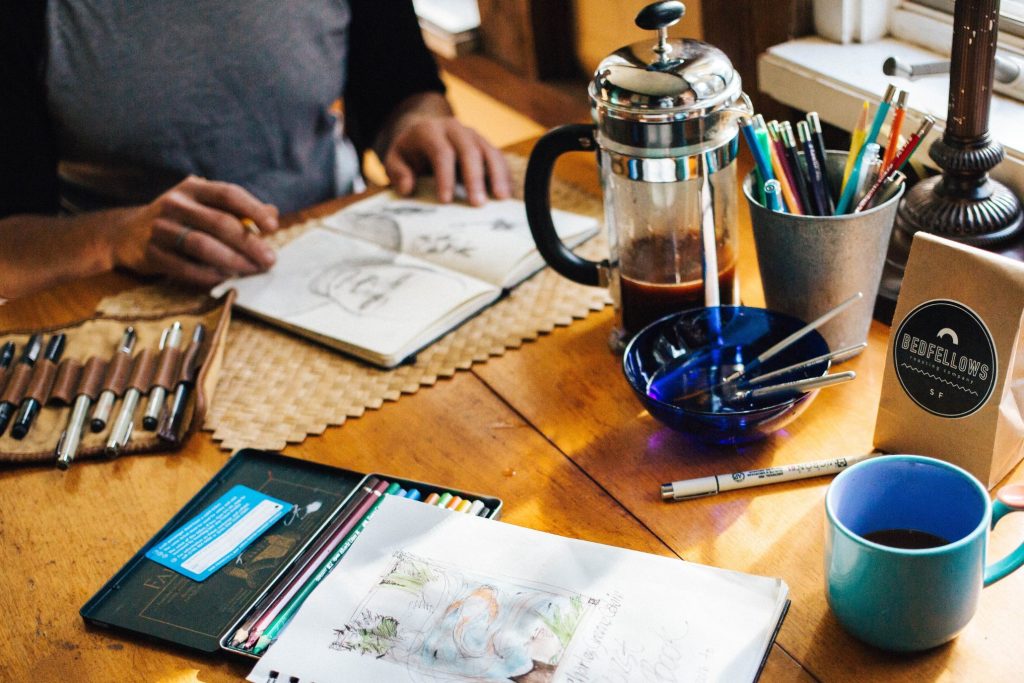
[IMAGE: A close-up shot of a stainless-steel French press being gently pressed down on a wooden kitchen counter.]
How to Use an Espresso Maker at Home
Espresso extraction requires high pressure and precise water temperature to pull a concentrated shot with a layer of crema. It took me months to dial in my grind size when I first bought a semi-automatic machine.
According to insights in the CoffeeGeek feature guide, understanding the relationship between grind size and tamp pressure is what separates a mediocre shot from an exceptional one. To learn about the specific inner workings of these devices, check out coffee maker parts explained for beginners.
Here are the steps on how to use an espresso maker:
- Dose and Grind: Grind 18 grams of fresh beans finely into the portafilter.
- Distribute and Tamp: Level the grounds with your finger or a distribution tool. Apply 30 pounds of pressure using a flat tamper.
- Lock the Portafilter: Insert it firmly into the group head and place your heated espresso cup underneath.
- Pull the Shot: Start the machine and watch the extraction. A perfect double shot takes about 25 to 30 seconds.
Common Espresso Mistakes
- Tamping unevenly: This causes channeling, where water finds the path of least resistance, leading to a sour shot.
- Using old beans: Without fresh beans, you will not get that thick, golden crema on top.
- Inconsistent grind: You should adjust your grind daily based on the humidity in your kitchen.
Pressurized vs. Unpressurized Portafilters
Beginner machines often use pressurized portafilters, which have a single small hole at the bottom to force foam generation, making it easier to get crema even with pre-ground coffee. Advanced machines use unpressurized baskets, which rely entirely on your grinder and technique to create resistance.
[IMAGE: An espresso portafilter locked into a group head with rich, dark espresso pouring into a small glass cup.]
How to Use a Keurig Coffee Machine
Pod machines deliver unmatched speed when you just want a single, consistent cup of coffee before rushing out the door. Actually, let me rephrase that: it is fast, though it lacks the nuance of freshly ground whole beans.
The Coffee Maker Machine guide from Made in China insights mentions that pod systems surged in popularity to meet the demands of modern, fast-paced users who want zero mess and quick cleanup.
Here are the steps for how to use a Keurig coffee machine:
- Fill the reservoir: Open the water reservoir and pour in fresh, cold water up to the fill line.
- Power on: Press the power button and wait for the heating indicator to stabilize.
- Insert the pod: Lift the handle and insert your selected pod into the chamber. Do not remove the pod’s foil lid.
- Brew: Close the lid firmly, select your cup size, and press the button.
- Discard the pod: Once the cycle finishes, open the lid and dispose of the pod safely.
You can read more about using these pod systems from the keuring official brewing tips.
Tips for Better Pod Coffee
Even with pod machines, small adjustments make a noticeable difference in your mug. I suggest running a hot water rinse cycle without a pod if the machine has been sitting idle for a few days. This clears out old residue and ensures your water is hot enough for proper extraction.
Environmental and Economic Considerations
Single-use pods create significant plastic and aluminum waste, which has drawn criticism from environmentalists. However, the introduction of reusable, fillable pods has allowed users to enjoy the convenience of the machine while using their own freshly ground beans, significantly reducing the cost-per-cup.
[IMAGE: A person using a Keurig coffee machine in a brightly lit, modern kitchen.]
Choosing the Right Machine for Your Lifestyle
Selecting the right brewer means balancing your desire for convenience against your love for the coffee-making craft. Here is how the top models compare based on my hands-on testing.
If you are trying to decide which device suits you best, consider how much time you have and what kind of taste profile you prefer. A machine that creates a fantastic espresso might be frustrating if you just want a large mug of black coffee to sip during a long meeting.
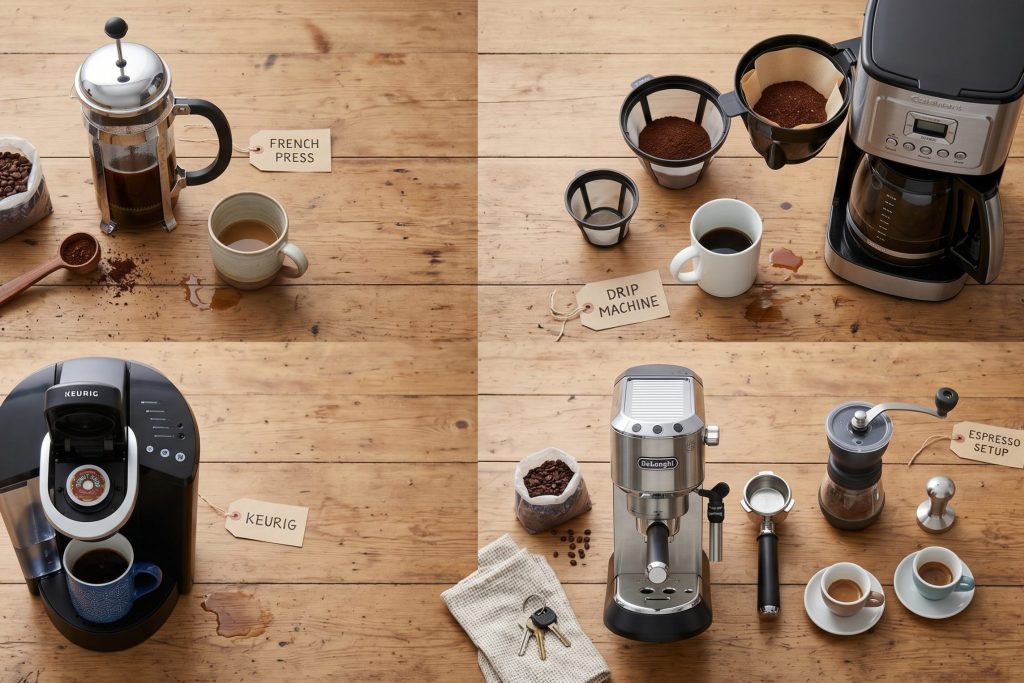
Let’s compare the main options side by side:
| Type of Brewer | Best For | Ease of Use | Clean-up Time |
| Drip Coffee Maker | Households needing large batches | High | 2–3 minutes |
| French Press | Rich, full-bodied coffee lovers | Medium | 4–5 minutes |
| Espresso Maker | Strong, concentrated coffee shots | Low | 5–10 minutes |
| Keurig Coffee Machine | Quick single-cup convenience | Very High | Less than 1 minute |
Honestly, my favorite setup is having both a manual brewer for the weekends and a faster machine for weekdays. You don’t have to limit yourself to just one brewing method.
Modern Technological Trends (2026 Update)
As we look at the current market in 2026, manufacturers are integrating smart home features into even the most basic coffee makers. You can now use voice assistants or mobile apps to schedule your brew, set exact water temperatures down to the degree, and monitor the water filter’s lifespan from your phone.
Frequently Asked Questions
How often should I clean my coffee maker?
You should clean the brew basket, filter, and carafe daily with warm, soapy water. Descaling the internal heating element should be done with vinegar or a commercial descaling solution every one to three months, depending on your local water hardness.
What is the best water temperature for brewing?
The ideal brewing temperature for coffee is between 195°F and 205°F. Water that is too hot produces a bitter, burnt taste, while cooler water leads to a sour cup.
Can I use espresso beans in a regular drip coffee maker?
Yes, you can. Espresso beans are simply roasted beans ground differently. Just ensure you grind them to a medium coarseness rather than a fine powder to avoid clogging the drip machine filter.
Why is my coffee tasting bitter?
Bitterness usually results from over-extraction, water that is too hot, or beans roasted too darkly. Try using a slightly coarser grind or cooler water to see if the taste improves.
Should I grind my own coffee beans at home?
Yes, grinding just before brewing preserves volatile oils and aromas. Pre-ground coffee oxidizes quickly, leading to a flat, stale taste within days. A basic burr grinder is a worthwhile investment.
Finding the best coffee maker comes down to matching the machine with the time you have and the flavor you crave.
I always tell friends to start with a basic pour-over or French press before investing in high-end, expensive equipment.
The journey to a perfect morning brew should be enjoyable, not stressful.