You don’t need a machine to make a good cup of coffee; people have been doing it over open fires for centuries. If you’ve got ground coffee, water, and a pot, you’re already most of the way there. I learned this firsthand recently when my brother came back from vacation and handed me a bag of excelsa-robusta ground coffee. I had no coffee maker, wasn’t even much of a coffee drinker, and didn’t want to waste it. So I figured it out. Here’s what actually works.
What You Need to Know Before You Start
Before diving into the methods, a quick word on ratios. This tripped me up the first time. Most guides say “use one tablespoon per cup,” but that’s vague; it depends on grind size, how strong you like it, and the method you’re using.
A more reliable starting point:
- Standard strength: 1 tablespoon of grounds per 5–6 oz of water
- Strong cup: 1 tablespoon per 4 oz
- Camping/boiled coffee: use 1.5 oz of water for every 1 oz of final coffee you want (to account for evaporation and absorption)
One more thing, water temperature matters more than people think. Boiling water (212°F / 100°C) is actually slightly too hot for ideal extraction. The sweet spot is around 195–205°F. If you’re boiling water in a pot, just take it off the heat and count to 10 before adding your grounds. That small pause makes a real difference in flavor, especially with a robust coffee like the excelsa-robusta I was working with.
What Is a Coffee Maker? How does a coffee maker work?
Method 1: Cowboy Coffee (The Simplest Way)
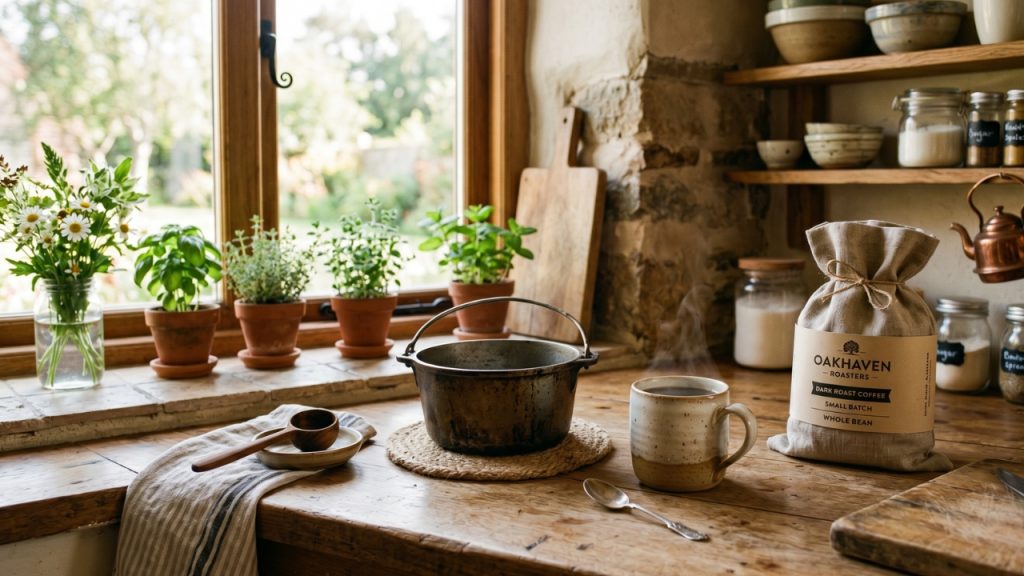
This is the most no-fuss method to make coffee without a machine, just a pot, water, and grounds. Cowboys brewed coffee this way over campfires with nothing but cheesecloth for filtering. You don’t even need that.
What you need:
- A small saucepan or pot
- Ground coffee
- Water
- A mug
- A ladle or fine strainer (optional but helpful)
Steps:
- Measure your water about 13 oz if you want a 12 oz cup (the extra accounts for evaporation and absorption).
- Add water and coffee grounds to the pot together. Don’t heat them separately.
- Bring to a boil over medium-high heat.
- About 45 seconds after it starts boiling, stir it. This loosens the grounds stuck to the sides.
- Let it boil uncovered for about 2 minutes, then remove from the heat.
- Wait 3–4 minutes. The grounds will sink to the bottom on their own.
- Pour very slowly into your mug. The slower you pour, the less sludge ends up in your cup.
Honestly, I was surprised how drinkable this was on the first try. The key is patience at the end if you rush the pour, you’ll get a gritty mouthful and that’s no fun for anyone. If you have a ladle, skim the top layer first before pouring.
Wait there’s a catch here. Excelsa-robusta blends tend to be strong and slightly bitter. If you’re using something like that, err on the side of less coffee the first time (1 tablespoon per 6 oz) and work your way up. Robusta especially has nearly twice the caffeine of arabica, so you’ll feel it.
Method 2: Turkish Coffee (Small Cup, Big Flavor)
Turkish coffee isn’t a type of bean; it’s a brewing method, and one of the oldest in the world. It’s popular across Arab countries, Eastern Europe, and the Middle East, and it produces a small, intensely flavored cup. Think of it like espresso’s less fussy cousin.
The traditional vessel is called a cezve (or ibrik), but a very small saucepan works fine.
What you need:
- A very small pot or saucepan
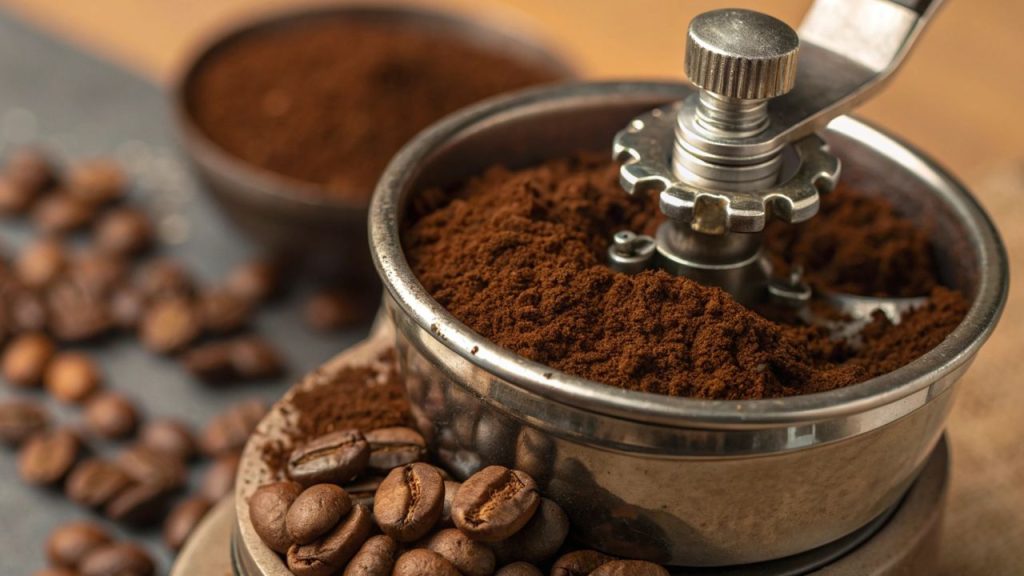
- Finely ground coffee (this matters the finer the better)
- Cold water
- Sugar (optional, but traditional)
Steps:
- Use cold water about 3 oz per serving.
- Add 1 heaping teaspoon of finely ground coffee per 3 oz of water. Add sugar now if you want it (1 tsp is standard).
- Stir to combine, then place over low heat. Do not stir again after this point.
- Watch it closely. You want it to heat slowly and form a foam on top. Just before it boils, remove it from heat.
- Let the foam settle for 30 seconds, then return to heat. Repeat this 2–3 times.
- Pour gently into a small cup or espresso cup. Let it rest 1–2 minutes before drinking so the grounds settle.
The result is thick, strong, and aromatic. It’s not a large drink typically 2–3 oz but it delivers. If your grounds aren’t fine enough, the texture will be grittier and the flavor weaker. A coarser pre-ground coffee (like what you’d use in a drip machine) will still work, but the result is less traditional and a bit thin.
Coffee Maker Parts Explained for Beginners
Method 3: The Coffee Bag Method (DIY Tea Bag)
This is genuinely my favorite of the three methods because it produces the cleanest cup no sludge, no sediment, no mess. Think of it exactly like making tea, just with coffee grounds.
After my first cowboy coffee attempt, I picked up a small pack of drip filters for under $10 at a grocery store. But before those arrived, I improvised with a paper towel and some kitchen twine. Both work.
What you need:
- A coffee filter (or paper towel, folded)
- String or a rubber band
- A mug
- A kettle or pot
Steps:
- Lay the filter flat and add about 2–2.5 tablespoons of ground coffee to the center.
- Gather the edges up like a little pouch it should look like a dumpling or a tea bag. Tie it tightly with string so no grounds escape.
- Place the pouch in your mug.
- Boil your water, then let it sit for 10 seconds off the heat.
- Pour just enough water over the bag to wet all the grounds. Let it soak for 30 seconds.
- Fill the mug with the remaining water.
- Let it steep for 4 minutes. 5 minutes for a stronger cup.
- Remove the bag, squeeze it gently against the side of the mug, and discard.
The filter does all the work a coffee maker would do. No grit, no bitterness from over-extracted grounds. This is the method I’d recommend to anyone who wants to make coffee without a coffee pot. Regularly, it’s practically foolproof.
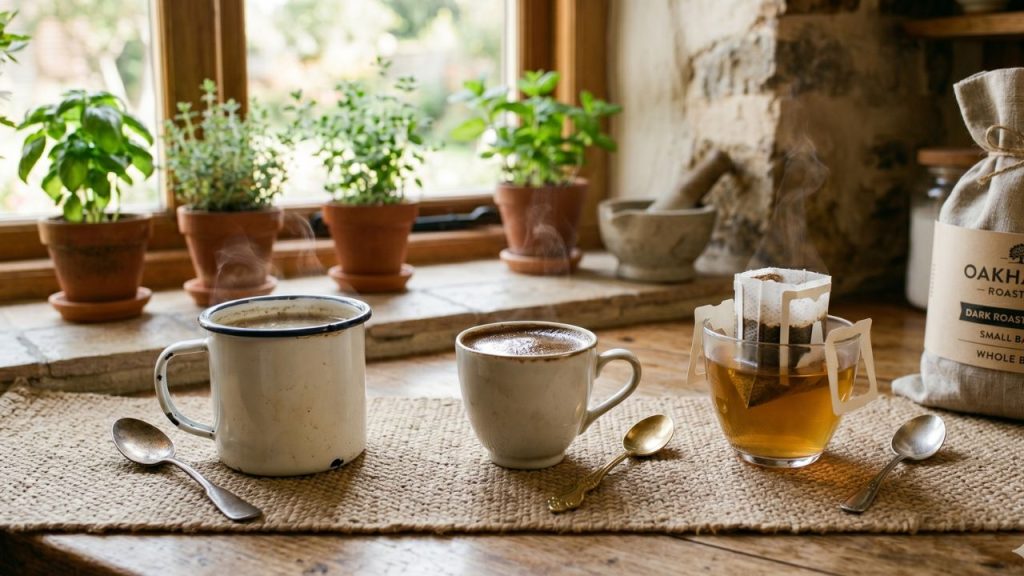
[IMAGE: A handmade coffee pouch tied with kitchen twine sitting in a ceramic mug, being filled with hot water]
Which Method Actually Tastes Best?
Short answer: the bag method, every time. The cowboy method is best when you’re genuinely camping or have absolutely nothing else available. Turkish coffee is its own experience it’s not trying to replicate a drip coffee, it’s doing something completely different, and it’s worth trying at least once.
Here’s a quick comparison:
| Method | Flavor Clarity | Equipment | Effort | Best For |
|---|---|---|---|---|
| Cowboy Coffee | Low (some grit) | Just a pot | Low | Camping, absolute minimum gear |
| Turkish Coffee | Medium-high | Small pot | Medium | Strong, concentrated cup |
| Coffee Bag | High (clean cup) | Filter + string | Low-medium | Best everyday alternative |
If you’re working with a strong blend like excelsa-robusta, which has earthy, wine-like notes from the excelsa and the body and punch of robusta, the bag method will let you actually taste those flavors. Boiling it cowboy-style with a coarse grind tends to mute the nuance.
Coffee flavor profiles explained link to a credible coffee resource about excelsa and robusta beans.
A Few Things That’ll Improve Any Method
These small tweaks make a noticeable difference regardless of which method you use.
Use filtered water if you can. Tap water with a lot of chlorine or minerals will affect the flavor. I noticed this when I tried the same grounds with filtered water versus straight tap cleaner taste, same method.
Store your grounds properly. Ground coffee oxidizes fast. If you’re not going to use the whole bag within 1–2 weeks, seal it airtight and keep it away from light and heat. The fridge is fine; the freezer is even better for long-term storage, according to the National Coffee Association’s storage guidelines.
Don’t reuse grounds. I tried it once out of curiosity. The second brew was watery and flat all the soluble compounds that give coffee its flavor and caffeine are extracted in the first steep.
Grind size matters. If you have pre-ground coffee, you’re working with what you’ve got. But for future reference: coarser grinds work better for cowboy coffee (slower extraction), finer grinds suit Turkish coffee (fast, intense extraction), and medium grinds are ideal for the bag method.
FAQ
Can I use instant coffee with these methods?
No, instant coffee is already brewed and dehydrated. These methods are for regular ground coffee. Just dissolve instant in hot water and you’re done.
How do I make coffee without a filter at all?
Cowboy coffee is your best bet no filter needed. Just boil, rest, and pour slowly. The grounds sink naturally if you give them 3–4 minutes.
Will this work with any type of ground coffee?
Yes, though grind size affects results. Pre-ground drip coffee works fine for all three methods. Very coarse grinds suit boiling methods; finer grinds work better for the bag or Turkish method.
How do I know when the coffee is strong enough?
Steeping time is your main lever. More time = stronger, but also more bitter. Start with 4 minutes for the bag method and adjust from there. Taste it before you decide it’s done.
Is cowboy coffee safe to drink with grounds in it?
Yes, coffee grounds aren’t harmful. They’re just unpleasant in texture. Pour slowly and most will stay at the bottom. A fine mesh strainer or ladle helps significantly.
Conclusion
Making coffee without a coffee maker is genuinely doable, and in some cases like with the bag method, the result is surprisingly good. If I had to pick one to recommend for everyday use, it’s the coffee bag method: cheap, clean, and practically zero learning curve. The cowboy method works when you’re really in a pinch. And Turkish coffee is worth trying at least once just to understand what coffee tasted like before machines took over. Start with less coffee than you think you need, pay attention to steep time, and don’t rush the pour.