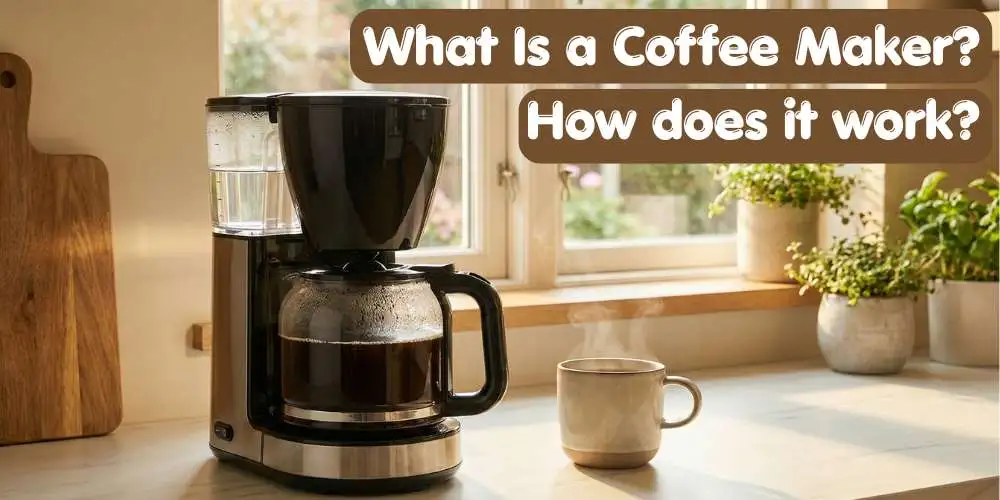

Short answer: Almost, but not quite. A typical drip coffee maker heats water to about 195–205°F (90–96°C), which is just below the boiling point of 212°F (100°C) at sea level. That is hot enough for tea, instant oatmeal, instant noodles and cocoa, but it is not a reliable way to get a rolling boil.
How Hot Does the Water Get in a Coffee Maker?
Coffee makers are built to brew at a specific temperature, not to boil. Brewing guidelines for drip coffee put the ideal water temperature at roughly 195–205°F, and most machines are designed to land in that window. Water boils at 212°F (100°C) at sea level, and at a lower temperature the higher up you live. So the hot water from a coffee maker is close to boiling, but usually a few degrees short.
The exact number depends on the model, its age and how much scale is built up inside. To find out what your own machine does, run a cycle with plain water and check the water in the carafe right away with an instant-read thermometer.
How Does a Coffee Maker Heat Water?
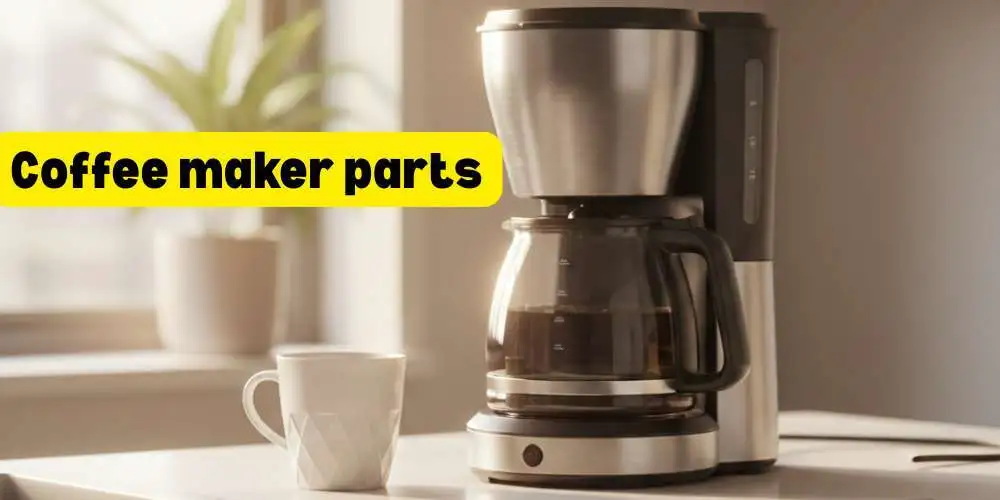
Most drip machines have a small heating element under the reservoir and a narrow tube that the water flows through. The element heats the water in that tube, and the bubbles that form push the hot water up to the showerhead, which sprays it over the coffee grounds. The water spends only a short time in the tube and loses some heat on the way to the cup, so it arrives slightly below boiling. Pod machines use a small heater in a similar way, and espresso machines heat water in a boiler or thermoblock to a controlled temperature.
What You Can (and Can’t) Do With Coffee Maker Hot Water
It works well for:
- Tea and herbal tea
- Instant oatmeal
- Instant noodles and cup soup
- Hot chocolate and instant coffee
- Pre-warming a mug
It is not a good idea for:
- Pasta, rice or eggs. These need a large volume of water at a real rolling boil, which a coffee maker can’t deliver.
- Making water safe to drink. During a boil-water advisory, the CDC recommends a rolling boil for at least 1 minute (3 minutes above 6,500 feet). A coffee maker does not reliably reach or hold that.
- Heating anything except plain water. Never put milk, broth or soup in the reservoir.
How to Use a Coffee Maker to Make Hot Water
- Remove the filter and any coffee grounds from the basket. On a pod machine, take the pod out.
- Fill the reservoir with plain water, only as much as you need and never below the minimum line.
- Place a heat-safe mug or an empty carafe under the spout.
- Start a brew cycle and let it finish. Wait until the dripping stops.
- Use the water right away, since it cools quickly. Keep your hands and face away from the steam.
- If the water tastes like coffee, run one more cycle with fresh water to rinse out the oils.
Many pod machines also have a hot water setting or let you run a cycle without a pod. Check your manual for the exact steps. A drip machine takes several minutes to run a full pot, so it is slower than an electric kettle.
Safety Tips
- Use only water in the reservoir, and never run the machine with an empty tank.
- Stay clear of the spout and basket while it runs, because steam and hot water can burn.
- If your machine suddenly spits steam or gets much hotter than usual, unplug it. A failing thermostat can cause overheating, so don’t keep using it.
- Descale regularly. Scale builds up on the heater and can change how hot the water gets. See our guide on how often to clean your coffee maker.
Coffee Maker vs. Electric Kettle for Boiling Water
An electric kettle is built to bring water to a full boil and shut off on its own, usually within a few minutes for a liter. A coffee maker is slower, stops a little short of boiling, and can leave a faint coffee taste in the water. Use a coffee maker in a pinch, such as at the office or while traveling, and use a kettle or the stove for everyday boiling.
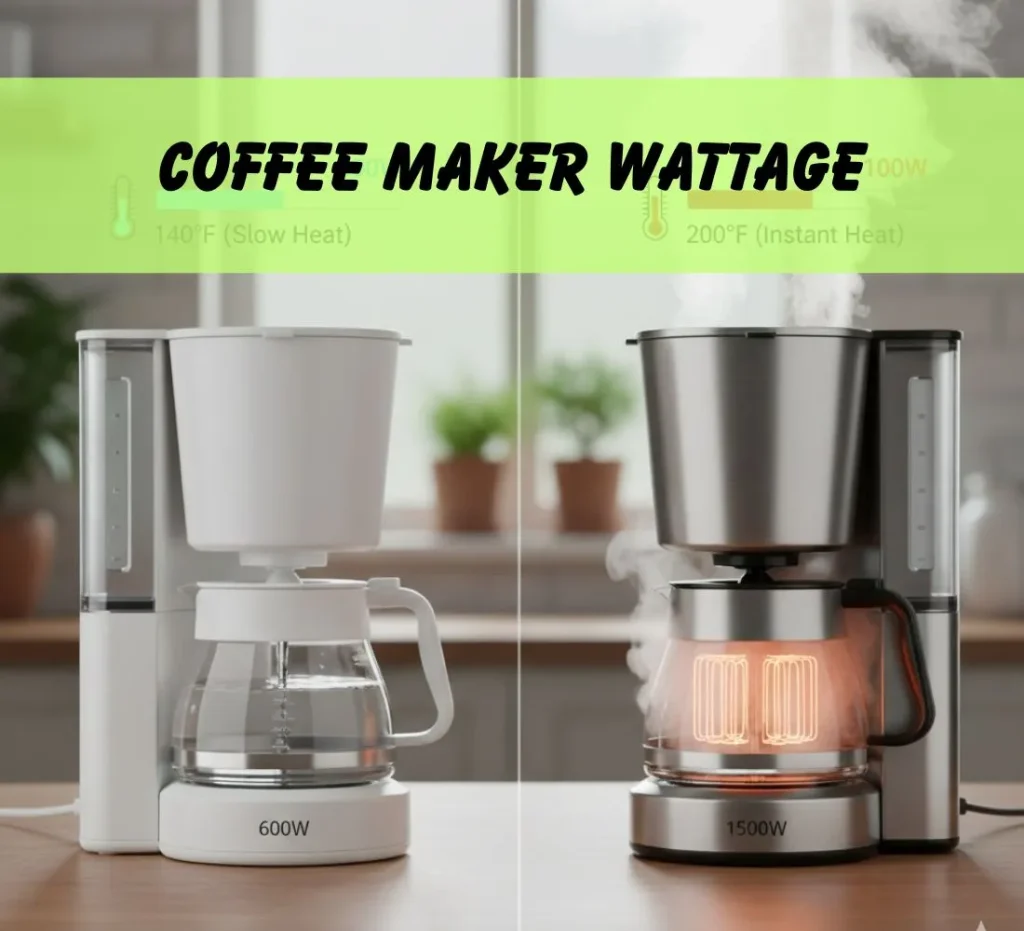
If you are curious about power use, most drip coffee makers run on about 900–1,200 watts. We break it down in our guide to coffee maker wattage and amps. To see where the heating element sits, check the parts of a coffee maker.
Frequently Asked Questions
Do coffee makers boil water?
Not fully. Most drip coffee makers bring water to about 195–205°F, which is just under the 212°F boiling point at sea level. The water gets very hot, but you shouldn’t count on a rolling boil.
Can you use a coffee maker to make hot water for tea?
Yes. Black and herbal teas do well with water this hot. Green and white teas prefer cooler water, roughly 160–185°F, so let the water sit for a minute or two before pouring.
How hot is the water in a coffee maker?
Usually 195–205°F as it comes out. It cools quickly in the carafe or mug, so use it right away. A thermometer is the only way to know your own machine’s exact temperature.
Can you cook pasta or boil milk in a coffee maker?
No. Coffee makers don’t hold a rolling boil, and only water should go into the reservoir. Use a pot on the stove or an electric kettle instead.
Can you put hot water in a coffee maker?
Most manufacturers recommend filling the reservoir with cold, fresh water. Check your manual before adding warm or hot water.
Does a coffee maker need to boil water to brew coffee?
No. Brewing works best at about 195–205°F. Water at a full boil can over-extract the coffee and make it taste bitter.
Can you make coffee in an electric kettle?
Yes, for pour-over or French press. Boil the water, then wait 30–60 seconds so it drops to around 200°F before pouring.
How often should you descale a coffee maker?
Every 1–3 months, or as often as your manual says. Do it more often if you have hard water. Scale on the heater can affect how hot the water gets.