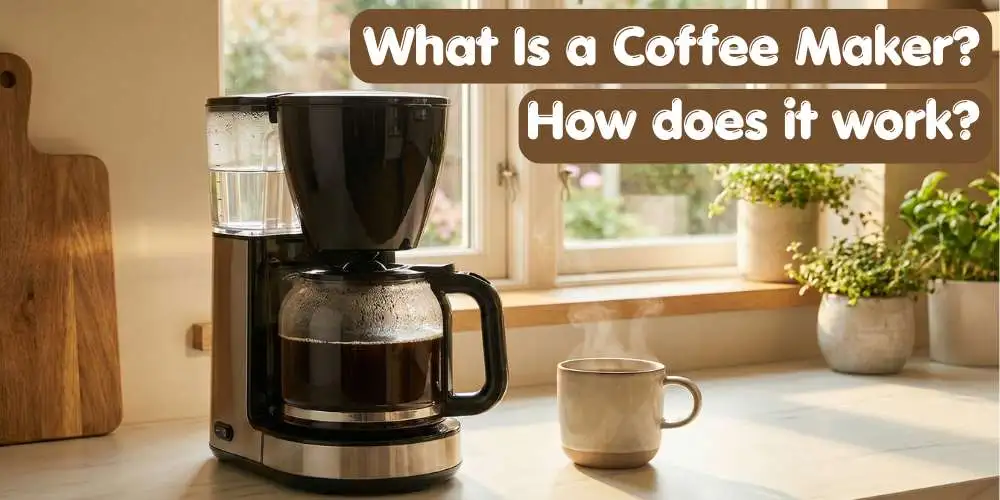
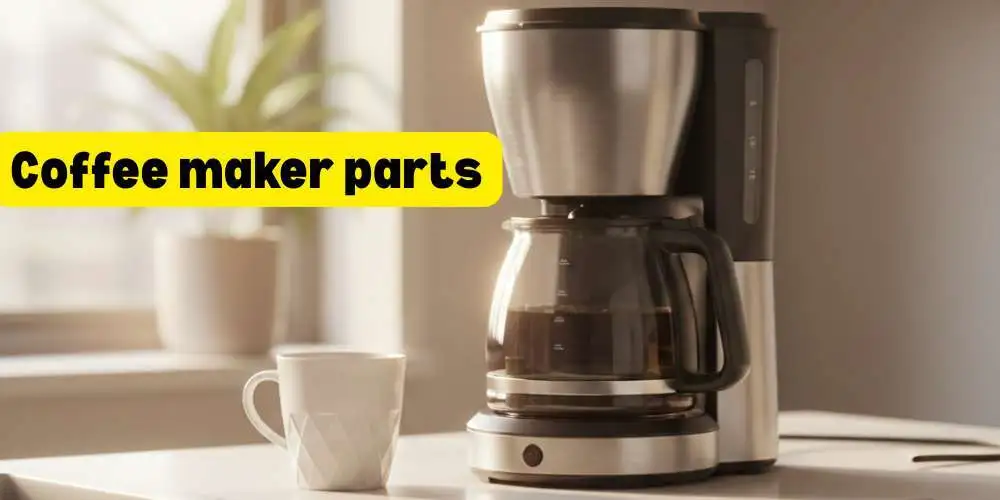
Picking between a drip coffee maker vs espresso machine really comes down to whether you want a quick pot for your morning commute or a bold latte for a slow weekend. In my years of testing the best types of coffee makers in my own kitchen, I have found that drip machines offer easy volume while espresso machines provide rich, café-style flavor. I have helped thousands of home brewers find their spark, so read my honest guide to see which machine earns a spot on your counter.
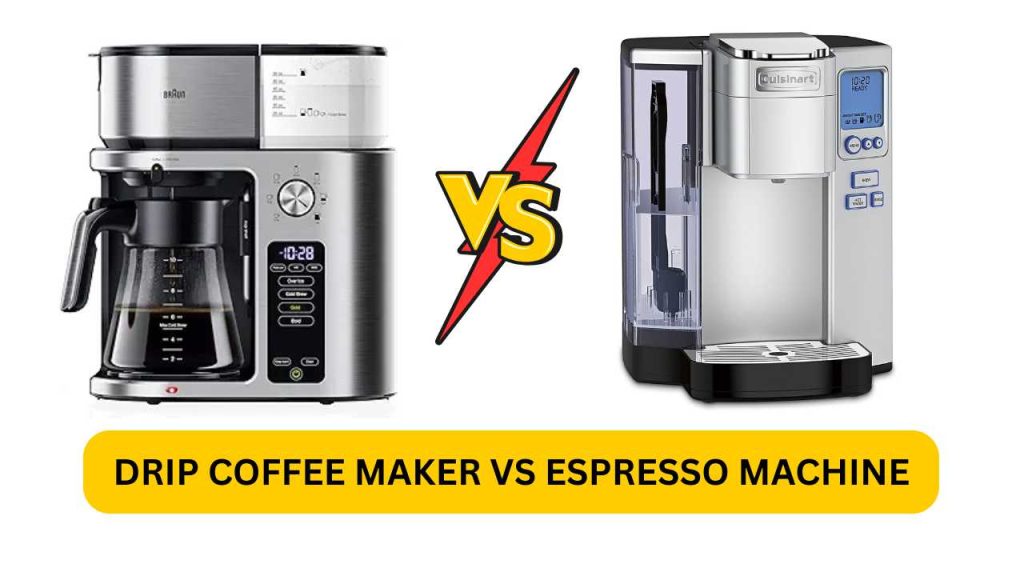
Drip Coffee Maker vs Espresso Machine: Which One Is Better for Your Daily Coffee?
On a busy Tuesday morning, I usually just need a coffee that works as hard as I do. But then Sunday rolls around. The rain hits the window, and suddenly, I want a slow ritual, a thick, velvety latte that feels like a hug in a mug.
If you’ve ever stood in the kitchen appliance aisle feeling stuck, I’ve been there. I used to think a coffee machine was just a coffee machine. I quickly learned that picking between a drip coffee maker and an espresso machine is actually about choosing how you want your morning to feel.
Why We Compare Them
It usually comes down to a battle between convenience and café-style quality.
- The Drip Coffee Maker: This is my “set it and forget it” friend. It uses gravity to pull hot water through a filter. It makes a large pot of smooth, light coffee while I’m busy getting dressed.
- The Espresso Machine: This is my “weekend hobby.” It uses high pressure to force water through fine grounds. It creates a tiny, intense shot of coffee topped with a golden layer of foam called crema.
At a Glance: The Daily Trade-off
| Feature | Drip Coffee Maker | Espresso Machine |
| Morning Vibe | Practical & Fast | Craft & Ritual |
| Effort Level | Low (Press a button) | High (Grind, tamp, steam) |
| Taste | Clean and Mild | Bold and Intense |
| Best For | The “Whole Pot” Drinker | The Latte Lover |
In my experience, the daily home brewing context is what matters most. A drip machine is amazing when you have three people in the house who all need a cup at 7:00 AM. It’s affordable and easy to clean. However, it can’t give you that punchy flavor experience of a real cappuccino.
On the flip side, an espresso machine makes your kitchen smell like a high-end Italian shop, but it costs more and takes a bit of practice to master. One requires almost no effort; the other requires a bit of soul.
What Is a Drip Coffee Maker?
Most of us have a long history with the drip machine. It’s the old, reliable friend sitting on the kitchen counter. For me, it was the first piece of gear I ever owned. It’s simple, it’s predictable, and it’s the ultimate comfort when I have a 7:00 AM Zoom call and zero brain power.
How a Drip Coffee Maker Works
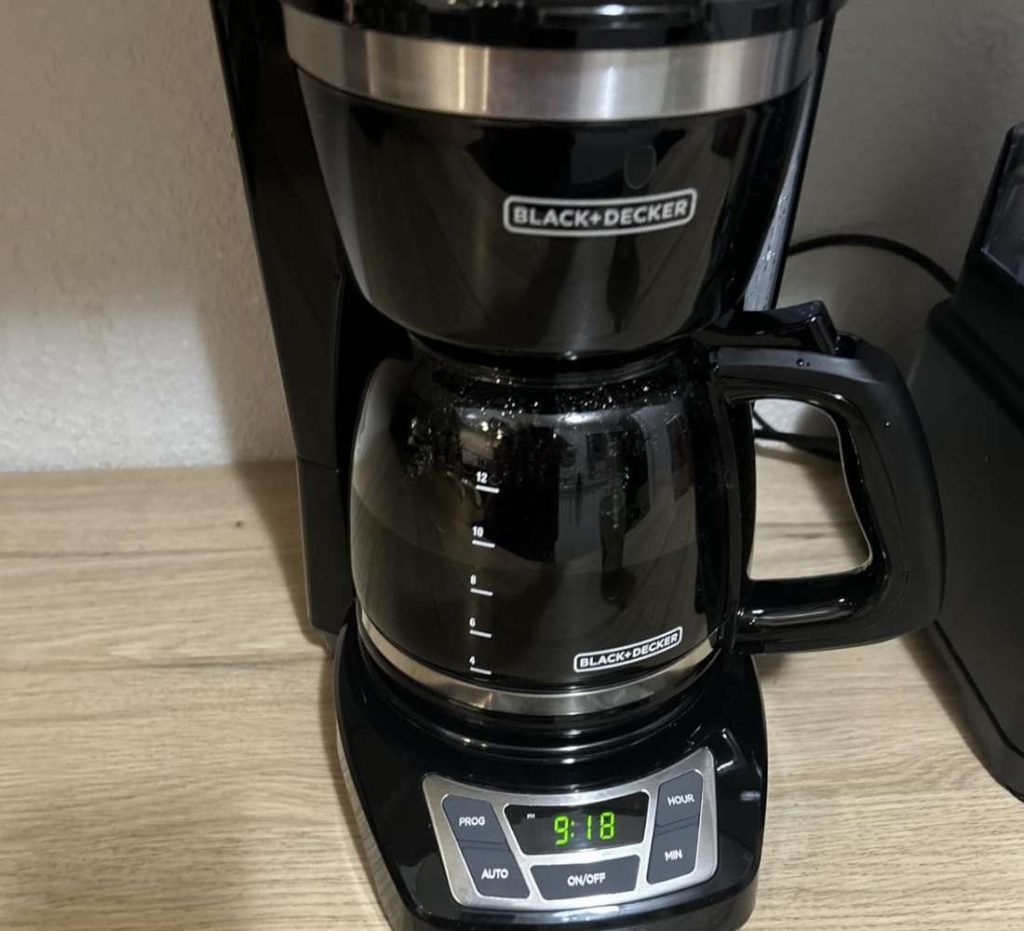
I love the simplicity here. This automatic coffee maker does the heavy lifting for you. You just pour water into the tank and add your grounds to the filter.
Inside, the machine heats the water until it bubbles up and showers over the coffee. Thanks to a basic gravity-based process, the water flows through the beans, picks up the flavor, and turns into filter coffee. It then drips slowly into a glass or thermal carafe. No fancy levers or high-pressure pumps, just physics making your breakfast better.
Typical Brew Time
If you are like me and need to serve a crowd or just want three cups for yourself, batch brewing is a lifesaver.
- Full Pot: Usually takes about 5 to 10 minutes.
- The Wait: While it isn’t instant, you can walk away to brush your teeth or find your keys while it works.
- Serving: It is ideal for families or when I have friends over for a casual brunch.
Coffee Strength and Flavor Profile
Don’t expect a thick, syrupy drink here. A drip machine gives you a smooth and lighter taste. Because the water passes through a paper or metal filter, it catches many of the oils. This leads to a very clean, balanced extraction.
I’ve found it works best with a medium grind coffee. If the grind is too fine, the water backs up; if it’s too coarse, the coffee tastes like tea. When you hit that “sweet spot,” you get a mild cup that you can sip on all morning long without feeling overwhelmed. It’s the “jeans and a t-shirt” of the coffee world classic and easy.
What Is an Espresso Machine?
If the drip machine is my reliable old car, the espresso machine is my weekend sports car. It’s loud, it’s a bit flashy, and it makes me feel like a pro. When I turn mine on, the sound of the pump humming and the steam wand hissing instantly turns my kitchen into a tiny, local café. It’s a hands-on ritual that I’ve grown to love.
High-Pressure Brewing Explained
The magic of an espresso shot isn’t just about the beans; it’s about the force. Unlike a drip machine that waits for gravity, this machine uses coffee pressure extraction.
It forces hot water through a tightly packed “puck” of fine grounds using about 9 bars of pressure. To give you an idea, that is roughly three times the pressure in your car tires! This intense force pulls out oils and flavors in just 25 seconds, creating a concentrated punch of coffee that a drip machine simply can’t match.
Espresso-Based Drinks
Once you have that perfect shot, the world is your oyster. I love that I can make all the drinks I used to pay $6 for at the shop:
- Latte: Mostly steamed milk with a shot of espresso.
- Cappuccino: Equal parts foam, milk, and coffee.
- Americano: Espresso topped with hot water (my go-to when I want a “long” drink).
- Flat White: Smooth, velvety milk over a double shot.
Flavor and Coffee Texture
The first thing I noticed when I switched to an espresso machine was the texture. It’s thick and syrupy. A good shot always has a layer of crema on top that beautiful, tan foam that holds all the aroma.
The taste is bold and much richer than regular coffee. It can be a bit intense if you drink it black, but that’s why it stands up so well when you add milk or ice. Whether you choose manual vs automatic espresso machines, the goal is the same: a short, strong drink that wakes up every single one of your taste buds.
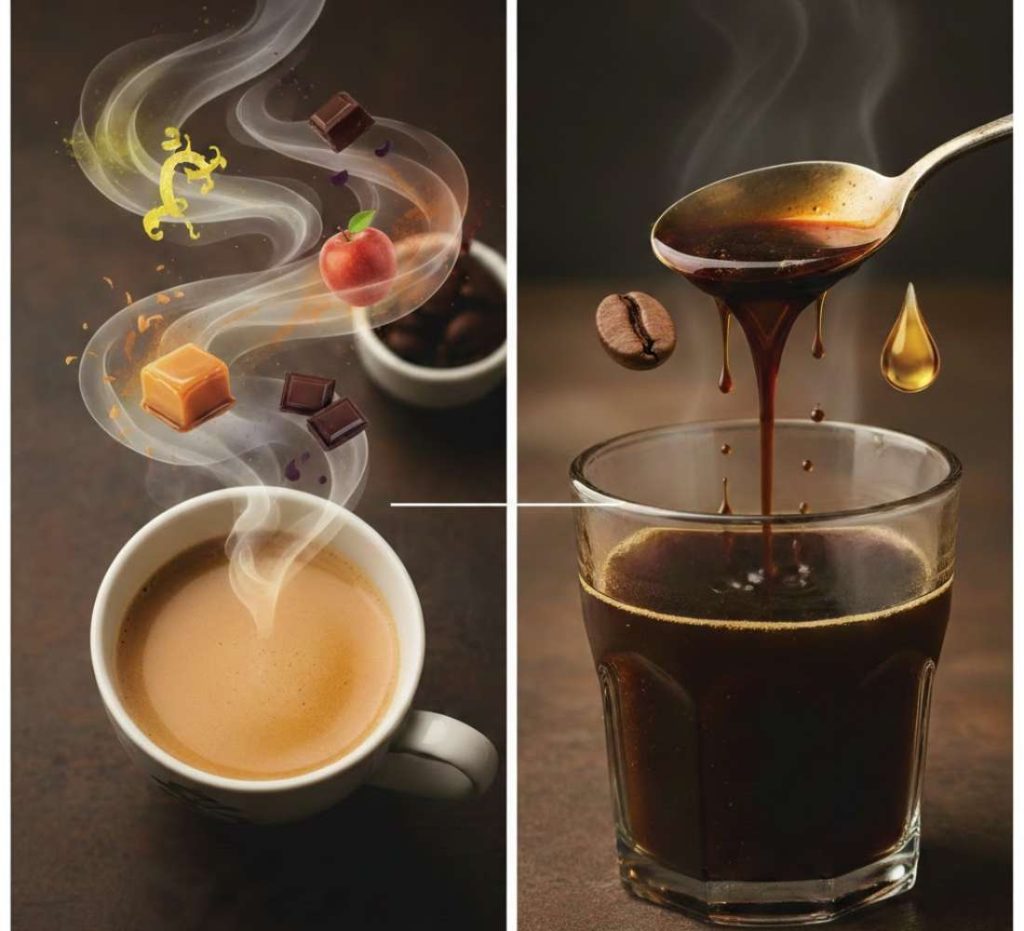
How Drip Coffee Makers and Espresso Machines Work (Side-by-Side)
When I first switched between these two, I was puzzled. Why did the same beans taste totally different? I realized that the “how” matters just as much as the “what.” Seeing them side-by-side helps clear up why a tiny espresso packs such a huge punch compared to a large mug of drip.
Brewing Method
The core difference is all about how the water meets the bean.
- Drip: This uses gravity filtration. Water flows through the grounds and falls into the pot. It’s a slow, gentle bath for the coffee.
- Espresso: This uses pressure extraction. The machine forces water through the coffee. It’s more like a power wash that strips every bit of flavor out in seconds.
Water Temperature
I used to think boiling water was best, but that actually burns the taste!
- Drip: Usually stays between 195–205°F. This high heat is needed because the water spends more time touching the grounds.
- Espresso: Stays slightly cooler at 190–200°F. Since the pressure is so high, you don’t need the water to be quite as hot to get a great result.
Pressure Level
This is the “secret sauce” of the espresso world.
- Drip: There is zero pressure here. Just the weight of the water.
- Espresso: It hits the coffee with about 9 bars of force. This is why you get that rich crema on top that smells so good.
Grind Size Required
In my kitchen, the grinder is the most important tool.
- Drip: I use a medium grind. It looks like sea salt. It lets the water pass through at just the right speed.
- Espresso: I use a fine grind. It feels like powdered sugar. If I used this in my drip machine, the water would get stuck and overflow!
The Sensory Experience
The smell in my house changes depending on the machine I use. When the drip machine is on, the scent is light, floral, and subtle. It fills the whole hallway slowly. But when I pull an espresso shot, the aroma is sharp, dark, and intense. It hits you right in the face in the best way possible.
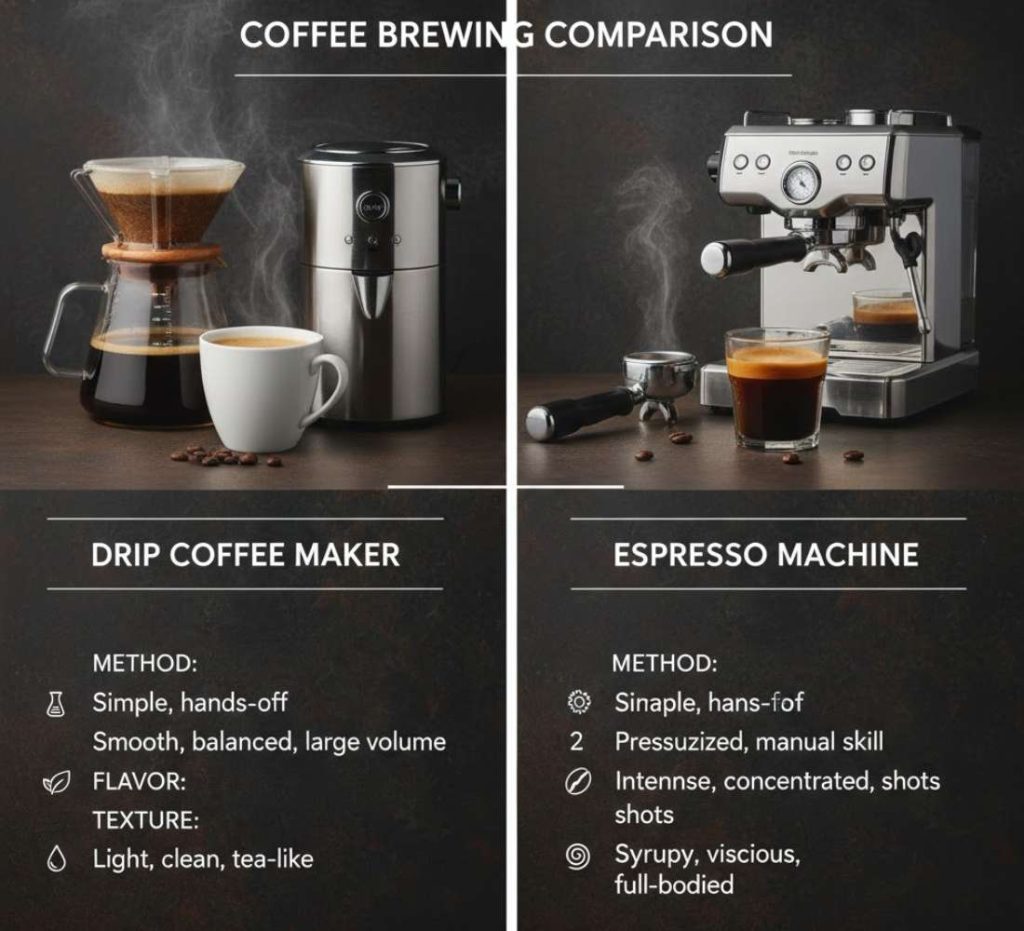
Feature Comparison Table: Drip Coffee Maker vs Espresso Machine
When I first started my home coffee journey, I felt lost in a sea of specs and numbers. I just wanted a good cup of joe! To help you avoid that same “analysis paralysis” I felt at the store, I’ve put together a quick cheat sheet. This table breaks down exactly what you’re signing up for with each machine.
Side-by-Side Comparison
| Feature | Drip Coffee Maker | Espresso Machine |
| Brewing Time | 5–10 minutes (for a full pot) | 20–40 seconds (per shot) |
| Coffee Strength | Mild to medium | Strong and concentrated |
| Ease of Use | Very easy | Moderate learning curve |
| Initial Cost | Low to medium | Medium to high |
| Maintenance | Low (Quick rinse) | Moderate to high (Deep cleans) |
| Best For | Daily home coffee | Café-style drinks |
My Actionable Insight
From my own trial and error, here is the truth: Choose based on your daily routine, not just your favorite flavor. I love a rich latte, but on a hectic Monday in the city, I don’t always have time to dial in a perfect shot. I learned that the hard way after running late too many times! If you need a large amount of coffee with zero stress, the drip machine is your hero. But, if you view your morning cup as a craft and want that bold, café-style kick, the extra effort of an espresso machine is worth every second.
Taste and Coffee Style Differences
Taste is where the biggest emotional split happens for me. Some mornings, I wake up and want a slow, smooth comfort. Other days, I need a strong wake-up punch just to find my shoes. Choosing between these machines is really about deciding which “vibe” your taste buds are craving at that exact moment.
Drip Coffee Flavor Profile
When I use my drip machine, the result is a smooth and light-bodied cup. Since the water spends more time with the grounds, it pulls out a wide range of subtle flavors.
- The Experience: It feels clean and crisp.
- Caffeine Flow: You get a less intense caffeine delivery per sip. This is great for those long drinking sessions where I want to nurse a large mug while I work.
- The Best Part: It never feels “heavy.” It is just pure, classic coffee that hits the spot without overwhelming the palate.
Espresso Flavor Profile
On the flip side, an espresso shot is a tiny explosion of flavor. It is bold and concentrated. Thanks to that high-pressure process we talked about, the texture is almost oily—in a good way!
- Crema: You get that rich crema texture on top that tastes slightly sweet and nutty.
- Aroma: The aroma is much stronger. Just one shot can fill my entire kitchen with a deep, toasted scent. It’s intense, earthy, and packs a massive punch in just one or two ounces.
Popular Drink Styles
Your choice often comes down to what you want to add to your coffee.
- Drip Styles: This machine is the king of black coffee. It’s also my go-to for making a big pitcher of iced coffee on a hot Saturday afternoon.
- Espresso Styles: If you love milk, you need espresso. It provides the strong base required for a latte, cappuccino, or mocha. Without that concentrated espresso core, a latte would just taste like warm, coffee-flavored milk.
Cost Comparison and Long-Term Value
When I first looked into building my home coffee station, my bank account gave me a reality check. I learned quickly that the price on the box is only part of the story. Between the machine, the beans, and the upkeep, your daily habit can cost a little or a lot.
Machine Price Range
Drip machines are very kind to your wallet. You can find a solid model for the price of a few fancy brunches. Espresso machines, however, range from “reasonable” to “car payment” territory.
- Drip Machines: Most are very affordable. Brands like Cuisinart offer great budget-friendly models that last for years.
- Entry-Level Espresso: I started with a De’Longhi machine. It’s a great way to learn the ropes without spending a fortune.
- Premium Espresso: If you want the best, brands like Breville are the gold standard. They look beautiful on the counter but require a real investment.
Coffee Beans Cost
This part surprised me. Because espresso is so concentrated, you often use more beans per ounce of finished drink.
- Drip Economy: My drip machine is very economical. One bag of beans seems to last forever because I’m brewing large pots of filter coffee.
- Espresso Expense: With espresso, you might find yourself going through bags faster, especially if you pull double shots like I do!
Maintenance Costs
Every machine needs a little love to keep running.
- Drip Upkeep: This is mostly just replacing paper filters or rinsing a mesh one. It’s cheap and takes two seconds.
- Espresso Upkeep: These machines need regular descaling to remove mineral buildup. You also have to clean the steam wand and portafilter after every single use. If you don’t, the milk gets gross and the coffee tastes like metal.
In my journey, I actually started with a simple drip machine. It taught me the basics before I felt ready to upgrade to a more complex setup. It’s a path many home users take, and there is no shame in starting simple!
Pros and Cons of Each Machine
Every coffee machine has its quirks. I’ve learned that what feels like a “feature” on a lazy Saturday can feel like a “chore” on a frantic Monday. Knowing these trade-offs early on saved me from a lot of buyer’s regret. Here is my honest take on the highs and lows of each setup.
Drip Coffee Maker Pros
- Total Ease of Use: You just flip a switch. It is the ultimate “set it and forget it” tool when you are half-asleep.
- Very Affordable: You can get a great machine without breaking the bank.
- Batch Brewing Hero: It’s the only way to go when I have my family over for breakfast. Making ten cups at once is a breeze.
Drip Coffee Maker Cons
- Limited Customization: You can’t really “tweak” the flavor much once the water starts flowing.
- Lighter Strength: If you crave that thick, syrupy café feel, this will always taste a bit thin to you.
Espresso Machine Pros
- Café Vibes at Home: There is nothing like the pride of serving a perfect, frothy latte to a guest in your own kitchen.
- Bold, Strong Flavor: It delivers a concentrated punch that wakes up your brain instantly.
- High Customization: You can play with the grind, the pressure, and the milk texture to make a drink that is uniquely yours.
Espresso Machine Cons
- Higher Price Tag: The entry cost is steep. I had to save up for months before I could afford a machine that actually pulled a decent shot.
- The Learning Curve: My first few shots were sour and messy! It takes time and patience to learn the “ritual” of the portafilter and the steam wand.
In my experience, the drip machine is like a reliable pair of sneakers, comfortable and functional. The espresso machine is more like a pair of high-end dress shoes; they look amazing and perform well, but they require a bit more “break-in” time and care!
Who Should Buy a Drip Coffee Maker vs Espresso Machine?
Choosing the right gear isn’t really about which machine is “better” on paper. It is about which one fits your actual life. I’ve owned both, and I’ve learned that my choice changes based on how much time I have before my first meeting. The best machine for you is the one you will actually use when you’re tired and grumpy at 6:00 AM.
Choose a Drip Coffee Maker If:
This is the machine for the “practical” coffee lover.
- Daily Reliability: If you drink a large cup every single morning, you want something that just works.
- Ultimate Convenience: If your morning routine is a race against the clock, you need a machine that brews while you’re making toast.
- Crowd Pleaser: If you often brew for your partner, roommates, or a big family breakfast, nothing beats a full carafe.
Choose an Espresso Machine If:
This is for the person who sees coffee as a craft, not just a caffeine fix.
- Flavor Junkie: If you truly love the taste of strong, concentrated coffee, a drip machine will never satisfy you.
- The Milk Artist: If your perfect morning involves a creamy latte or a frothy cappuccino, you need that pressurized steam wand.
- The Ritual Seeker: If you enjoy the hands-on process of grinding the beans, tamping the grounds, and watching that perfect stream of liquid gold, then the espresso ritual will be the best part of your day.
In my own life, I use my drip machine on busy weekdays when I just need to fill my travel mug and go. But on a relaxed weekend morning, I always reach for the espresso machine. I love the sound, the smell, and the feeling of being my own barista.
Types of Coffee Makers (Context for Beginners)
When I first started looking into home coffee machines, I was overwhelmed. I thought there were only two choices: “normal” coffee or the fancy stuff from a café. It turns out, the world of beginner coffee brewing is much bigger. Seeing where drip and espresso machines sit in the lineup helped me realize that every tool has its own job.
Common Types of Coffee Makers
- Drip Coffee Maker: As we’ve seen, this is the king of batch brewing. It’s the one I use on a rainy Monday when I need a hot mug waiting for me the second I jump out of the shower.
- Espresso Machine: This is my “soul” machine. It’s for the days I want to feel like a pro and enjoy a rich, creamy latte.
- French Press: I grab this when I want a heavy, textured cup. It’s just a glass jar and a metal plunger. It’s simple, but cleaning the wet grounds out of the bottom is a bit of a mess!
- Pour-Over Coffee Maker: This is for the “purist.” You manually pour water over the grounds. It’s a slow, zen-like ritual that makes a very clean cup of coffee. I love doing this on a quiet Saturday morning.
- Single-Serve Coffee Maker: These use pods. They are the fastest option, but I personally missed the smell of freshly ground beans and the ability to choose my own coffee strength.
Trying out these different types of coffee makers was like trying on different pairs of shoes. Some were too much work for a Tuesday, while others were too simple for a lazy Sunday. If you are just starting out, don’t feel like you have to buy everything at once. I started with a basic drip machine and only moved to espresso once I knew I was ready for the commitment.
FAQs About Drip Coffee Maker vs Espresso Machine
When I first jumped into the world of home brewing, I had a million questions. I spent hours searching for answers while my coffee grew cold. To save you that trouble, I’ve put together the most common questions I get from friends who are trying to pick their first machine.
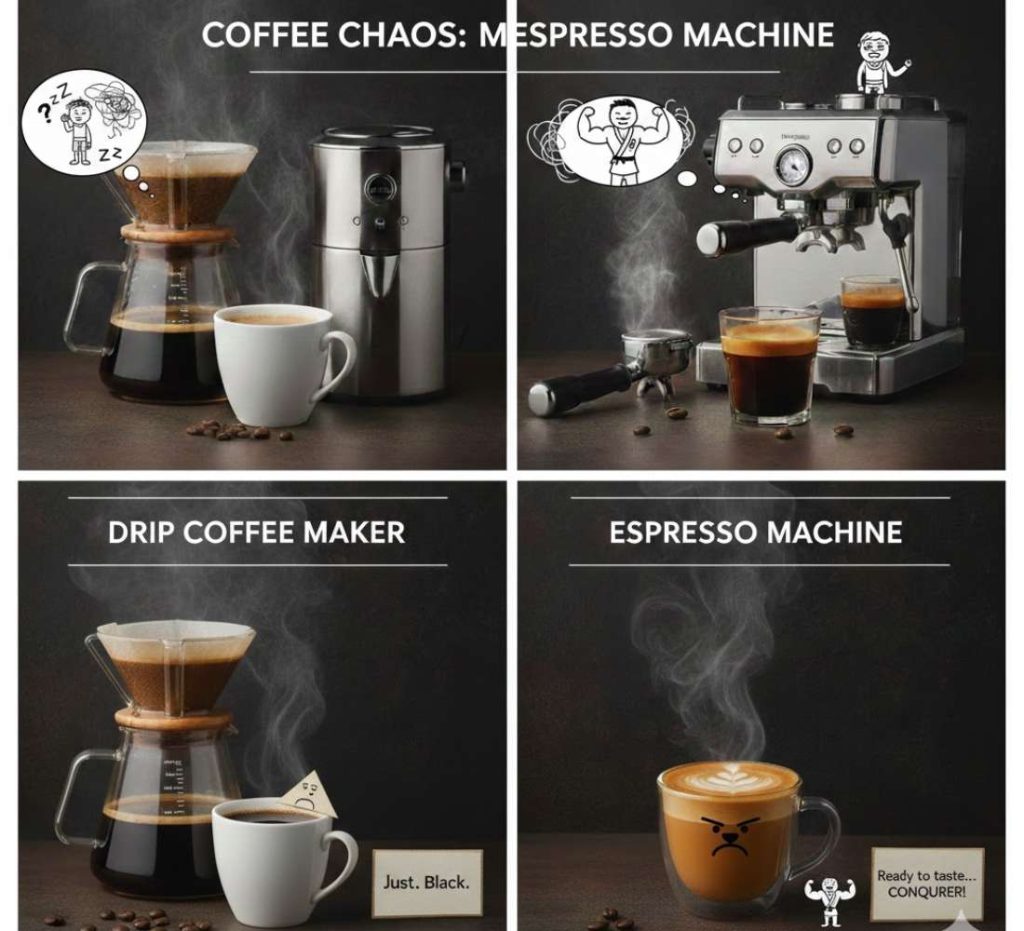
Is espresso stronger than drip coffee?
Yes, but it depends on how you define “strong.” If you mean concentration, espresso wins by a mile. It is much more intense. However, a full 12-ounce mug of drip coffee actually has more total caffeine than a single 1-ounce espresso shot. So, if you need a quick jolt, go for the shot. If you want a slow, steady wake-up, stick with the mug.
Can a drip coffee maker make espresso?
I tried this once during a desperate Monday morning, and let me tell you it doesn’t work! Drip machines rely on gravity. They cannot create the 9 bars of pressure needed to make real espresso. You might get a very strong cup of coffee if you use fine grounds, but you will never get that beautiful, thick crema.
Which machine is better for beginners?
In my experience, drip coffee makers are much easier for beginners. They are very forgiving. You can mess up the measurements a little and still get a drinkable cup. Espresso machines have a steep learning curve. My first few attempts were either sour or bitter, and it took me weeks to get a shot I was actually proud to show off.
Which is cheaper to maintain?
Drip coffee makers are almost always cheaper in the long run. Aside from the occasional descaling and buying paper filters, they don’t need much. Espresso machines have more moving parts. They require special cleaning tablets, water filters, and more frequent deep cleans. If you want a low-maintenance life, the drip route is definitely your best bet.
Conclusion: Choosing the Right Coffee Machine for Your Lifestyle
After years of brewing at my own kitchen counter, I’ve realized that the “perfect” machine doesn’t exist in a box it exists in your daily habits. I used to think I had to pick a side, but really, I just had to pick a routine. Whether I’m rushing to catch a flight or enjoying a slow, sun-drenched Saturday, my choice always comes down to what I need from that specific moment.
The Final Verdict for Your Kitchen
In my journey, the decision usually boiled down to how much “soul” I wanted to put into the process vs. how much coffee I needed in my cup. Here is the final breakdown of how to choose:
- Go for Convenience: Choose a drip coffee maker if your life is fast-paced. It’s the hero of my busy Monday mornings when I just need a reliable, hot mug without the fuss.
- Go for the Experience: Choose an espresso machine if you want a hobby. It’s my go-to when I want to play barista and enjoy the rich, sensory ritual of steaming milk and pulling shots.
- Go for Budget: The drip machine is your best friend for long-term savings.
- Go for Customization: The espresso machine is the winner if you love tweaking every detail of your drink.
At the end of the day, your coffee should make you happy, not stressed. I started small, learned what I liked, and eventually built a setup that fits my life perfectly. Take a look at your own morning routine, the answer is probably sitting right there on your counter!