Finding the best types of coffee makers can truly change how you start your morning. I’ve tested dozens of machines to find the ones that deliver a fresh, hot brew with zero stress. While a coffee maker is simply a tool to mix hot water and beans, my years of brewing have taught me that the right fit depends on your busy schedule. Read my honest guide below to find your perfect match today!
What Is a Coffee Maker?
Before we dive into the different types, let’s look at the basics. I used to think these machines were just magic boxes that turned water into “wake-up juice.” But after taking a few apart (and failing to put one back together once oops!), I realized there is some pretty clever engineering under the hood.
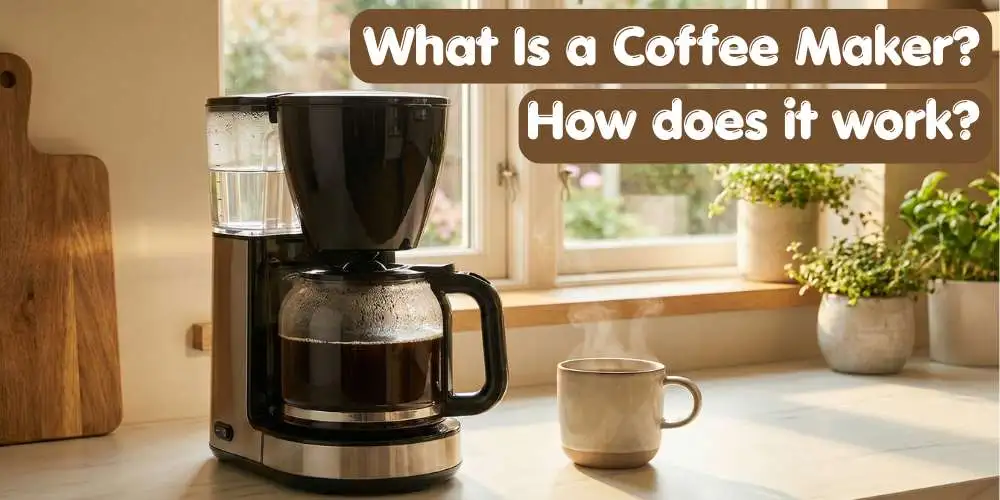
At its core, a coffee maker is a machine designed to brew coffee by mixing hot water with ground coffee. It sounds simple, but the goal is to deliver a fresh, hot cup efficiently. Whether you need a small cup for a quiet morning or a large pot for a busy office team in Dhaka, the purpose remains the same: consistency and speed.
From my experience, everyone uses them. I’ve seen students in dorms relying on basic pots to survive finals, and I’ve seen corporate teams huddled around high-tech machines during afternoon meetings. It is the heart of the kitchen.
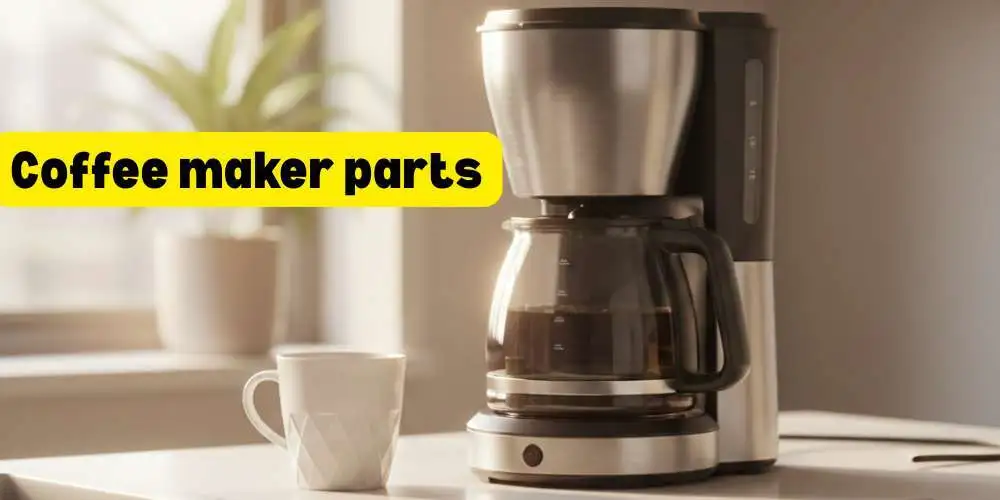
Coffee Maker Parts You Should Know
I’ve learned the hard way that knowing the parts of your machine is a lifesaver. One Monday morning, my machine stopped working. I panicked, thinking it was broken, only to realize the filter basket wasn’t clicked in right.
Here is a quick breakdown of the parts I interact with every day:
| Part Name | What It Does | My Personal Take |
| Water Reservoir | Holds the fresh water. | Always use filtered water; it makes the coffee taste so much cleaner. |
| Heating Element | Warms the water to the right heat. | You can hear it “gurgle” as it works—that’s the sound of progress! |
| Filter Basket | Holds the coffee grounds. | Make sure it’s clean, or your fresh brew will taste like yesterday’s leftovers. |
| Carafe | The pot that catches the coffee. | I prefer thermal carafes; they keep my coffee hot for hours without burning it. |
| Control Panel | The buttons and timers. | Setting the “Auto-Brew” at night feels like a gift to my future self. |
Quick Tip: Knowing these parts makes cleaning much easier. If you know how to pop out the filter basket and wipe down the water reservoir, your machine will last years longer. Trust me, a little scrub once a week prevents that weird bitter aftertaste!
It’s all about the sensory details for me. I love the smell of the steam rising as the water hits the beans. It’s a small ritual, but it’s the best part of my day.
Types of Coffee Makers
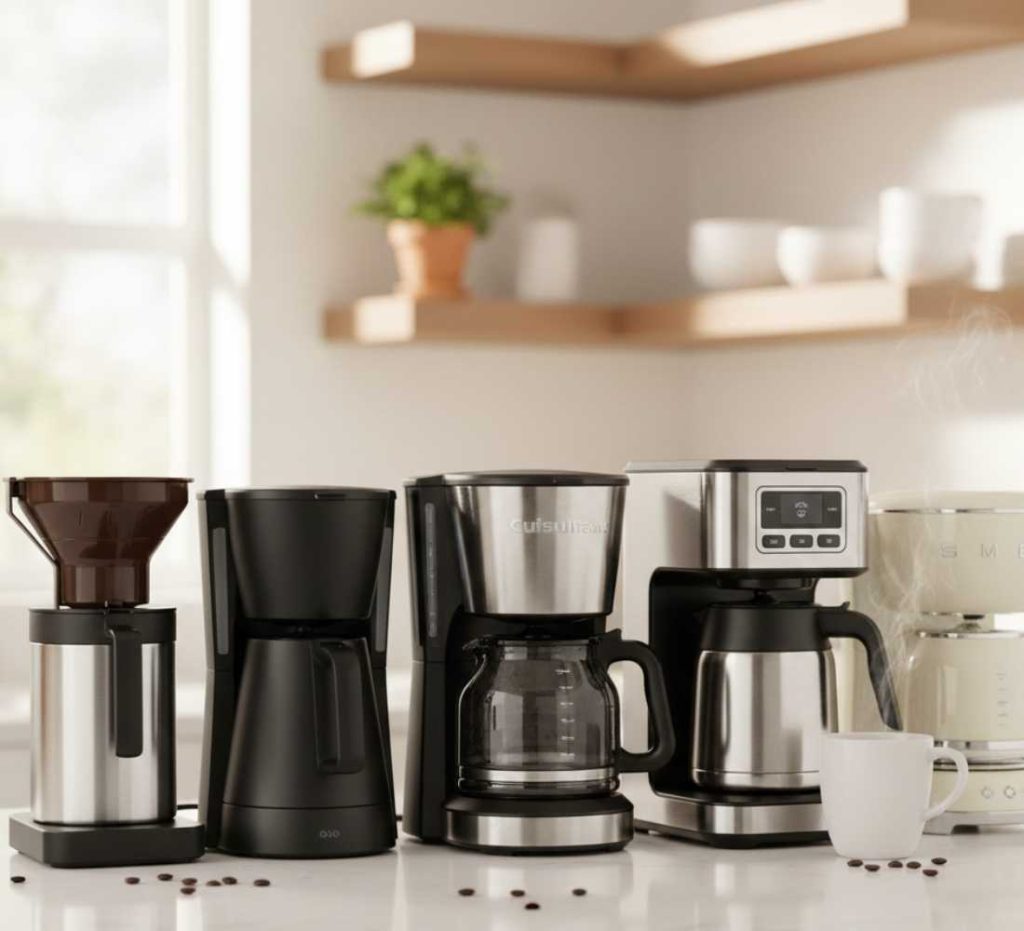
Not all coffee makers are built the same. I’ve learned that choosing one is a bit like picking a pair of shoes. You need the right fit for the occasion. Sometimes I need a quick “bolt of lightning” to get through a busy Monday in Dhaka. Other times, I want a slow, flavorful brew for a lazy Saturday morning. Depending on your taste, your budget, or how much you hit the snooze button, one type may fit you much better than others.
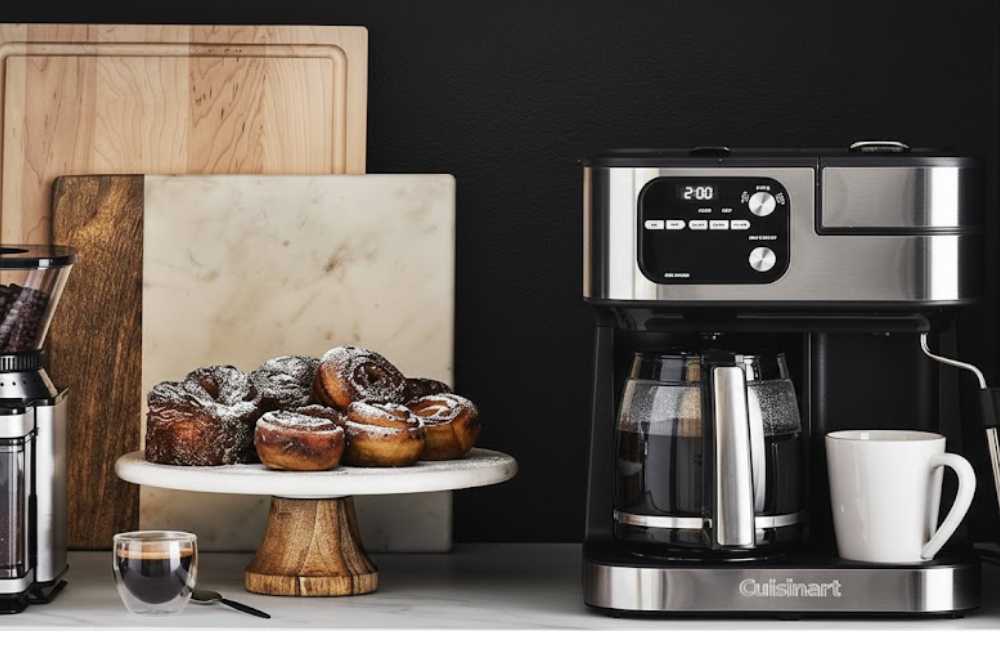
Drip Coffee Makers
These are the heavy hitters you see in almost every home and office. They are the “set it and forget it” heroes of the coffee world.
- How They Work: Hot water drips through coffee grounds into a glass or thermal carafe.
- Capacity: Usually 4 to 12 cups.
- Best For: Families or office teams who need plenty of coffee at once.
My Take: I often brew 8 cups on Monday mornings before I start work. It’s a total lifesaver! I love that I can walk away to get dressed and come back to a full pot. The flavor is mild and consistent, though it won’t give you that thick “kick” an espresso does.
Single-Serve Pod Coffee Makers
If you are always in a rush, these machines are your best friend. They use pre-packed pods or capsules to make one cup at a time.
- How They Work: You pop in a pod, press a button, and hot water shoots through it.
- Capacity: Exactly 1 cup per brew.
- Best For: People who want zero mess and a fast cup.
My Take: The aroma hits you instantly it feels like having a mini café right on my desk. I love that there are no messy grounds to scoop up. The only downside? The pods can get a bit pricey if you drink as much coffee as I do!
French Press
This is for the person who treats coffee like an art form. It uses “immersion brewing,” which means the coffee sits in the water throughout.
- How They Work: Grounds steep in hot water for a few minutes. Then, you push down a metal plunger to separate the grounds.
- Capacity: 1 to 8 cups, depending on the size of the press.
- Best For: Fans of rich, bold, and oily flavors.
My Take: Sometimes I leave it for a few extra minutes… okay, maybe five… just for that extra punch! It makes the coffee feel “thick” and full-bodied. Just a heads up: cleaning the wet grounds out of the bottom is a bit of a chore.
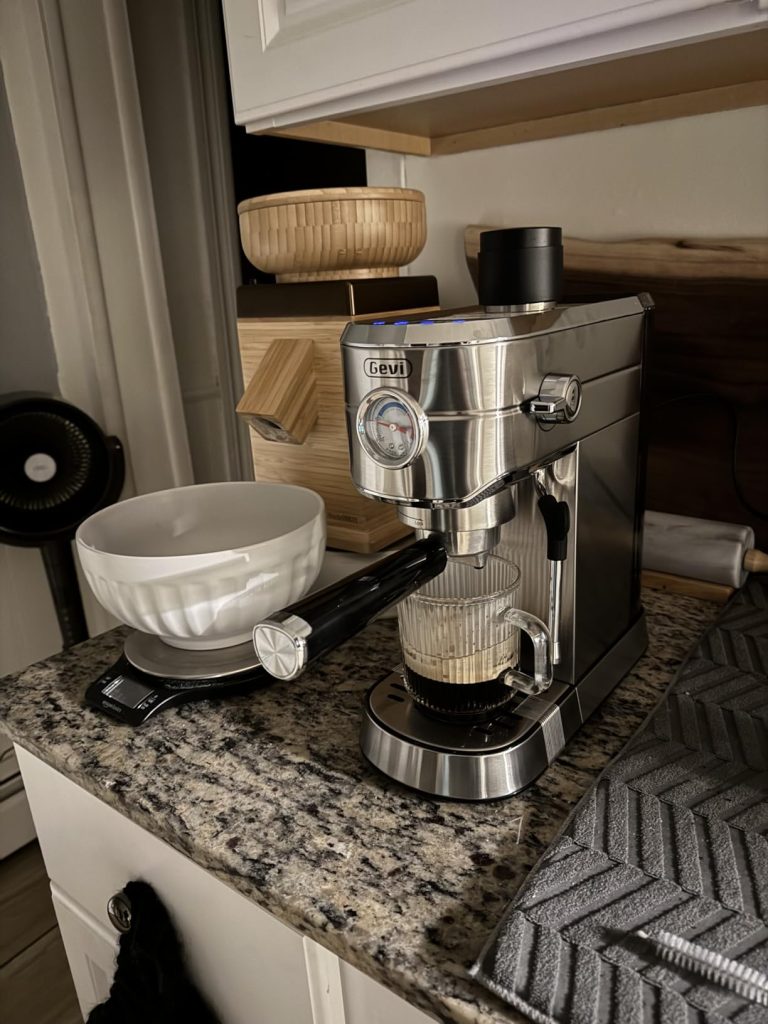
Espresso Machines
These are for the true coffee lovers who want that concentrated, “café-style” feel at home.
- How They Work: The machine forces high-pressure hot water through very fine coffee grounds.
- Capacity: Usually 1 or 2 small shots at a time.
- Best For: People who love lattes, cappuccinos, or a strong shot of energy.
My Take: It took me a while to master the “tamp” (pressing the grounds down), but the first time I saw that golden foam on top, I felt like a pro. It’s a splurge, but if you love a strong brew, it’s worth it.
Cold Brew Coffee Makers
Forget the heat! This method uses time instead of temperature to get the flavor out.
- How They Work: You steep coarse grounds in cold water for 12 to 24 hours.
- Capacity: Usually 4 to 8 cups.
- Best For: Hot summer days or people with sensitive stomachs.
My Take: On a hot July afternoon, nothing beats a glass of cold brew over ice. It is incredibly smooth and never tastes bitter. I usually prep a big batch on Sunday night so I have “liquid gold” ready for the whole week.
Percolators
These are a bit old-school, but they have a very loyal following. You’ll often see them on camping trips.
- How They Work: Boiling water cycles through the grounds over and over.
- Capacity: Small pots to very large ones.
- Best For: People who like their coffee very hot and very strong.
My Take: There is something so nostalgic about the “perking” sound on a stovetop. It reminds me of camping trips where the air is crisp and the coffee needs to be hot enough to warm your soul. It can over-boil easily, so you have to keep an eye on it!
How to Choose the Right Coffee Maker
Choosing the right coffee maker isn’t just about the price tag. It’s about how you live. I’ve owned machines that looked great but didn’t fit my morning flow. To find your perfect match, you need to think about your space, your taste, and how much work you want to do before your first sip.
Here is a quick guide to help you decide.
Think About Capacity
First, ask yourself: how much do you actually drink? If it’s just me on a quiet Tuesday morning, a small single-serve machine is perfect. It’s fast and fresh. But when I have friends over for a Sunday brunch, I always pull out the big drip machine. Brewing 10 cups at once is much better than making people wait in line for individual pods.
Ease of Use and Cleaning
I’ll be honest—I’m a bit lazy when I first wake up. If a machine has ten steps to clean, I won’t use it.
- Pods: These are “lazy-friendly.” You toss the pod, and you’re done.
- French Press: These need a bit of hands-on love. You have to scrub the mesh filter to get the oily residue off.
If you hate chores, go for something simple.
Flavor Is Key
Do you want a punch in the face or a gentle hug?
- For Bold Vibes: Go for an espresso machine. It’s strong and thick.
- For Smooth Vibes: Try a cold brew maker. It’s mellow and easy on the stomach.
I personally love a rich flavor, so I tend to reach for my French press when I have a few extra minutes to spare.
Budget and Space
Price matters, and so does your counter space.
- Drip machines are usually affordable and easy to find.
- High-end espresso machines can be a real splurge—think of them as an investment in your happiness!
Also, measure your kitchen. My first espresso machine was so tall it didn’t fit under my cabinets. I had to keep it on the dining table, which was… a choice.
Comparison of Coffee Maker Types
To make it even easier, I’ve put together this table based on my own testing and “kitchen fails.”
| Type | Capacity | Ease of Use | Flavor | Price Range |
| Drip | 4–12 cups | Easy | Mild | $20–$200 |
| Single-Serve | 1 cup | Very Easy | Moderate | $50–$250 |
| French Press | 1–8 cups | Moderate | Rich | $15–$50 |
| Espresso | 1–2 shots | Moderate-Hard | Strong | $100–$1,500 |
| Cold Brew | 4–8 cups | Easy | Smooth | $25–$100 |
| Percolator | 1–12 cups | Moderate | Strong | $30–$150 |
Picking the right machine makes every morning feel a little less like a chore and more like a treat. Take your time, think about your routine, and pick the one that makes you smile when you hear it start to brew.
Coffee Maker Maintenance Tips
A clean coffee maker makes better coffee and lasts much longer. Trust me, I’ve learned this the hard way. There was a time when my morning cup started tasting like old gym socks. I realized I had ignored my machine for way too long. Since then, I’ve stuck to a simple routine that keeps my brew fresh and my machine happy.
Descale Your Machine Monthly
Over time, minerals from your water build up inside the pipes. This is called “scaling.” If you don’t fix it, your machine might start struggling to pump water. Once a month, I run a mix of white vinegar and water through a full cycle. Then, I run two more cycles with just plain water to get rid of the vinegar scent. It’s an easy way to keep things flowing.
Clean Removable Parts After Each Brew
I make it a habit to rinse my filter basket and carafe every single morning. If you leave wet grounds in the basket until the next day, they can get moldy or just smell plain gross. A quick splash of warm, soapy water is all it takes. It keeps the oils from building up and turning your next cup bitter.
Don’t Let Coffee Sit All Day
We’ve all done it. You brew a big pot at 8 AM and find half of it still there at 4 PM. When coffee sits on a heating plate for hours, it “cooks” and gets a nasty, burnt taste. Now, if I don’t finish my pot within an hour, I pour the rest into a thermal mug or just dump it. Your taste buds will thank you!
Replace Your Water Filters
If your machine has a built-in water filter, don’t ignore it. I used to forget mine for months until I noticed my coffee felt “heavy” and dull. These filters catch chlorine and other stuff that ruins the flavor. I set a reminder on my phone to swap mine out every two months. It’s a small step that makes a huge difference in the final taste.
Maintenance Checklist for a Fresh Brew
| Task | Frequency | Why It Matters |
| Rinse Basket | Daily | Prevents mold and old oil buildup. |
| Wash Carafe | Daily | Keeps every cup tasting fresh and clean. |
| Descaling | Monthly | Removes minerals so the machine stays fast. |
| Filter Swap | Every 2 Months | Ensures the water is pure and tasteless. |
My Personal Rule: If the machine looks or smells a bit “off,” it’s time for a deep clean. A little love once a week keeps the repairman away and the great coffee flowing!
Comparison Table of Coffee Maker Types
I know that choosing can feel like a lot. To help you out, I put together this quick guide. I based this on years of my own kitchen experiments and many cups of coffee. This table shows how each machine fits into a real daily routine.
| Type | Capacity | Ease of Use | Flavor | Best For | Price Range |
| Drip | 4–12 cups | Easy | Mild | Families, offices | $20–$200 |
| Single-Serve | 1 cup | Very Easy | Moderate | Busy people | $50–$250 |
| French Press | 1–8 cups | Moderate | Rich | Flavor lovers | $15–$50 |
| Espresso | 1–2 shots | Moderate-Hard | Strong | Café-style lovers | $100–$1,500 |
| Cold Brew | 4–8 cups | Easy | Smooth | Summer coffee | $25–$100 |
| Percolator | 1–12 cups | Moderate | Strong | Nostalgic or camping | $30–$150 |
My Honest Take on These Machines
When I look at this list, I see more than just specs. I see my own life. On a busy Monday in Dhaka, the Single-Serve is my best friend. It is so fast! I just hear that quick hiss of steam, and my cup is ready. No mess, no stress.
However, if it is a slow Sunday, I always go for the French Press. I love the ritual of it. I can feel the weight of the plunger as I press down. The smell is deep and earthy. It feels like a real treat for the soul.
If you are on a tight budget, Drip machines are the way to go. They are reliable workhorses. But if you want to feel like a pro, save up for an Espresso machine. Yes, it takes work to learn, but that first perfect shot is pure joy.
Think about your own space and time. Do you want a quick cup before a meeting? Or do you want to enjoy the process? Whatever you choose, make sure it makes your mornings better.
FAQs About Coffee Makers
Even after years of brewing, I still get asked the same few things by friends and family. Here are some quick answers to the most common questions I hear while I’m busy in the kitchen.
What is a coffee maker’s capacity?
In simple terms, it is the total liquid volume the machine can brew at once. We usually talk about this in “cups.” But be careful! A “cup” in the coffee world is often only 5 ounces, not a full mug. When I first bought a 12-cup drip machine, I was shocked it only filled about 6 of my large travel mugs. Always check the actual ounces if you need to fill a big thermos for a long drive!
Can I use any coffee grind for any type of machine?
Definitely not. This was a mistake I made early on. I tried using a fine espresso grind in my French press, and it was a muddy mess.
- Fine grinds are for espresso machines where water moves fast.
- Medium grinds work best for your standard drip pot.
- Coarse grinds are a must for French press or cold brew.
Using the wrong size can make your coffee taste sour or way too bitter.
Are coffee maker parts easy to replace?
Most of the time, yes! I once cracked my glass carafe on a frantic Monday morning. I thought the whole machine was trash, but I found a replacement online in minutes. Common parts like the filter basket, carafes, and even water reservoirs are usually easy to find. Just keep your manual or note down the model number. It’s much cheaper than buying a brand-new machine!
Quick Coffee Guide
| Question | My Quick Advice |
| How much coffee? | Use 2 tablespoons for every 6 ounces of water. |
| Water temp? | Aim for just below boiling (about 93°C). |
| Storage? | Keep beans in a cool, dark place, not the fridge! |
A Final Thought: Don’t be afraid to experiment. My favorite brew came from a “failed” attempt at making cold brew that I ended up loving. Coffee is a journey, and your machine is just the tool to help you enjoy the ride.